Joint pain is often treated reactively - pain appears, movement stops and temporary relief measures are applied. But without identifying whether the cause is mechanical overload, inflammation, repetitive strain, injury or immobility, the problem often returns.
18 Feb 2026
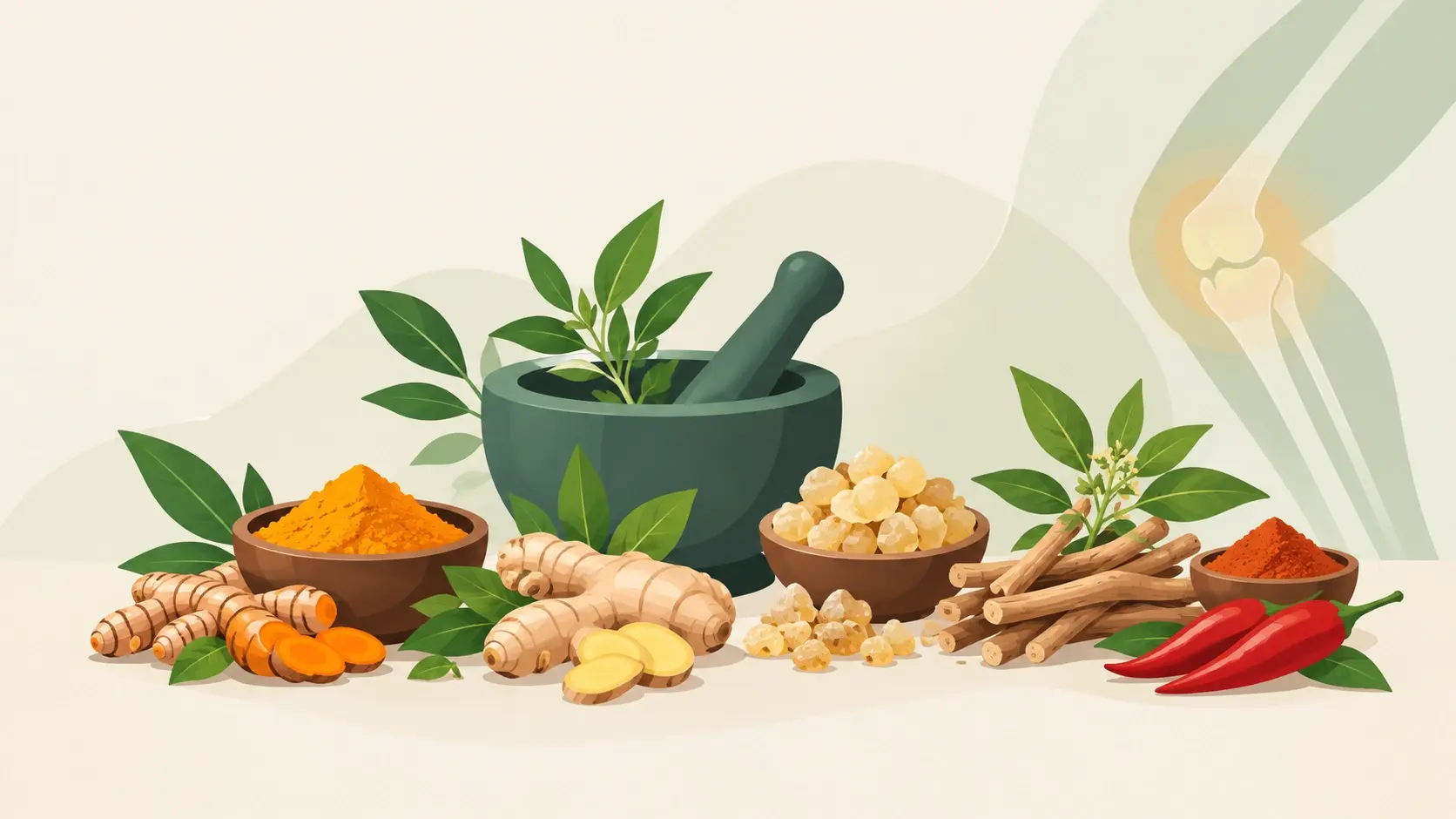
Joint pain rarely improves with a single quick fix; instead, it responds better to consistent, layered care. When combined with temperature therapy, anti-inflammatory kitchen ingredients like turmeric and ginger, warm soaks, therapeutic oil massage, proper hydration, supportive fats and regular gentle movement, pain is addressed from multiple angles.
13 Feb 2026
Exercise plays a critical role by strengthening muscles that support and stabilise joints, reducing the mechanical load placed on joint surfaces. It also helps maintain the range of motion and prevents the loss of flexibility that often accompanies joint pain.
11 Feb 2026
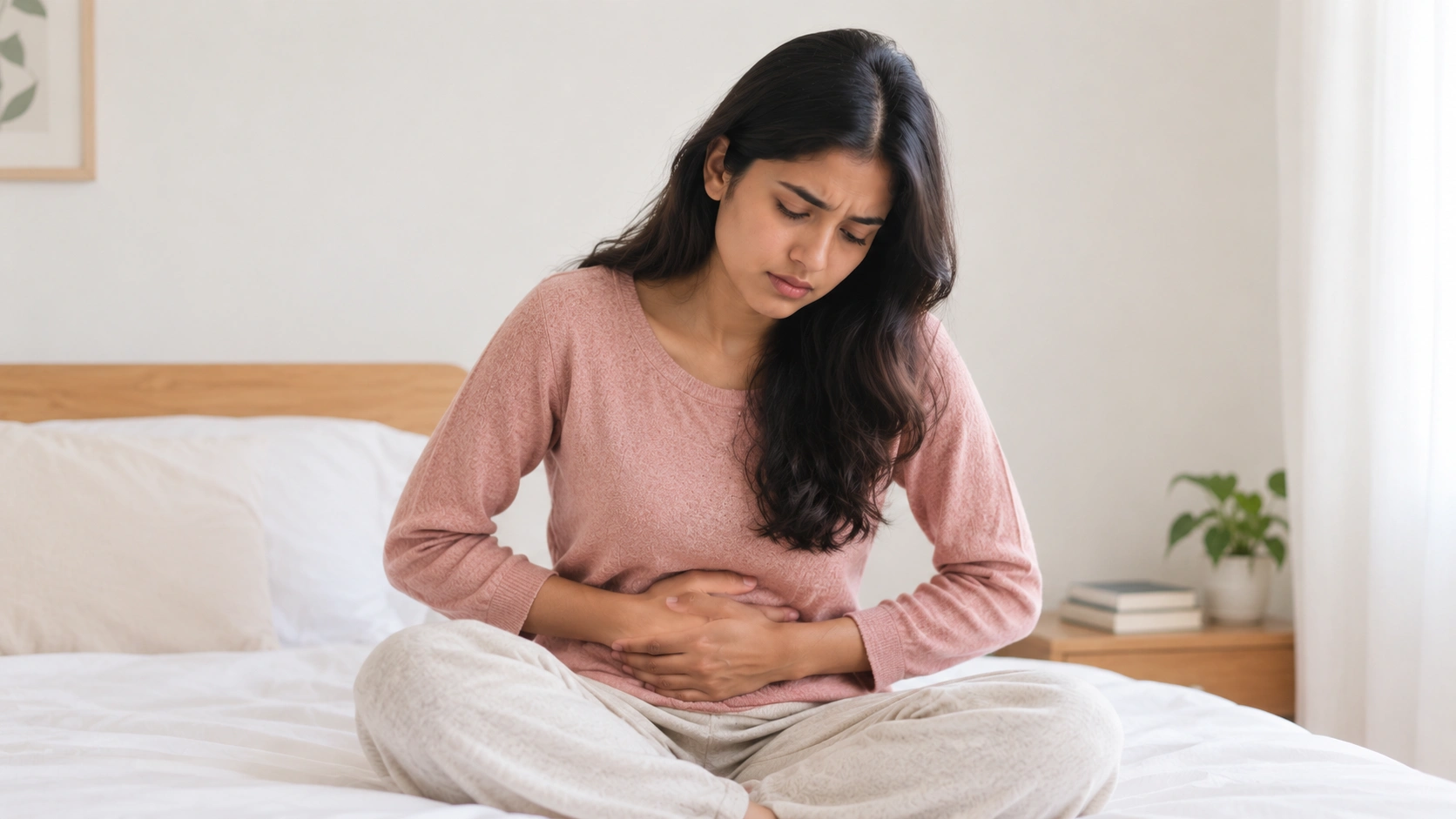
Joint pain can broadly be described as acute or chronic, and understanding this distinction helps determine when medical attention is needed. Acute joint pain develops suddenly and is often linked to injury, infection, overuse or a flare of inflammation. Chronic joint pain, on the other hand, persists for more than three months and often reflects ongoing mechanical stress, degenerative changes, unresolved inflammation or systemic conditions.
05 Feb 2026
Viral arthritis usually begins shortly after a viral illness. Joint pain may develop during recovery from a fever or a few days later. Multiple joints are often affected at the same time, especially the hands, wrists, ankles, knees and shoulders.
29 Jan 2026
A consistent, natural approach that supports joints, muscles and inflammation pathways can improve mobility and comfort without relying on artificial medications.
23 Jan 2026
One of the leading causes of arthritis in young adults is previous joint injury. Sports injuries, ligament tears, untreated fractures or repeated impact from activities like running, weight training or climbing can permanently alter joint alignment.
21 Jan 2026
While RA may not yet have a permanent cure, it is no longer defined by inevitable progression. With early diagnosis, immune-focused treatment, and holistic support, living a full, active, and symptom-controlled life with RA is a realistic and achievable outcome.
16 Jan 2026
Doctors focus on listening to the patient’s experience. They look at how often headaches occur, how long they last, what the pain feels like, and what other symptoms accompany them.
13 Jan 2026
Once a migraine is fully established, reducing intensity becomes the goal. Gentle, consistent measures work better than aggressive interventions. Slow breathing, maintaining a stable body temperature, and avoiding physical exertion can prevent further escalation of pain.
12 Jan 2026
At its core, migraine happens because the brain has a lower threshold for stress and change. When several triggers occur together, the migraine brain reacts strongly, setting off a chain of nerve signals, chemical releases, and inflammation that leads to pain.
07 Jan 2026
For the vast majority of people, migraine is not dangerous or life-threatening. It is a chronic neurological condition that can be disabling, but it does not usually cause permanent brain damage, tumours, or death.
30 Dec 2025