

How to cure PCOS permanently?



Polycystic Ovary Syndrome (PCOS) is one of the most common hormonal conditions affecting women today. Yet despite how widespread it is, many women continue to ask the same question: Can PCOS be cured permanently?
The answer is more nuanced than a simple yes or no. PCOS is considered a chronic metabolic and hormonal condition, meaning there isn’t a single treatment that permanently eliminates it. However, the encouraging news is that with the right lifestyle strategies and hormonal support, many women can significantly reduce symptoms, regulate their cycles and bring PCOS into long-term remission.
Understanding how PCOS develops is the first step toward managing it effectively.
What Causes PCOS?
PCOS typically develops due to a combination of hormonal imbalance, insulin resistance, and inflammation.
In many women with PCOS, the body does not use insulin efficiently. This leads to higher insulin levels in the bloodstream. Elevated insulin can stimulate the ovaries to produce excess androgens.
What are androgens?
Androgens are male hormones, such as testosterone, that women also produce in small amounts, but in PCOS their levels can become elevated and disrupt ovulation.
High androgen levels may interfere with ovulation and lead to symptoms such as:
Irregular or absent periods
Acne and oily skin
Excess facial or body hair
Difficulty conceiving
If left unmanaged, PCOS may also increase the risk of weight gain, type 2 diabetes and cardiovascular concerns, which makes early management important.
How is type 2 diabetes different from regular diabetes?
Type 2 diabetes occurs due to insulin resistance, while type 1 diabetes happens when the body produces little or no insulin.
When people search for a “permanent cure,” what they are often seeking is long-term control of symptoms and hormonal balance. Many women achieve this by addressing the root drivers of PCOS, particularly insulin resistance, inflammation and stress.
Improving Insulin Sensitivity
Insulin resistance is common in PCOS. Improving the body’s response to insulin can help reduce androgen levels and support more regular ovulation.
Helpful strategies include:
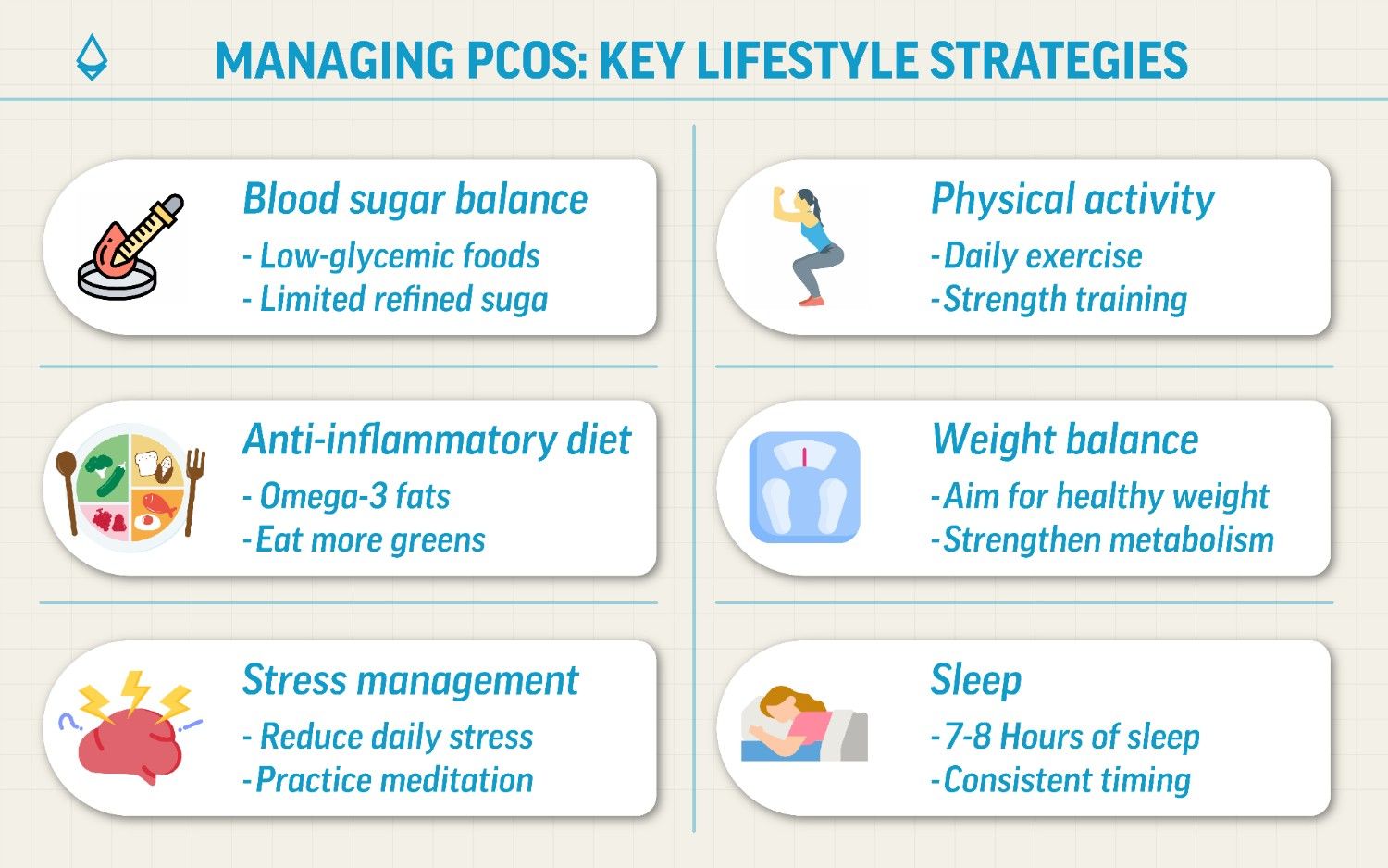
Choosing low-glycaemic carbohydrates such as whole grains, millets, lentils and legumes
Pairing carbohydrates with protein and healthy fats
Limiting refined sugars and ultra-processed foods
Maintaining consistent meal timing
What are low-glycaemic foods?
Low-glycaemic foods are foods that release sugar slowly into the bloodstream, helping prevent sudden spikes in blood glucose levels.
Even modest improvements in insulin sensitivity can help restore menstrual regularity.
Supporting Healthy Weight Balance
Not all women with PCOS are overweight, but for those who are, even 5-10% weight reduction can significantly improve hormonal balance and fertility.
Sustainable lifestyle habits work better than restrictive dieting:
Strength training to improve metabolic health
Regular walking or moderate exercise
Adequate protein intake
Prioritising sleep and recovery
These habits gradually improve insulin function and reduce androgen levels.
Reducing Inflammation
Research shows that PCOS is often associated with low-grade inflammation. Certain dietary habits can help support the body.
Helpful additions include:
Omega-3-rich foods like flaxseeds and walnuts
Anti-inflammatory spices such as turmeric and cinnamon
Fibre-rich fruits and vegetables
Fermented foods that support gut health
Reducing refined sugar, fried foods and trans fats can also help lower inflammation.
Managing Stress and Hormonal Balance
Stress is an often overlooked contributor to hormonal imbalance. Chronic stress raises cortisol levels, which can disrupt ovulation and worsen insulin resistance.
How do cortisol levels affect PCOS?
High cortisol levels from chronic stress can disrupt ovulation and worsen insulin resistance, which may aggravate PCOS symptoms.
Practices that help regulate stress include:
Yoga or breathwork
Meditation or mindfulness
Regular sunlight exposure
Getting 7-8 hours of sleep
Many women notice improvements in their cycles once stress levels are better managed.
Conclusion
PCOS presents differently in every woman. Some experience irregular periods and fertility concerns, while others struggle more with acne, hair growth, or metabolic changes.
While PCOS may not disappear completely, it can often be managed so effectively that symptoms become minimal or even absent for long periods.
Alongside lifestyle strategies, research into the endocannabinoid system suggests that cannabinoid-based medicines may support metabolic balance and stress regulation when used under appropriate medical guidance.
What is the endocannabinoid system (ECS)?
The endocannabinoid system is a network of receptors and signalling molecules in the body that helps regulate functions such as metabolism, stress, inflammation, sleep and hormonal balance.
With awareness, early intervention and consistent lifestyle habits, it is entirely possible to live a healthy and balanced life with PCOS.
Key Takeaways
- - PCOS is a chronic hormonal and metabolic condition, but its symptoms can often be effectively managed.
- - Insulin resistance, inflammation and hormonal imbalance are key drivers of PCOS.
- - Improving insulin sensitivity through diet and lifestyle can help regulate cycles and ovulation.
- - Stress management, balanced nutrition and regular exercise play a crucial role in symptom control.
- - With consistent lifestyle changes, many women can bring PCOS symptoms into long-term remission.