

What is Viral Arthritis?


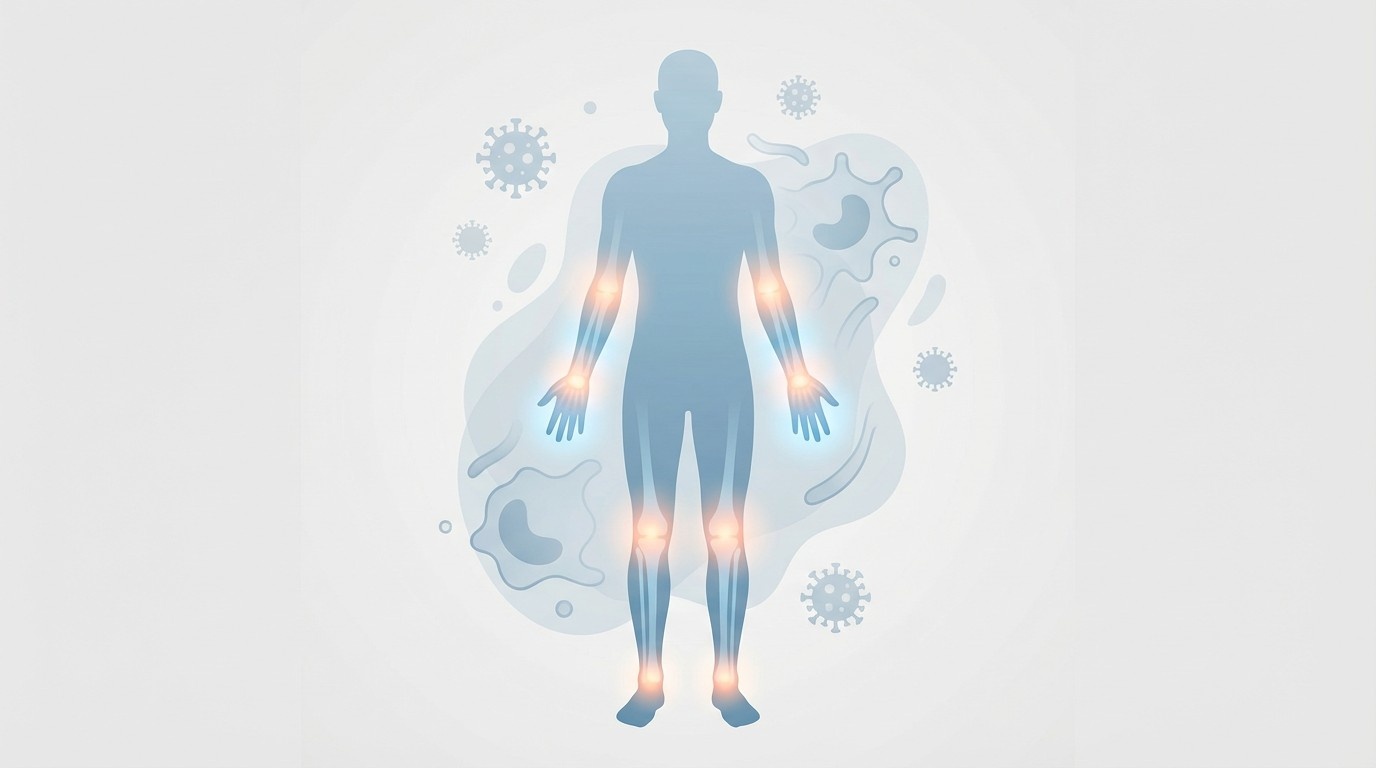
Viral arthritis is a form of joint inflammation that occurs in response to a viral infection. Unlike degenerative arthritis or autoimmune arthritis, this condition is triggered by the body’s immune reaction to a virus rather than long-term joint damage. The inflammation can affect one or multiple joints and often appears suddenly.
What is the difference between degenerative arthritis and autoimmune arthritis?
Degenerative arthritis (osteoarthritis) develops gradually due to joint wear and tear, while autoimmune arthritis (like rheumatoid arthritis) occurs when the immune system mistakenly attacks joint tissue, causing chronic inflammation.
In most cases, the virus does not directly damage the joint. Instead, immune cells release inflammatory chemicals while fighting the infection, leading to joint pain, swelling, stiffness and reduced movement.
Which Viruses Commonly Cause Viral Arthritis?
Several viruses are known to trigger arthritis-like symptoms. Common examples include Chikungunya, Dengue, Parvovirus B19, Hepatitis B and C, Rubella and post-viral syndromes following COVID-19.
In India and other tropical regions, mosquito-borne viruses are a leading cause. Chikungunya is especially known for causing intense joint pain that may persist long after the fever subsides.
Why is viral arthritis more common in tropical regions like India?
Viral arthritis is more common in tropical regions like India because mosquito-borne infections such as Dengue and Chikungunya are widespread, especially during monsoon seasons, increasing exposure to viruses that trigger post-infectious joint inflammation.
What Are the Typical Symptoms of Viral Arthritis?
Viral arthritis usually begins shortly after a viral illness. Joint pain may develop during recovery from a fever or a few days later. Multiple joints are often affected at the same time, especially the hands, wrists, ankles, knees and shoulders.
Common symptoms include swelling, warmth around the joints, morning stiffness, fatigue and lingering body aches. Some people also experience reduced grip strength and difficulty performing daily activities.
How Is Viral Arthritis Different From Rheumatoid or Osteoarthritis?
The most important difference lies in duration and progression. Viral arthritis is typically temporary and improves as the immune response settles. Rheumatoid arthritis is a chronic autoimmune disease, while osteoarthritis develops gradually due to joint degeneration.
Although viral arthritis can mimic inflammatory arthritis in the early stages, it usually does not cause permanent joint damage. However, in some individuals, especially those with genetic susceptibility, a viral infection may act as a trigger for chronic inflammatory arthritis.
What is chronic inflammatory arthritis?
Chronic inflammatory arthritis is a long-term condition where the immune system continues to cause joint inflammation even after a viral infection has resolved, leading to persistent pain, stiffness, and potential joint damage.
How Is Viral Arthritis Diagnosed?
Diagnosis is largely clinical and depends on recent history. Doctors assess whether joint symptoms followed a viral fever, rash or known exposure during an outbreak. Blood tests may show raised inflammatory markers, but autoimmune markers are often negative or transient.
Viral antibody tests may help confirm the infection. Imaging is rarely required unless symptoms persist beyond the expected recovery period.
How Long Does Viral Arthritis Last?
For most people, viral arthritis resolves within a few weeks. Joint pain gradually reduces as inflammation subsides. However, infections such as Chikungunya can lead to prolonged symptoms lasting several months.
If joint pain continues beyond three to six months, further evaluation is recommended to rule out underlying inflammatory arthritis.
Why does Chikungunya cause prolonged joint pain in viral arthritis?
Chikungunya triggers intense immune-driven inflammation in the joints, which can persist even after the infection clears, leading to joint pain that may last for months.
How Can Viral Arthritis Be Managed Naturally?
Managing viral arthritis focuses on reducing inflammation while supporting immune recovery and joint function. Rest during the acute phase helps ease joint stress, followed by gentle movement to prevent stiffness and muscle loss. A gradual return to activity supports mobility without exacerbating inflammation.
Lifestyle habits play a key role. Good sleep, hydration and anti-inflammatory nutrition help regulate immune responses. Managing stress, gut health and posture can also reduce lingering post-viral inflammation.
What comes under anti-inflammatory nutrition for viral arthritis recovery?
Anti-inflammatory nutrition includes whole foods such as fruits, vegetables, healthy fats, adequate hydration and balanced meals that help reduce inflammation and support immune healing.
Within this natural approach, cannabinoid-based medication is increasingly being explored for pain and inflammation support. By interacting with the body’s endocannabinoid system, which regulates inflammation, pain, immune balance and sleep, these therapies may help modulate inflammatory signals rather than simply masking symptoms, especially when used alongside movement and lifestyle care.
Conclusion
Viral arthritis is often temporary, but recovery depends on how well inflammation and joint health are supported early on. With timely awareness, balanced lifestyle choices and integrative management, most individuals can regain comfort, mobility and long-term joint health without lasting damage.
Key Takeaways
- - Viral arthritis is a temporary joint inflammation caused by the body’s immune response to a viral infection.
- - Mosquito-borne viruses like Chikungunya and Dengue are common triggers, especially in tropical regions like India.
- - Symptoms appear suddenly, affecting multiple joints with pain, swelling, stiffness and fatigue.
- - Most cases improve within weeks, though Chikungunya can cause joint pain that lasts for months.
- - Rest, gentle movement, anti-inflammatory nutrition, stress management support recovery and reduce inflammation.