

Understanding Joint Pain: Causes, Symptoms, Diagnosis and More


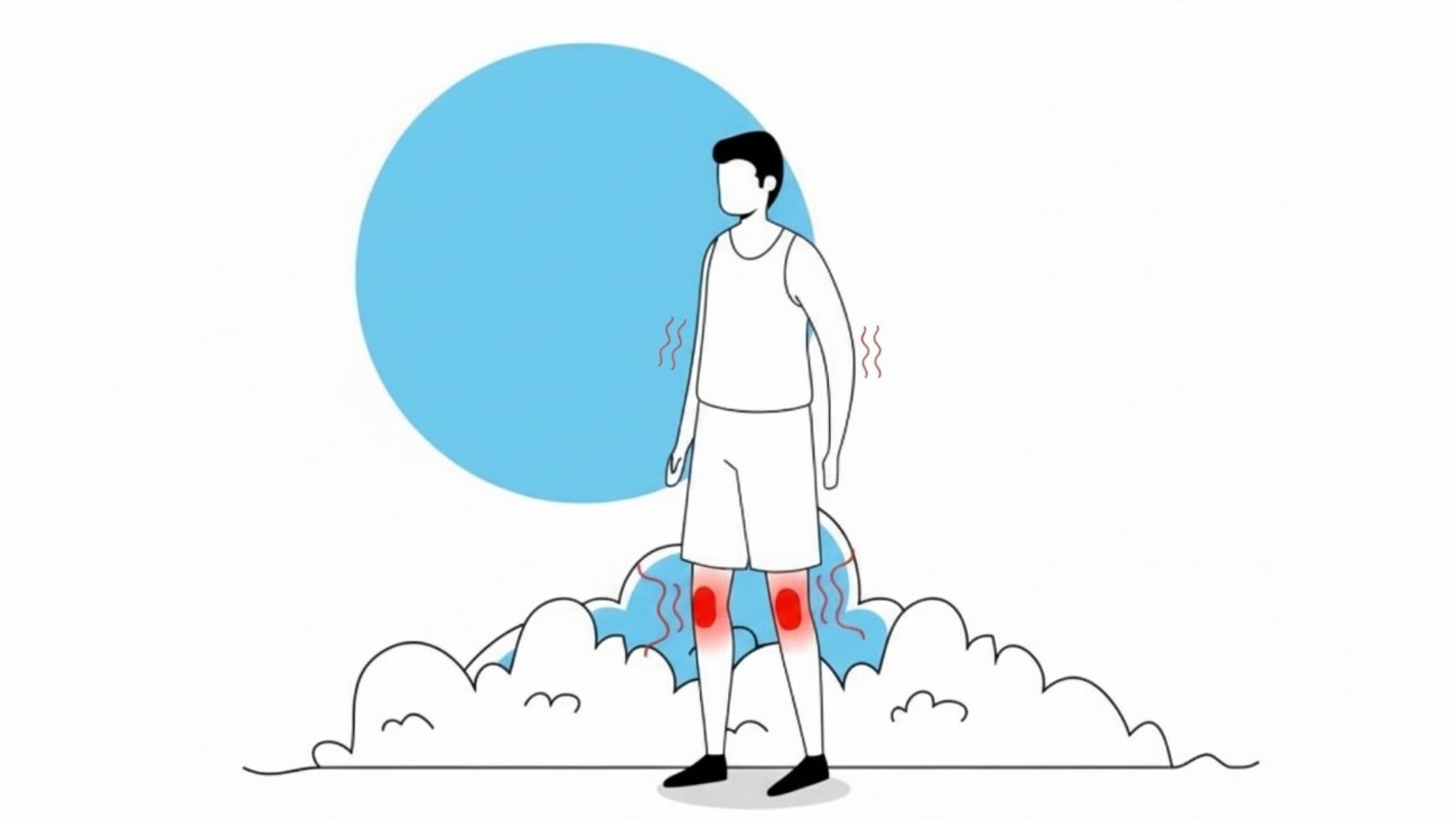
Joint pain is one of the most common physical complaints across the world, affecting people of all ages, body types and lifestyles. It may begin subtly - a mild stiffness in the morning, discomfort after prolonged sitting or an ache after physical activity - but over time, it can interfere with mobility, sleep, work and overall quality of life. Despite how common it is, joint pain is often misunderstood and oversimplified, frequently dismissed as a normal part of ageing or temporary strain.
In reality, joint pain is not a condition on its own. It is a symptom and an important one at that. It reflects changes or stress within the joint or the structures that support it. These changes may be mechanical, inflammatory, metabolic, infectious, neurological or lifestyle-related. This is why joint pain can vary widely from person to person - in severity, duration, location and associated symptoms.
What is Joint Pain?
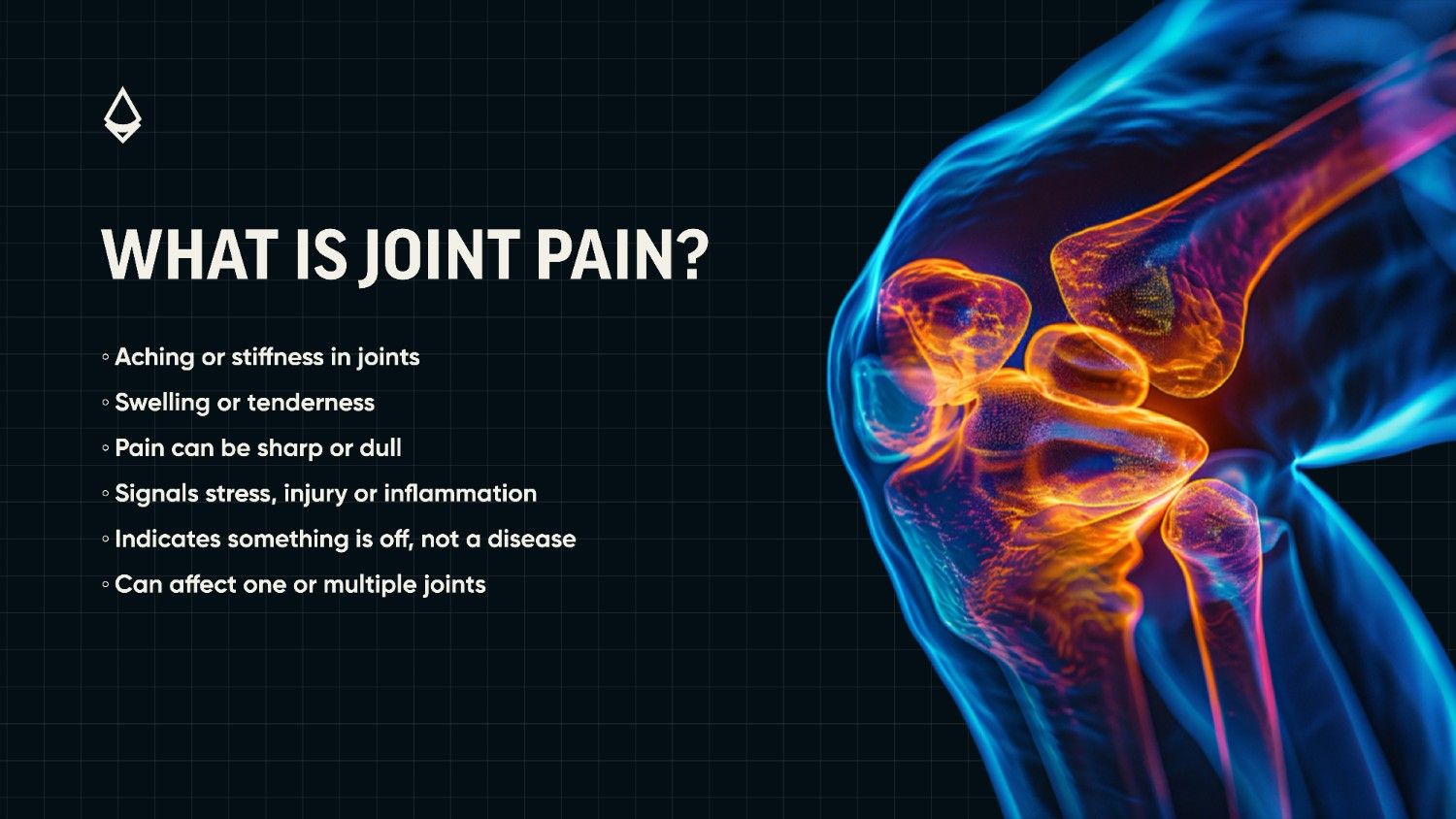
Joints are the points where two or more bones meet, allowing movement and providing structural support. Major joints include the knees, hips, shoulders, elbows, wrists, ankles and the smaller joints of the hands and feet. Healthy joints allow smooth, controlled motion without pain, supported by cartilage, lubricated by synovial fluid and stabilised by ligaments, tendons and surrounding muscles. Joint pain refers to discomfort, soreness, stiffness or inflammation that arises in or around a joint. The pain may originate from within the joint itself or from the tissues surrounding it. Importantly, joint pain is a signal - it indicates that something is interfering with the normal functioning of the joint. Identifying what that “something” is forms the foundation of effective management.
How Common is Joint Pain?
Joint pain is extremely prevalent and is one of the leading causes of physical limitation globally. While conditions that directly affect joints contribute significantly to chronic joint pain, they represent only a part of the broader picture. Joint pain also commonly results from overuse, repetitive strain, injuries, postural stress, sedentary lifestyles, metabolic imbalances, infections and prolonged inflammation.
In recent years, joint pain has been increasingly reported among younger adults, particularly in urban populations. Long hours of sitting, poor ergonomics, lack of regular movement, chronic stress and inadequate recovery have made joint pain a growing concern even among people in their 20s and 30s. This shift highlights that joint pain is not merely age-related, but closely tied to how the body is used and supported over time.
How can poor ergonomics affect joint health?
Poor ergonomics strains joints and surrounding muscles, leading to stiffness, pain and long-term wear due to improper posture and repetitive stress.
How Joints Function and Why Pain Develops?
To understand joint pain, it is important to understand how joints are designed to work. Cartilage forms a smooth, protective layer over the ends of bones, allowing them to glide against each other without friction. Synovial fluid nourishes the cartilage and reduces mechanical stress during movement. Ligaments hold bones together, tendons connect muscles to bones and muscles absorb shock and stabilise the joint during activity.
Joint pain develops when this delicate balance is disturbed. Cartilage may become stressed or damaged, synovial fluid composition may change, ligaments or tendons may be strained, muscles may weaken or tighten excessively or inflammatory chemicals may accumulate. In some cases, abnormal mechanical forces - such as poor posture, uneven loading or repetitive strain place excess stress on specific joints. Pain is the body’s way of signalling that the joint environment is under strain, injury or imbalance.
How can synovial fluid composition change?
Synovial fluid composition may change due to inflammation, injury, infection or degeneration, affecting its ability to lubricate and protect the joint.
What are the Different Types and Patterns of Joint Pain?
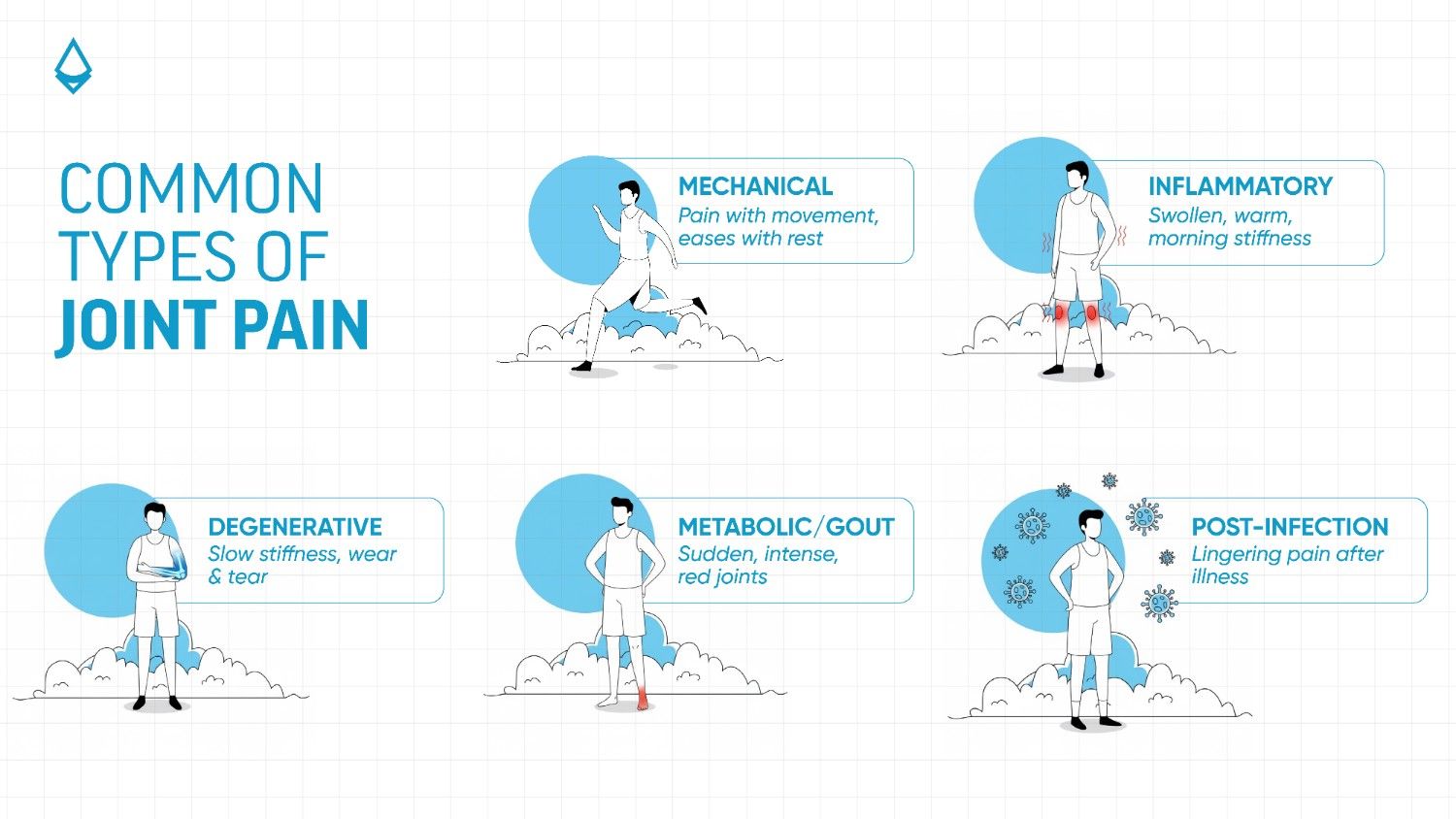
Joint pain can be classified based on how it develops and behaves. One common pattern is mechanical or load-related joint pain, which arises when joints are subjected to physical stress beyond what they are conditioned to handle. This type of pain is often activity-related, worsening with movement and improving with rest. It is commonly seen with repetitive movements, prolonged sitting, improper lifting or poor posture and may affect joints such as the knees, shoulders, elbows or lower back.
Another pattern involves degenerative changes within the joint. Over time, repeated stress, reduced tissue resilience or previous injuries can lead to gradual structural changes in joint tissues. Pain in these cases typically develops slowly and is often worse after prolonged use of the joint or at the end of the day. Stiffness and reduced flexibility are common accompanying features.
Inflammatory joint pain represents a different mechanism altogether. In these cases, inflammation within or around the joint leads to swelling, warmth, stiffness and pain that may occur even at rest. This type of pain often feels worse after periods of inactivity, such as early in the morning and may improve with gentle movement. Inflammatory joint pain may be localised to one joint or involve multiple joints simultaneously.
Joint pain can also arise from metabolic disturbances, where substances accumulate within the joint space and trigger intense pain and inflammation. These episodes often begin suddenly and can be severe, with visible swelling and redness. Infections, whether direct or post-infectious, are another important cause. Some infections directly involve the joint, while others trigger lingering joint pain even after the infection itself has resolved.
Acute vs Chronic Joint Pain: What’s the Difference?
Joint pain can broadly be described as acute or chronic, and understanding this distinction helps determine when medical attention is needed. Acute joint pain develops suddenly and is often linked to injury, infection, overuse or a flare of inflammation. It may last from a few days to a few weeks and is commonly associated with swelling, warmth, redness or difficulty bearing weight. Chronic joint pain, on the other hand, persists for more than three months and often reflects ongoing mechanical stress, degenerative changes, unresolved inflammation or systemic conditions. Chronic pain may fluctuate in intensity, gradually worsen over time and significantly affect mobility, sleep and daily functioning.
Medical consultation is important when joint pain is severe, sudden, progressively worsening, persists beyond a few weeks, interferes with daily activities or is accompanied by swelling, fever, unexplained fatigue or joint deformity. Early evaluation helps distinguish between short-term strain and conditions that require long-term management, reducing the risk of lasting joint damage.
What are the Common Symptoms that Accompany Joint Pain?
Joint pain is rarely experienced in isolation. It is often accompanied by additional symptoms that provide important clues about its cause. Pain may be dull, aching, sharp or burning, and can occur during movement, at rest or both. Stiffness is a frequent complaint, particularly after waking up or after long periods of inactivity.
Swelling around the joint may indicate inflammation or fluid accumulation, while warmth and redness suggest increased blood flow and inflammatory activity. Some people notice clicking, grinding or popping sensations during movement, which may reflect changes in joint mechanics. Reduced range of motion and a feeling of weakness or instability are also common, particularly when pain persists over time.
In certain cases, joint pain may be accompanied by more general symptoms such as fatigue, low-grade fever, disturbed sleep or mood changes. These systemic features often suggest that the joint pain is part of a broader physiological process rather than a purely local issue.
What are the Early Warning Signs for Joint Pain?
While occasional joint discomfort may resolve on its own, certain patterns warrant closer attention. Joint pain that persists for several weeks, continues to worsen or interferes with daily activities should not be ignored. Persistent swelling without a clear injury, prolonged morning stiffness lasting more than an hour, pain affecting multiple joints or joint pain accompanied by fever or unexplained fatigue are important warning signs.
Sudden, severe pain in a previously healthy joint, particularly if associated with redness and swelling, also requires prompt evaluation. These signs may indicate inflammation, infection or other systemic involvement and benefit from early assessment.
How does Joint Pain Occur Across Different Stages of Life?
Joint pain can present differently across age groups. In children and adolescents, joint pain may arise from growth-related changes, sports injuries or inflammatory conditions. Persistent or recurrent joint pain in this age group should always be evaluated rather than dismissed.
Can joint pain arise from growth-related changes?
Yes, joint pain may arise from growth-related changes, especially during childhood or adolescence, when bones grow faster than muscles and tendons, causing temporary strain and discomfort.
In young adults, joint pain is frequently linked to lifestyle factors such as prolonged sitting, poor ergonomics, repetitive strain, high-intensity exercise without adequate recovery and chronic stress. Middle-aged adults often experience joint pain due to cumulative mechanical stress, early degenerative changes and hormonal shifts that affect tissue health. In older adults, reduced muscle mass, slower tissue repair and long-term joint loading increase susceptibility to chronic joint discomfort and stiffness.
What are the Risk Factors that Increase the Likelihood of Joint Pain?
Advancing age: Natural wear and tear over time reduces tissue elasticity and joint resilience.
Genetic predisposition: Inherited joint structure and connective tissue strength can influence vulnerability to joint pain.
Excess body weight: Added load places extra mechanical stress on weight-bearing joints like the knees, hips and lower back.
Previous injuries: Past trauma or joint injuries can permanently alter joint mechanics, even after apparent healing.
Sedentary lifestyle: Lack of regular movement weakens muscles that support and stabilise the joints.
Poor posture: Incorrect alignment increases uneven pressure on joints, leading to strain over time.
Repetitive movements: Continuous, repetitive actions can cause overuse and gradual joint damage.
Inadequate sleep: Poor sleep impairs tissue repair and increases pain sensitivity.
Chronic stress: Persistent stress can heighten inflammation and amplify pain perception.
Underlying health conditions: Metabolic disorders or chronic inflammatory conditions can negatively affect joint health.
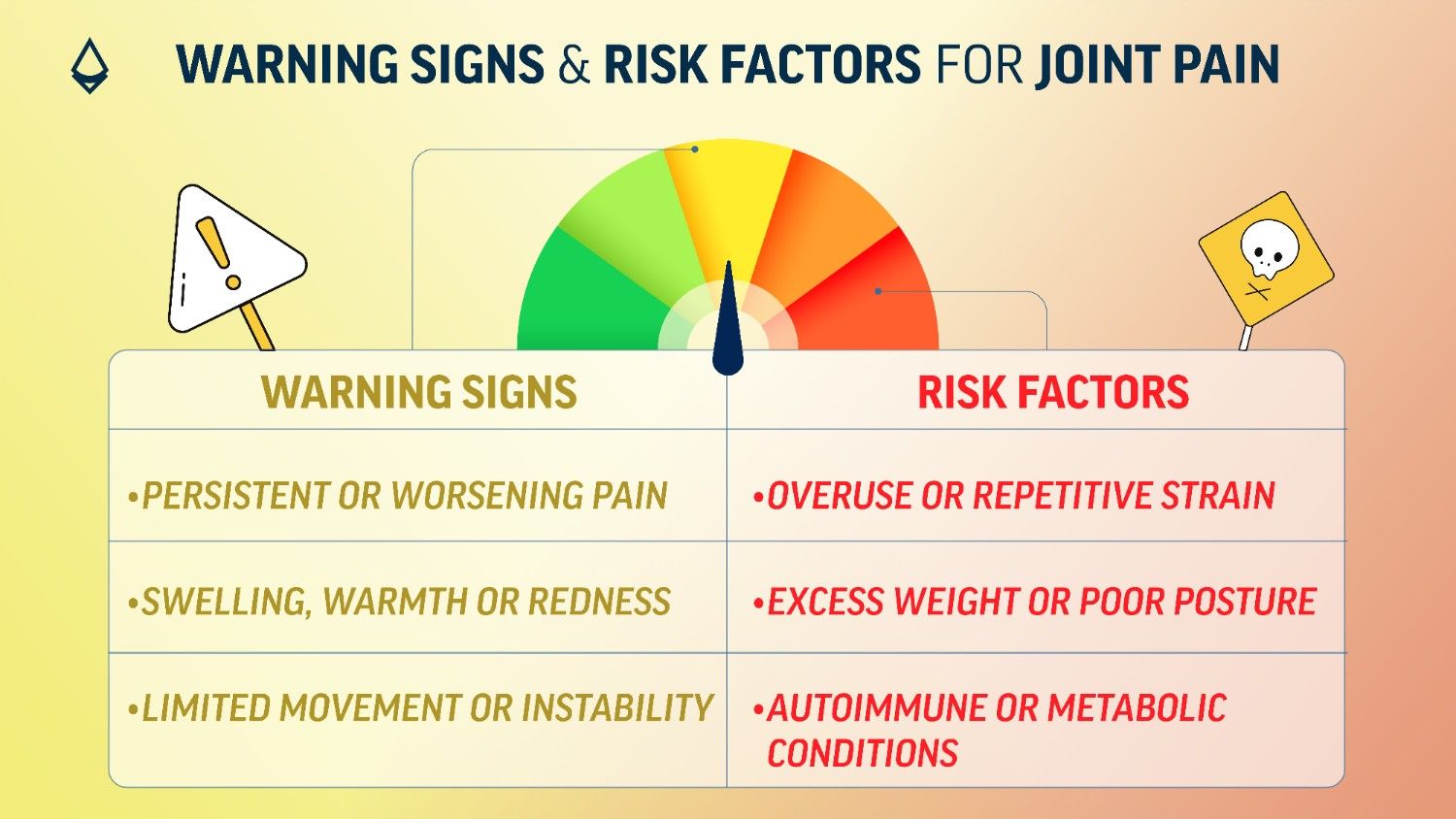
Recognising these risk factors early helps support timely preventive measures and better joint care.
How is Joint Pain Diagnosed?
Diagnosing joint pain involves understanding both the pattern of pain and its underlying cause, rather than focusing solely on symptoms. The process typically begins with a detailed clinical history, where a healthcare professional assesses when the pain started, whether it developed suddenly or gradually, how it behaves with activity or rest and whether other symptoms, such as swelling, stiffness, fatigue or fever are present. This information helps identify whether the pain is mechanical, inflammatory, metabolic or systemic in nature.
A physical examination follows, focusing on joint movement, alignment, tenderness, warmth, swelling and stability. Muscle strength, posture and movement patterns are also assessed, as joint pain often reflects issues beyond the joint itself. Depending on findings, imaging studies may be advised. X-rays help assess bone structure and joint space, while ultrasound and MRI can detect early cartilage changes, ligament or tendon involvement and soft tissue inflammation that may not be visible on standard imaging.
Blood tests are recommended when inflammatory, autoimmune or metabolic causes are suspected, as they provide insight into systemic activity affecting the joints. In selected cases, joint fluid analysis may be performed to rule out infection, crystal-related conditions or severe inflammation, ensuring accurate diagnosis and timely intervention.
What is joint fluid analysis?
Joint fluid analysis is a diagnostic test where fluid is taken from a joint to identify infection, inflammation, gout or other underlying causes of joint pain.
An orthopaedic doctor is often the first point of contact for injury-related pain, persistent mechanical symptoms or structural concerns. A rheumatologist is consulted when inflammatory or autoimmune joint conditions are suspected, especially when multiple joints are involved or when pain is accompanied by prolonged morning stiffness or systemic symptoms. A physiotherapist plays a key role in assessing movement patterns, posture and muscle balance and is often involved early in both diagnosis and recovery, particularly for activity-related or posture-driven joint pain.
Medical consultation is recommended if joint pain lasts longer than two to three weeks, worsens over time, limits movement, affects sleep or daily activities or appears suddenly with swelling, redness or fever.
What Happens When Joint Pain is Left Unaddressed?
When joint pain is ignored or inadequately managed, it can lead to progressive changes within the joint and surrounding tissues. Reduced movement due to pain can cause muscle weakness and joint stiffness, further worsening mobility. Over time, this may increase the risk of falls, injuries and long-term functional limitations.
Chronic joint pain also affects mental and emotional well-being. Persistent discomfort can disrupt sleep, limit social participation and contribute to anxiety, low mood and reduced quality of life. Addressing joint pain early helps prevent these physical and psychological consequences.
How is Joint Pain Managed and Supported?
Managing joint pain effectively usually requires a comprehensive approach rather than a single intervention. Regular, appropriate movement plays a central role in maintaining joint health. Low-impact activities help preserve mobility and circulation, while strengthening the muscles around joints reduces mechanical stress.
Lifestyle adjustments such as maintaining a healthy body weight, improving posture, prioritising sleep and managing stress can significantly reduce joint strain. Nutrition also plays an important role, as adequate hydration and diets rich in anti-inflammatory nutrients support tissue health and recovery.
Supportive therapies like heat or cold application, physiotherapy, massage and mind-body practices such as yoga and meditation may further help ease pain, stiffness and functional limitations. In some cases, integrative approaches such as cannabinoid-based medications are explored under medical supervision, as they may help support pain modulation, inflammation balance and overall comfort when used appropriately.
Medical evaluation is recommended when joint pain persists despite rest, limits daily activities, disturbs sleep or is accompanied by swelling, warmth, fever or sudden onset after injury. Early assessment improves outcomes and helps prevent long-term complications.
Final Thoughts
Joint pain is a complex and multifactorial symptom that reflects how joints respond to movement, stress, inflammation, metabolism and overall health. It should not be dismissed as an inevitable part of ageing or daily life. Understanding its causes, patterns and early warning signs empowers individuals to take timely action and make informed choices.
With appropriate movement, supportive lifestyle habits and professional care when needed, joint pain can often be managed effectively, allowing people to maintain mobility, independence and quality of life.
Key Takeaways
- - Joint pain is a symptom, not a disease and signals stress or imbalance within the joint.
- - It can affect any age group and is influenced by lifestyle, posture, movement and overall health.
- - Different pain patterns point to different causes - mechanical, inflammatory, metabolic or systemic.
- - Early diagnosis and timely care help prevent long-term joint damage and loss of mobility.
- - Effective joint pain support requires a personalised, multi-approach strategy, not a single solution.