

Role of Exercise and Yoga in Managing Joint Pain



Joint pain is often mistaken for a sign that movement should be avoided. In reality, prolonged inactivity can worsen stiffness, weaken muscles and reduce joint stability. Exercise and yoga, when practised correctly, support joint health by improving mobility, strength and circulation. They also help regulate inflammation and pain sensitivity, making them essential tools in long-term joint pain management.
Why is Movement Essential for Healthy Joints?
Joints rely on regular movement to stay healthy. Movement helps circulate synovial fluid, which nourishes cartilage and reduces friction between joint surfaces. Without sufficient movement, joints become stiff, lubrication decreases and surrounding muscles weaken, increasing stress on joint structures.
What happens to cartilage when joints are inactive?
Cartilage does not have a direct blood supply and depends on movement to receive nutrients through synovial fluid. When joints remain inactive, nourishment reduces, stiffness increases and long-term joint resilience may decline.
Regular physical activity also improves blood flow to tissues around the joints, supporting repair and recovery. Over time, movement helps maintain joint resilience and reduces the likelihood of recurring pain episodes.
How Does Exercise Support Joint Pain Management?
Exercise plays a critical role by strengthening muscles that support and stabilise joints, reducing the mechanical load placed on joint surfaces. It also helps maintain the range of motion and prevents the loss of flexibility that often accompanies joint pain.
How does muscle weakness increase joint load?
Muscles surrounding a joint help absorb shock and distribute force. When they are weak, more mechanical stress is placed directly on the joint surfaces, increasing strain and discomfort over time.
Low-impact and controlled forms of exercise are particularly beneficial, as they allow joints to move without excessive strain. When practised consistently, exercise improves functional ability and reduces pain-related fear of movement.
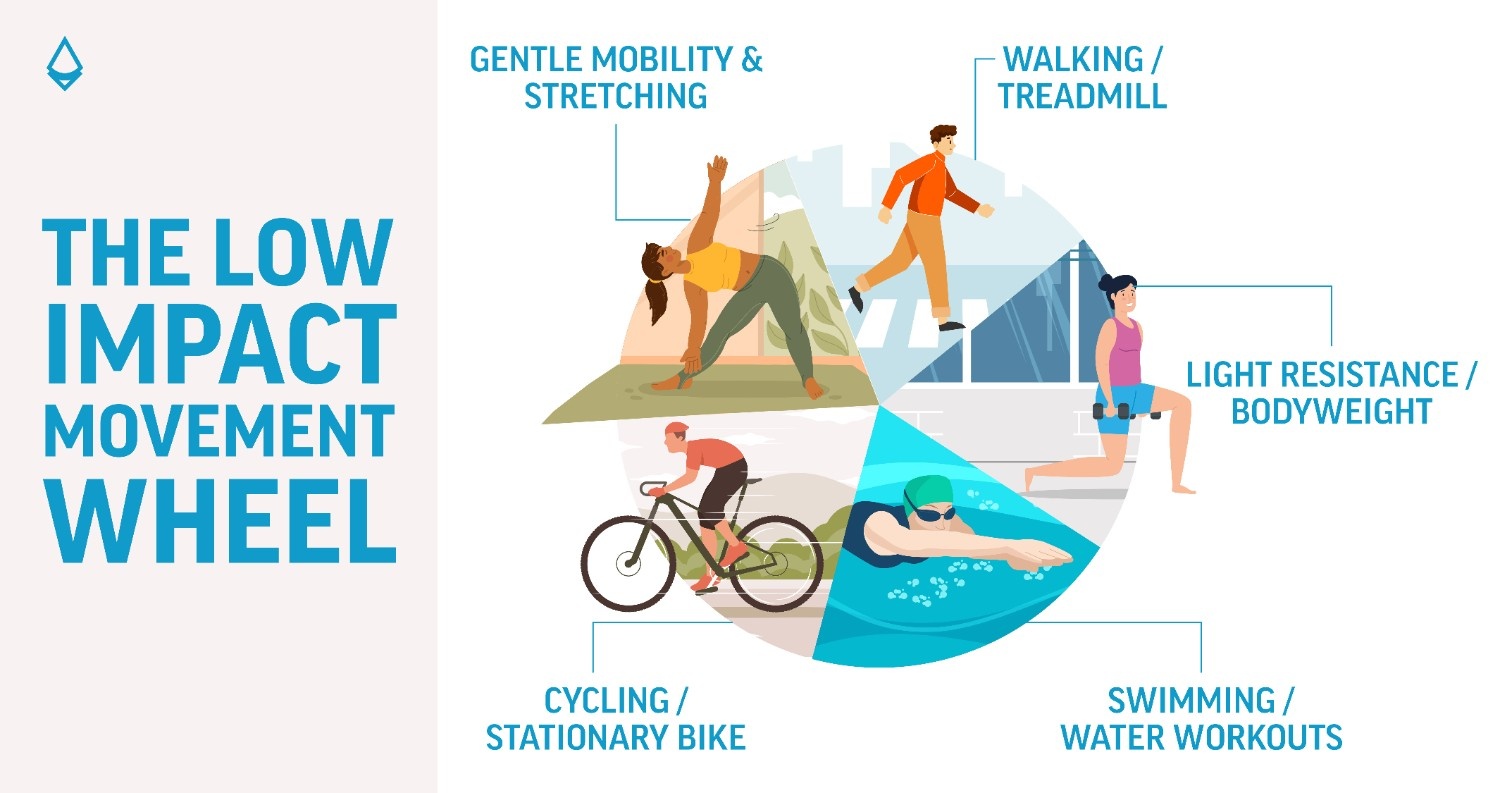
Consistency and gradual progression are more important than intensity, especially for individuals with ongoing joint discomfort.
Why are low-impact exercises preferred for joint conditions?
Low-impact activities allow joints to move and strengthen without excessive compressive force. This supports circulation and stability while reducing the risk of aggravating symptoms.
What Makes Yoga Beneficial for Joint Pain?
Yoga offers a combination of gentle movement, muscle engagement, stretching and breath control, making it uniquely suited for people with joint pain. It encourages slow, mindful movement that improves joint alignment and posture while reducing unnecessary strain.
Regular yoga practice can help reduce stiffness, improve flexibility and strengthen supporting muscles. Breath awareness and relaxation techniques also help calm the nervous system, which plays a key role in how pain is perceived and managed.
Yoga’s adaptability allows postures to be modified using props, making it accessible across age groups and varying pain levels.
What are the Key Benefits of Exercise and Yoga for Joint Health?
When integrated into daily routines, exercise and yoga offer multiple joint-specific and systemic benefits:
Improved joint lubrication and cartilage nourishment
Increased muscle strength and joint stability
Reduced stiffness and better range of motion
Enhanced balance and coordination
Better regulation of inflammation and pain sensitivity
Improved mental well-being and stress management
These benefits develop gradually and become more pronounced with regular practice.
How Should Exercise and Yoga be Adapted for Different Pain Patterns?
Not all joint pain responds the same way to movement. Exercise and yoga routines should be adapted based on whether pain is acute, chronic or activity-related.
During acute pain episodes, movements should focus on gentle range-of-motion and supported stretches to prevent stiffness without overloading the joint. In chronic joint pain, structured strengthening, mobility exercises and yoga play a central role in restoring function and reducing long-term discomfort.
What role does the nervous system play in chronic joint pain?
Chronic pain can sensitise the nervous system, making it more reactive to stimuli. As a result, even mild joint stress may feel disproportionately painful.
Movements that cause sharp pain, joint locking or prolonged worsening of symptoms should be avoided, and routines should be adjusted accordingly.
How do Exercise, Yoga and Natural Therapies Work Together for Joint Pain?
Exercise and yoga form the foundation of natural joint pain management by improving mobility, strength, circulation and body awareness. When combined with integrative approaches such as cannabinoid-based therapies, joint care becomes more holistic. Cannabinoid-based therapies interact with the body’s endocannabinoid system, which helps regulate pain perception, inflammation, mood, sleep and appetite.
By supporting this internal regulatory network, these therapies may help modulate pain signals and inflammatory responses, complementing the physical benefits of movement-based practices. When used under medical supervision, this combined approach can offer balanced, natural support for managing joint discomfort and improving overall joint health.
How Can One Choose the Right Intensity and Frequency?
Effective joint care depends on choosing the right balance between movement and recovery. Exercise and yoga should feel supportive rather than exhausting or painful. Mild discomfort during early stages may occur, but persistent or increasing pain after activity is a sign that modifications are needed.
Short, regular sessions are often more effective than infrequent, intense workouts. Professional guidance helps ensure exercises are appropriate for the individual’s condition and stage of recovery.
When is it Important to Seek Professional Guidance?
While exercise and yoga are generally safe, medical or professional guidance is recommended when joint pain is severe, sudden, associated with swelling or instability or follows an injury. Pain that persists for several weeks or interferes with daily activities also warrants evaluation.
A physiotherapist can help assess movement patterns and design safe exercise plans, while medical consultation is important when inflammation, infection or systemic causes are suspected.
How does inflammation affect joint function over time?
Persistent inflammation increases tissue sensitivity, stiffness and swelling. If ongoing, it can gradually interfere with joint mechanics and comfortable movement.
How can Exercise and Yoga Support Long-Term Joint Health?
Exercise and yoga are not quick fixes, but they are powerful tools for long-term joint care. By improving strength, flexibility, circulation and body awareness, they address both the physical and neurological aspects of joint pain.
With consistent practice and appropriate guidance, movement becomes a sustainable strategy for preserving mobility, reducing pain and maintaining quality of life across all stages of ageing.
Key Takeaways
- - Regular movement nourishes the joints and prevents stiffness that develops with inactivity.
- - Strengthening the muscles around a joint helps reduce mechanical stress and improve stability.
- - Low-impact exercises support mobility and circulation without placing excessive strain on joint surfaces.
- - Yoga benefits joint health not only by improving flexibility and alignment but also by calming the nervous system and regulating pain perception.
- - Long-term joint health depends more on consistent, appropriately guided movement than on high-intensity workouts.