

Why Migraines Happen?


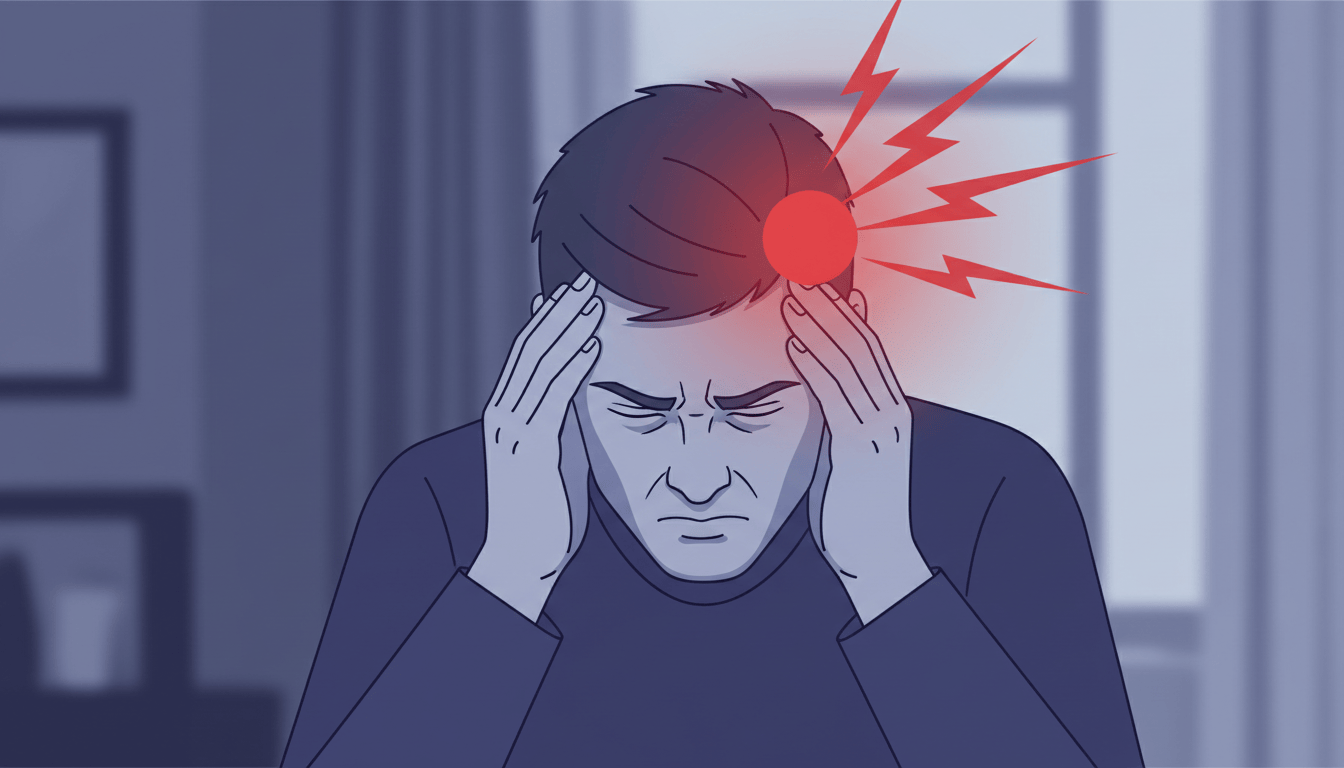
Migraine isn’t “just a bad headache.” It’s a complex neurological condition in which the brain temporarily functions differently from usual. During a migraine attack, the brain becomes unusually sensitive to light, sound, smell, movement, and even internal changes such as hormones or blood sugar levels. This heightened sensitivity explains why migraine is often accompanied by nausea, vomiting, visual disturbances, extreme fatigue and difficulty concentrating.
How are hormones linked to migraine attacks?
Changes in hormones, especially estrogen, can affect brain chemicals like serotonin and alter the brain’s sensitivity to pain triggers.
At its core, migraine happens because the brain has a lower threshold for stress and change. When several triggers occur together, the migraine brain reacts strongly, setting off a chain of nerve signals, chemical releases, and inflammation that leads to pain.
Why can several small triggers together lead to a migraine attack?
The migraine brain is highly sensitive, so factors like poor sleep, dehydration, stress, or skipped meals can collectively overload the nervous system.
Is Migraine Hereditary?
Migraines commonly run in families. Research suggests that 60-70% of people with migraine have a family history, indicating a strong genetic influence. Certain genes affect how brain cells communicate, how easily nerves become overstimulated, and how pain signals are processed.
However, genetics alone does not cause migraine. These genes make the brain more sensitive, but environmental factors such as stress, poor sleep, dehydration, hormonal fluctuations, or skipped meals often activate this vulnerability. This is why migraine can appear at different stages of life and why people in the same family may experience very different symptoms.
How Migraine Occurs?
Migraine develops in stages, showing that brain changes begin well before the headache.
Prodrome - This early phase can start hours or days before pain. Changes occur in brain regions that regulate sleep, mood, appetite, and energy. Common signs include fatigue, food cravings, irritability, neck stiffness and mental fog. These symptoms are early warnings that the brain is under strain.
Why do some people experience neck stiffness before a migraine starts?
Neck stiffness can appear during the prodrome phase because early migraine activity affects nerves and muscles connected to the head and spine.
Aura - About one-third of people with migraine experience aura. Aura is caused by a temporary wave of altered electrical activity across the brain’s surface, briefly disrupting normal signalling. This can lead to flashing lights, zig-zag patterns, blind spots, or tingling sensations. Aura is reversible and neurological, not psychological.
Attack - This is the pain phase most people recognise. The headache is often throbbing, one-sided, and worsens with movement. Nausea, vomiting, and sensitivity to light and sound are common. During this stage, pain pathways in the brain are highly active.
Postdrome - After the pain fades, the brain needs time to recover. Many people feel drained, sore, emotionally low, or mentally slow. This “migraine hangover” reflects how much energy the brain used during the attack.
The Migraine Brain: What’s Happening Biologically?
A migraine brain is naturally hyper-responsive. A key structure involved is the trigeminal nerve, which carries pain signals from the head and face to the brain. During migraine, this nerve becomes overactive and releases inflammatory chemicals around blood vessels, intensifying pain.
What is the trigeminal nerve and why is it important in migraine?
The trigeminal nerve carries pain signals from the face and head, and during migraine it becomes overactive, amplifying pain and inflammation.
Another important factor is serotonin, a brain chemical involved in pain control, mood, sleep, and digestion. Fluctuations in serotonin during migraine disrupt normal pain regulation and blood vessel behaviour, helping explain why migraine is often linked with anxiety, sleep problems, and gut symptoms.
Migraines also involve disruption in the brain’s natural pain-regulating systems, including the endocannabinoid system, which plays a key role in calming overactive nerves, controlling inflammation, and maintaining balance in brain signalling. When this system does not function optimally, pain signals can become amplified and prolonged, contributing to both the intensity and duration of migraine attacks. Cannabinoid-based medication works by interacting with this system, helping reduce nerve overactivity, modulate pain transmission, and limit inflammation.
Today, migraine is understood as a brain network disorder, not simply a blood vessel problem.
Why is migraine called a “brain network disorder”?
Because migraine affects multiple brain systems involved in pain, vision, mood, sleep, digestion and sensory processing, not just blood vessels.
What Triggers Migraine?
Triggers do not cause migraine by themselves; they overload an already sensitive brain. Common triggers include:
Weather changes, especially shifts in pressure or temperature
Skipping meals, dehydration, alcohol, fermented or aged foods, excess caffeine
Hormonal fluctuations, particularly changes in estrogen
Chronic stress or sudden stress release
Poor or irregular sleep
Bright lights, loud noise, strong smells, prolonged screen exposure
Triggers often add up, with multiple small factors pushing the brain past its tolerance limit.
The Bigger Picture
Migraines occur because the brain is wired to be more sensitive to changes. Genetics shape this sensitivity, brain chemicals and nerves drive the pain, and everyday triggers determine when attacks occur. Migraine is not a personal failing and not “just a headache.” Understanding the science behind it helps people recognise early signs, manage triggers more effectively, and make informed decisions about long-term care.
Also Read:
Key Takeaways
- - Migraine is a brain network disorder, not just a headache; it occurs because the brain becomes hyper-sensitive to light, sound, and internal changes like hormones.
- - Genetics play a major role, with 60–70% of sufferers having a family history that predisposes their brain cells to become easily overstimulated.
- - It progresses in four distinct stages, starting with "Prodrome" (mood/appetite changes) and ending with "Postdrome" (the migraine hangover), showing that brain changes happen well before the pain starts.
- - The Trigeminal nerve and Serotonin are key drivers, as their overactivity releases inflammatory chemicals and disrupts pain regulation across the head and face.
- - Triggers often act cumulatively, where small factors like skipped meals, weather changes, and stress build up until they push a sensitive brain past its tolerance limit.