

Is Migraine Curable?


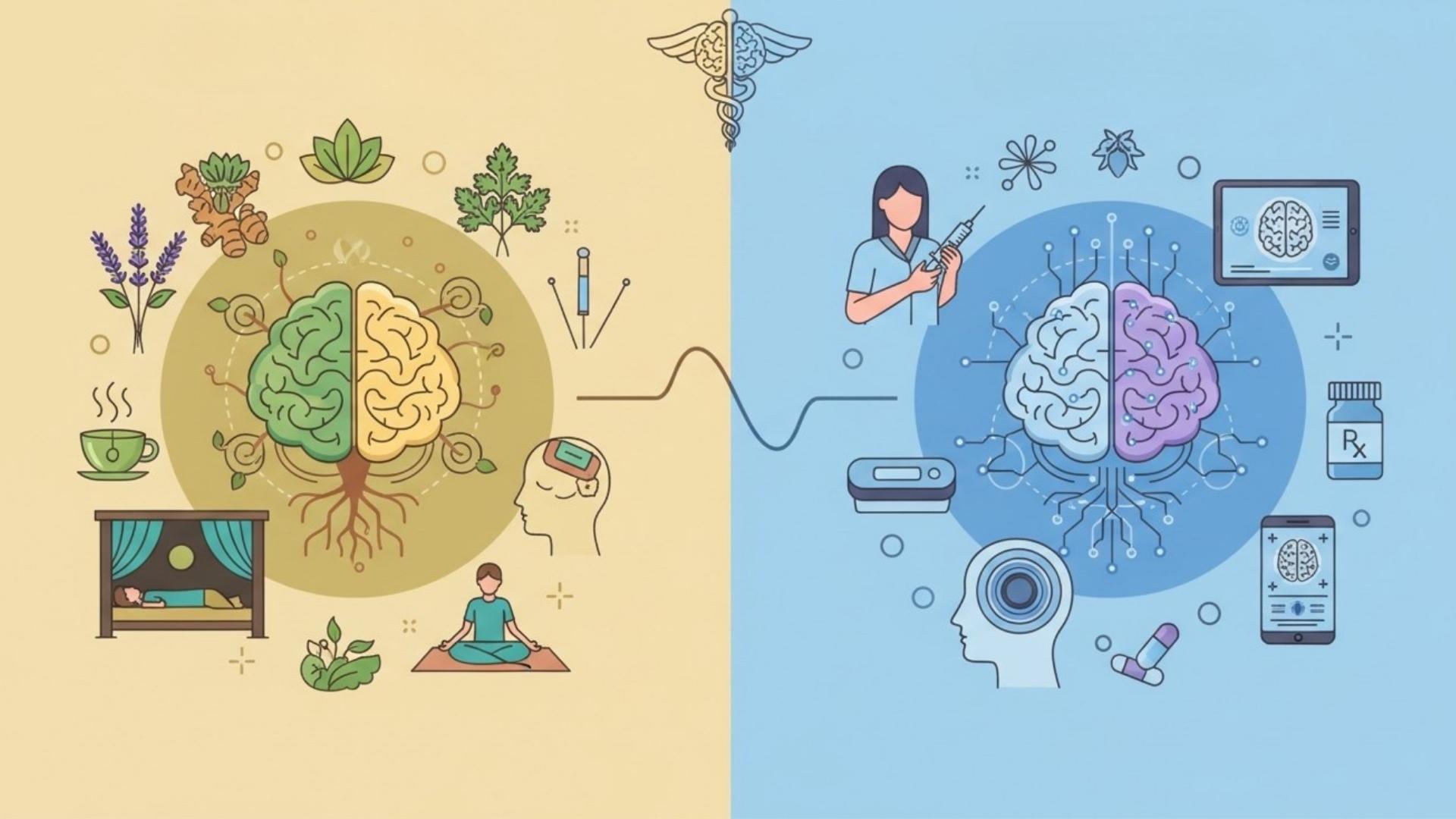
Currently, there is no absolute medical ‘cure’ for migraine because it is a genetic neurological condition. However, long-term remission is possible. With the right approach, many people reduce migraine frequency and severity to near-zero levels.
Many people search for “How to cure migraine permanently,” reflecting a widespread desire for lasting relief rather than temporary fixes. The reality, however, is more nuanced than a simple yes or no. While migraine is not considered curable in the traditional medical sense, it can often be managed so effectively that it has minimal impact on everyday life.
Understanding this distinction is key to choosing the right treatment path.
Can migraine be cured? Understanding Cure v/s Remission
A cure means the condition is eliminated and never returns. Migraines don’t fit into this category because it’s a neurological disorder with a strong genetic basis. The migraine brain is wired differently and remains sensitive to certain triggers like stress, hormonal changes, sleep disruption, or sensory overload.
Why is trigger management considered important in migraine remission?
Reducing repeated trigger exposure helps prevent the nervous system from becoming overstimulated and lowers the likelihood of attacks.
Remission, on the other hand, means symptoms significantly reduce or disappear for long periods - sometimes years. Many people experience phases where migraines become rare, mild, or stop altogether. This is why we often hear stories that sound like “I cured my migraine,” even though what’s actually happening is long-term remission.
Why does migraine treatment often require a long-term approach?
Migraine involves an overresponsive nervous system, so lasting improvement usually comes from gradually stabilising brain sensitivity over time.
So, is migraine curable? Medically speaking, no. Practically speaking, it can become manageable to the point of being almost invisible.
How to treat migraines? The 3 Pillars of Effective Management
Migraine treatment works best when it’s not dependent on a single solution. Doctors and researchers now agree that successful migraine care rests on three complementary pillars.
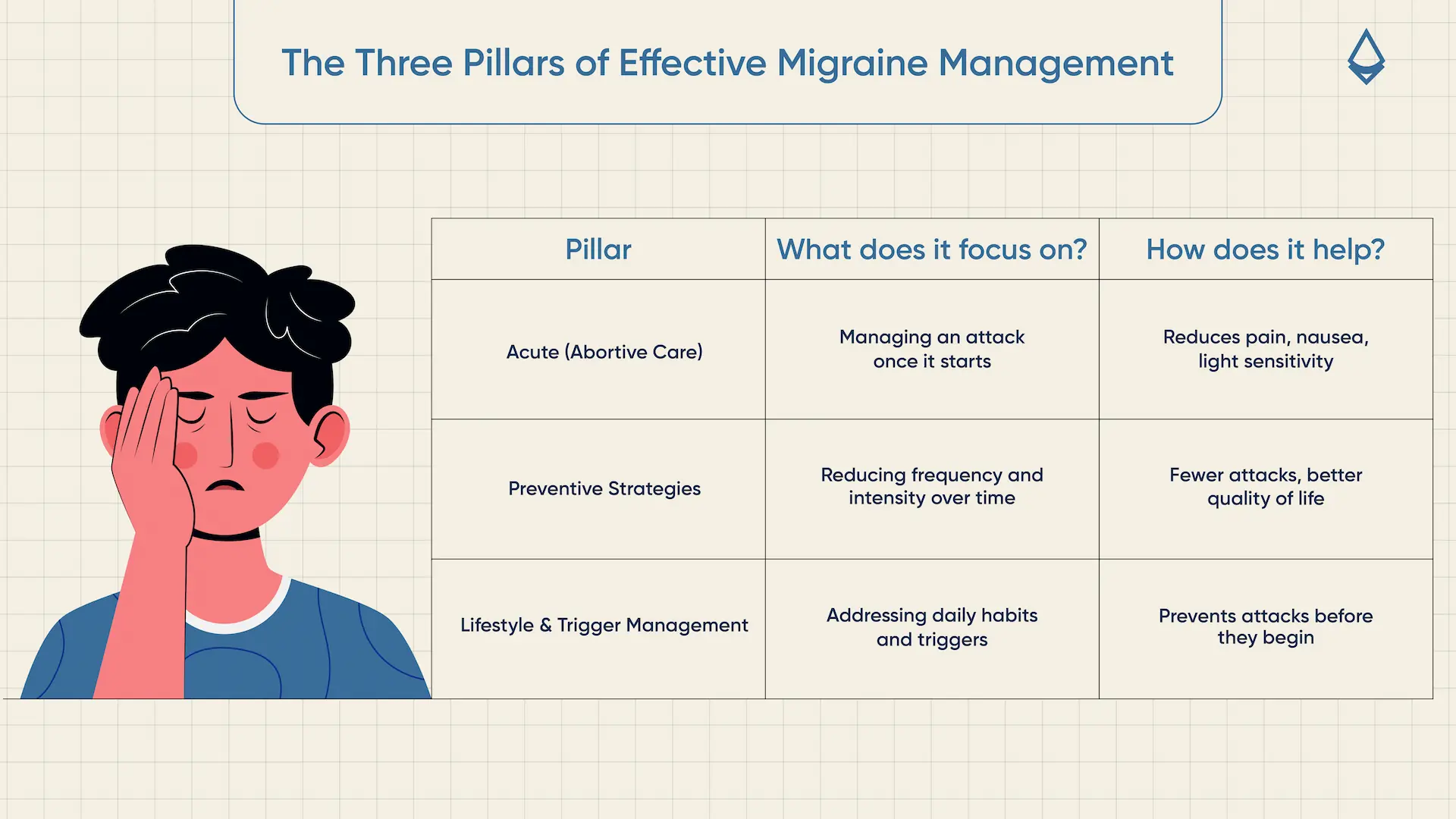
Abortive approaches aim to stop a migraine in its tracks, especially when taken early. Preventive strategies focus on calming an overactive nervous system so attacks occur less often. Lifestyle changes like regular sleep, hydration, stress management and dietary awareness form the foundation and often make the other treatments work better.
When these three pillars work together, many people see dramatic improvement.
Case experiences: “How I cured My Vestibular Migraine?”
Search results are full of personal stories titled “How I cured my vestibular migraine.” Vestibular migraine, which causes dizziness, vertigo, and balance issues, can feel especially debilitating.
What is vestibular migraine?
Vestibular migraine is a type of migraine that mainly causes dizziness, vertigo, imbalance and motion sensitivity, sometimes even without severe head pain.
In most of these cases, “cure” usually means:
Identifying and avoiding specific triggers (like screen overuse or skipped meals)
Regulating sleep and stress consistently
Following a long-term preventive plan rather than chasing symptoms
Giving the nervous system enough time to stabilise
Why can migraine symptoms improve for years and then return later?
Hormonal changes, chronic stress, ageing, sleep disruption, or lifestyle shifts can reactivate the brain’s underlying migraine sensitivity.
These experiences highlight an important truth: migraine improvement is often gradual, layered, and personal. What works for one person may not work for another, but sustained remission is a realistic goal for many.
Emerging Treatments Changing Migraine Care
Migraine management has evolved significantly in recent years, moving beyond general pain relief toward therapies that target the neurological mechanisms underlying migraine. These newer approaches aim to calm an overactive nervous system rather than simply suppress symptoms.
CGRP-based therapies represent a major advance in migraine care. By targeting a key molecule involved in migraine pain and inflammation, these treatments help reduce attack frequency and improve day-to-day functioning for many patients.
What are CGRP-based therapies in migraine treatment?
These are newer treatments that target CGRP, a molecule involved in migraine-related pain and inflammation, to help reduce attack frequency.
Cannabinoid-based medications are also gaining attention for their role in regulating pain, inflammation, sleep, and stress through the body’s endocannabinoid system, particularly in individuals who do not respond well to conventional options.
Alongside these advances, natural and integrative approaches such as trigger management, regular sleep routines, stress regulation, mindful nutrition, and nervous-system–calming practices play an important role in comprehensive, long-term migraine management.
How close is a “Permanent Cure”?
While migraine may not be permanently curable, it is highly treatable. With the right combination of medical guidance, preventive strategies, and lifestyle alignment, many individuals experience long periods of relief, with some going months or even years without a disabling attack.
Key Takeaways
- - Migraine is a genetic condition without a medical "cure," but long-term remission where symptoms disappear for years is a realistic goal.
- - The difference between cure and remission is key while the "migraine brain" remains genetically sensitive to triggers, symptoms can disappear for years with the right management.
- - Success rests on three pillars of care: using abortive tools to stop attacks early, preventive strategies to calm the nervous system, and consistent lifestyle habits as a foundation.
- - Improvement is gradual and personal, often requiring a combination of trigger identification, sleep regulation, and sustained preventive plans rather than a single "quick fix."