

Is Migraine Dangerous?


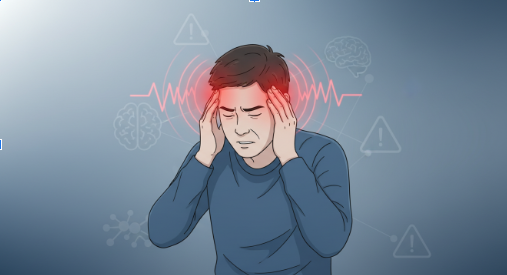
Living with migraine often brings moments of fear that go beyond pain. A sudden severe headache, visual disturbances, numbness, or dizziness can quickly trigger alarming thoughts in many of us: Is migraine dangerous? Can migraine cause death? Could this be a brain tumour?
Let’s address these common and understandable fears that may be rising.
Is Migraine Dangerous or Not?
For the vast majority of people, migraine is not dangerous or life-threatening. It is a chronic neurological condition that can be disabling, but it does not usually cause permanent brain damage, tumours, or death.
Why can migraines feel frightening even when they are not dangerous?
Migraines can temporarily affect vision, speech, balance and sensation, making symptoms feel dramatic despite being reversible in most cases.
That said, migraine symptoms can be intense and mimic serious conditions, which is why fear often arises. Understanding the difference between normal migraine symptoms and true red flags can provide much-needed reassurance.
Common Migraine Symptoms That Are Not Dangerous
Throbbing or pulsating head pain
Nausea or vomiting
Sensitivity to light, sound, or smell
Visual aura (zigzag lines, flashing lights)
Fatigue or brain fog
Mood changes
Migraine Symptoms That Require Immediate Attention
A sudden “thunderclap” headache reaching peak intensity in seconds
Headache accompanied by fever, stiff neck, confusion, or seizures
New headache after age 50
Headache following head injury
Progressive worsening with weakness
Speech difficulty
Loss of consciousness
Why are “thunderclap headaches” considered a medical emergency?
A thunderclap headache reaches maximum intensity within seconds and can signal serious conditions like bleeding in the brain.
Most migraines fall firmly into the first category, not the dangerous one.
Can Migraine Cause Death?
This is one of the most searched and feared questions. The reassuring answer is: migraine itself does not cause death.
However, there is a small, specific nuance worth understanding. People with migraine with aura have a slightly higher risk of ischemic stroke compared to the general population, especially when combined with factors like smoking, uncontrolled blood pressure, or hormonal imbalances. Even then, the absolute risk remains low, particularly in younger individuals.
Why can migraine symptoms sometimes resemble a stroke?
Migraine aura can temporarily affect vision, speech, sensation, or coordination because of altered brain signalling during an attack.
Migraine does not directly stop the heart, shut down the brain, or cause fatal outcomes. With awareness and risk-factor management, serious complications are rare.
Does Migraine Cause a Brain Tumour?
No. Migraine does not cause brain tumours.
This myth persists because brain tumours can sometimes present with headache symptoms, leading to concerns that recurring migraines may “turn into” a tumour. They do not.
The key difference lies in the pattern:
Migraines are episodic, with clear symptom patterns and triggers.
Tumor-related headaches tend to worsen steadily over time and are often accompanied by persistent neurological changes like seizures, personality changes, or progressive weakness.
Why do doctors focus on changes in migraine patterns?
A sudden change in frequency, intensity, or symptoms may indicate a different underlying condition that needs evaluation.
Imaging during migraine evaluation is often performed to rule out other causes, not because migraine leads to tumours.
Which Stage of Migraine is Dangerous?
Migraine itself moves through stages - prodrome, aura, headache, postdrome and none of these stages are inherently dangerous.
The exception is a rare condition called Status Migrainosus, where a migraine attack lasts longer than 72 hours despite usual care. This can lead to dehydration, severe exhaustion, and functional impairment, making medical intervention important.
What is Status Migrainosus?
It is a severe migraine attack that lasts longer than 72 hours and may require medical attention due to dehydration and extreme exhaustion.
Urgent care should be sought if:
A migraine lasts more than three days without relief
Pain becomes unbearable or differs from usual patterns
Vomiting prevents fluid intake
This is not about fear, but it is about timely support.
What are Some Ways to Manage Migraine?
Managing migraine doesn’t have to rely solely on medication. Lifestyle habits such as maintaining regular sleep, staying hydrated, managing stress and following a balanced diet can make a meaningful difference in reducing the frequency and severity of attacks. Gentle exercise and relaxation techniques such as journaling and meditation can also help. Additionally, cannabinoid-based medication has shown promise in migraine care. Cannabinoids like CBD and THC work together to create an entourage effect, supporting pain relief, reducing inflammation, and calming neurological sensitivity, providing an all-natural option for a holistic approach to migraine management.
Conclusion
Migraines can be frightening, painful, and deeply disruptive but it is not a silent killer, nor a precursor to brain tumours. Much of the fear around migraine comes from how dramatic its symptoms feel, especially when vision, speech, or balance is affected.
Understanding migraine as a neurological sensitivity, not a degenerative or fatal disease, helps shift the focus from fear to management. When symptoms change suddenly or break their usual pattern, medical evaluation is prudent. Otherwise, migraine is a condition to be managed, not feared.
Also Read:
Key Takeaways
- - Migraine is a neurological condition, not just a headache.
- - Most migraines are painful but not dangerous or life-threatening.
- - Sudden changes in migraine patterns should never be ignored.
- - Migraines do not cause brain tumours or permanent brain damage.
- - Early understanding and trigger management can greatly improve migraine control.