

When Menopause Starts, How Long Does It Last?


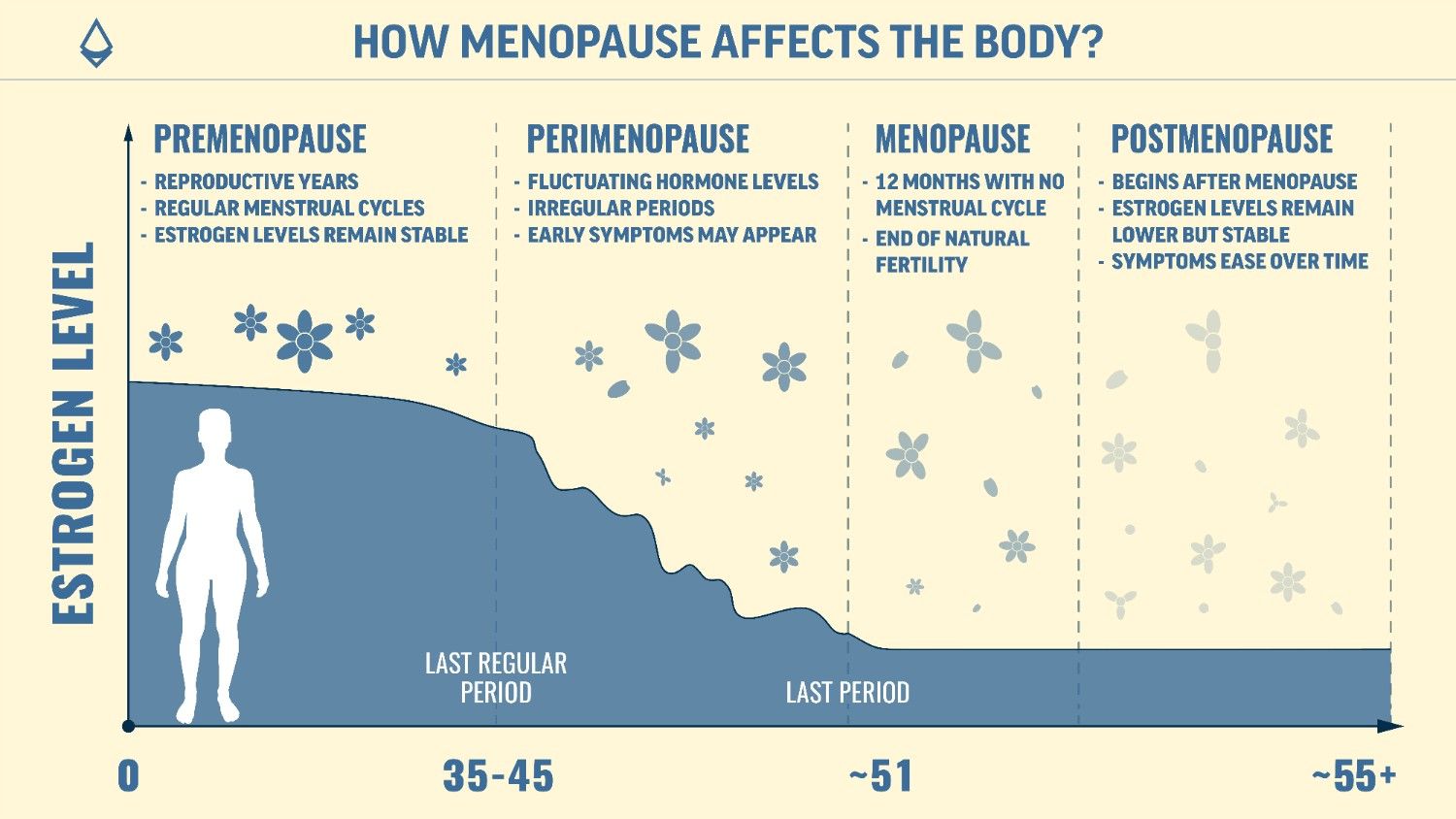
Menopause is often spoken about as a single event, but in reality, it is a gradual transition that unfolds over several years. Medically, menopause is considered official when a woman has gone 12 consecutive months without a menstrual period. This marks the point at which the ovaries stop releasing eggs and hormone levels, particularly estrogen and progesterone, decline significantly.
One of the most common questions women ask is - “When does menopause start and how long does it last?” The answer varies widely from person to person. While the average age of menopause globally is around 51 years, some women may experience it earlier or later depending on genetics, lifestyle and overall health. Understanding the typical timeline can make this transition less confusing and help women prepare for the changes ahead.
At What Age Does Menopause Start?
For most women, menopause occurs between 45 and 55 years of age. In India and many other countries, the average age ranges from 46 to 51. This is why “What age is menopause?”, “What age do women go through menopause?” and “When do women hit menopause?” are common questions.
While the national average is around 51, many ask at what age menopause starts for different ethnicities or populations. Research suggests that genetics, nutrition and environmental factors can influence the timing. For example, women with a family history of early menopause may also experience it earlier.
However, most women ask when women start menopause, but the first noticeable signs often begin much earlier during a phase called perimenopause. This stage can start in the early to mid-40s and sometimes even in the late 30s. During perimenopause, hormone levels fluctuate, leading to symptoms such as irregular periods, mood changes, sleep disturbances and hot flashes.
How Early Can Menopause Start?
In some cases, menopause can occur before the age of 40, a condition known as Primary Ovarian Insufficiency (POI). Genetic factors, autoimmune conditions, certain medical treatments, or unknown causes may be responsible. Although it is relatively rare, affecting about 1% of women, early diagnosis and guidance from healthcare professionals can help manage symptoms and protect long-term health.
What is Primary Ovarian Insufficiency (POI)?
Primary Ovarian Insufficiency (POI) is a condition where the ovaries stop functioning normally before the age of 40, leading to reduced estrogen levels and irregular or absent periods.
How Long Is Menopause?
Another major concern for women is how long menopause lasts. If we are wondering how long menopause usually lasts, the answer depends on what phase you are referring to.
Menopause itself is technically a single milestone - the point when periods have stopped for 12 months. However, the broader transition includes perimenopause, menopause and post-menopause.
Most symptoms begin during perimenopause and can continue for several years. On average, the menopausal transition lasts 7 to 10 years, though some women may experience symptoms for a shorter or longer period.
At what age does perimenopause start and how long does it last?
Perimenopause typically begins in the mid to late 40s (sometimes as early as the mid-30s) and can last around 4 to 8 years before menopause.
Common symptoms during this time include:
Hot flashes and night sweats
Mood fluctuations
Sleep disturbances
Changes in metabolism and weight
Vaginal dryness or reduced libido
The intensity of symptoms varies widely. Some women experience mild discomfort, while others find the symptoms disruptive to daily life. Lifestyle changes, nutrition, stress management and emerging natural therapies, including cannabinoid-based formulations, are being used to support sleep, mood balance and pain relief during menopause and offer supportive natural options for symptom management.
When Does Menopause End?
A common concern is whether menopause ever truly ends. The answer is both yes and no.
The challenging phase, marked by intense symptoms such as hot flashes and hormonal fluctuations, eventually subsides. Once a woman has crossed the menopause milestone, she enters post-menopause, which continues for the rest of her life.
What signals the end of menopause? Typically, symptoms such as frequent hot flashes subside, sleep patterns stabilise and energy levels become more consistent. For many women, this stage can restore balance as the body adjusts to its new hormonal baseline.
However, post-menopause is also a time when women should pay closer attention to bone health, heart health and metabolic well-being, since lower estrogen levels can increase the risk of conditions such as osteoporosis.
What changes do women experience post menopause?
Post menopause, lower estrogen leads to vaginal dryness, bone loss, slower metabolism and higher heart health risks.
Is the Menopause Timeline Different For Everyone?
While statistics provide helpful averages, every woman’s menopause timeline is unique. One of the strongest predictors of when you might experience menopause is family history. Asking our mothers or older sisters about their menopause timing can provide valuable insights into our own transition.
How does one’s family history affect menopause?
Shared genes can influence how quickly ovarian function declines and often mirror one’s mother’s age at menopause.
Other factors that may influence when one goes through menopause include:
Smoking habits
Chronic stress
Body weight and nutrition
Certain medical treatments or surgeries
Understanding our personal risk factors and recognising early symptoms can help navigate the transition with confidence.
Menopause is not simply an ending - it is a new physiological phase of life. With the right knowledge, lifestyle support and medical guidance when needed, women can manage this transition while maintaining energy, health and overall well-being.
Key Takeaways
- - Menopause is officially diagnosed after 12 months without a menstrual period.
- - Most women experience menopause between 45 and 55 years, with the average around 51.
- - Symptoms often begin earlier during perimenopause, which can start years before menopause.
- - The menopausal transition typically lasts 7-10 years, though it varies for every woman.
- - Lifestyle changes and supportive therapies can help women manage symptoms and maintain long-term health.