

What Is Pelvic Pain?


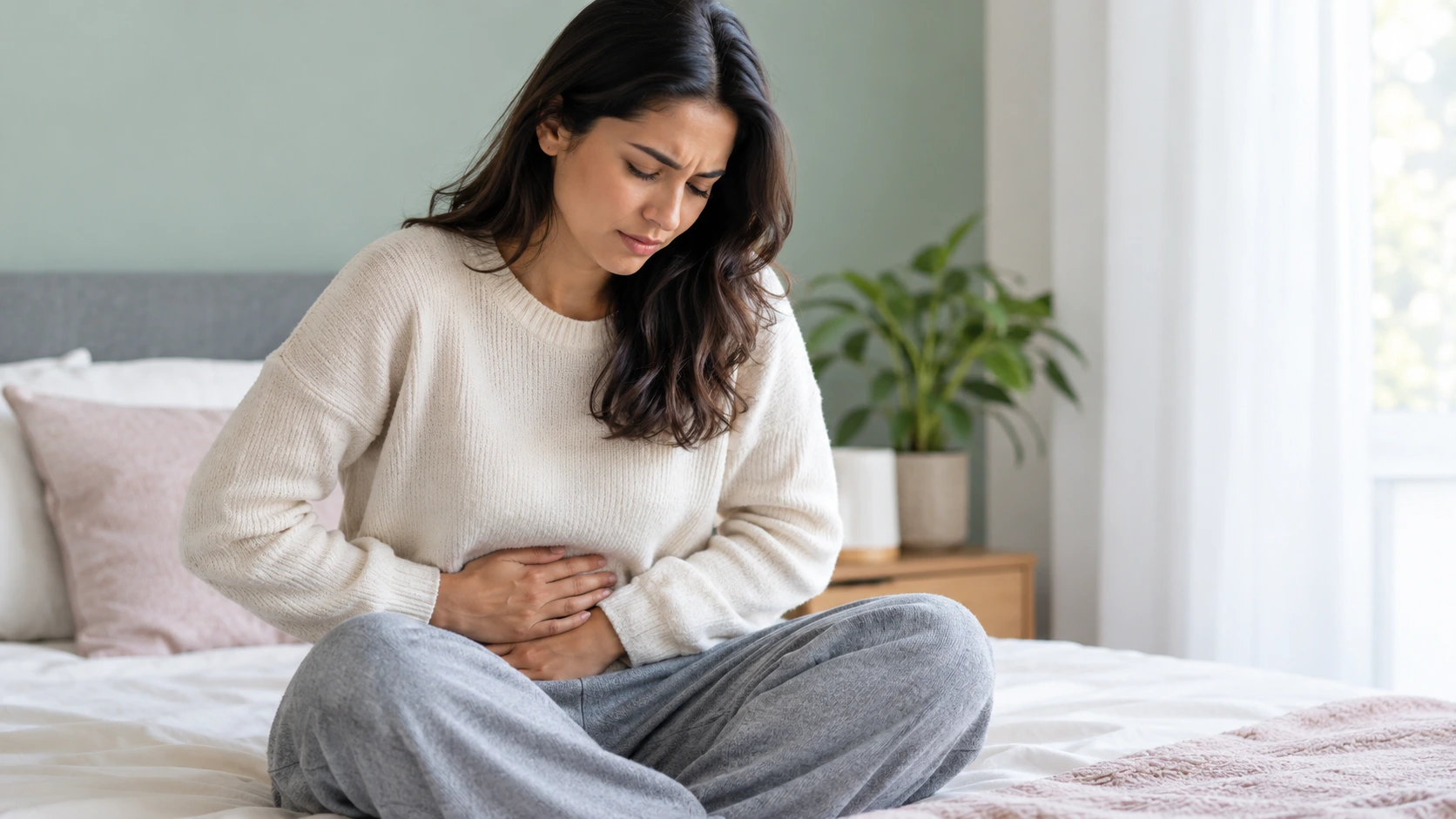
Pelvic pain is a common women's health concern that can occur at different stages of life, from adolescence to menopause. It may be associated with menstruation, reproductive health conditions, urinary tract problems, or digestive issues. While mild discomfort can sometimes be part of the menstrual cycle, persistent or severe pelvic pain should not be ignored.
Can pelvic pain occur without menstruation?
Yes. Conditions such as ovarian cysts, endometriosis, urinary tract problems and digestive disorders can cause pelvic pain outside the menstrual period.
Understanding its possible causes, accompanying symptoms and treatment options can help women seek appropriate medical care.
What Is Pelvic Pain?
Pelvic pain refers to discomfort in the lower abdomen, below the belly button and around the pelvic region. It may feel like a dull ache, pressure, cramping, burning, or sharp pain. The discomfort may remain in one area or spread to the lower back, hips, or thighs.
Pelvic pain can be acute, developing suddenly and lasting a short time, or chronic, persisting or recurring over months. Chronic pelvic pain is generally defined as pain lasting six months or longer. Its intensity and frequency vary depending on the underlying cause.
What is the difference between acute and chronic pelvic pain?
Acute pelvic pain develops suddenly, while chronic pelvic pain persists or recurs for six months or longer.
What Are the Common Causes of Pelvic Pain in Women?
Pelvic pain can originate from the reproductive organs, urinary tract, digestive system, or pelvic floor muscles. Common causes include:
Menstrual cramps (dysmenorrhea): Uterine contractions during menstruation can cause cramping in the lower abdomen, sometimes extending to the back and thighs.
Endometriosis: Tissue similar to the uterine lining grows outside the uterus, potentially causing painful periods, pain during sex and discomfort during bowel movements or urination.
Adenomyosis: Tissue similar to the uterine lining grows into the muscular wall of the uterus, sometimes causing heavy periods and significant menstrual pain.
Uterine fibroids and ovarian cysts: These may cause pelvic pressure, aching, or pain. Some ovarian cysts can rupture or cause ovarian torsion, which requires urgent medical attention.
Pelvic inflammatory disease (PID): An infection of the upper reproductive tract that may cause lower abdominal pain, unusual vaginal discharge, fever, or abnormal bleeding. Some cases have mild or no symptoms.
Urinary and digestive conditions: Urinary tract infections, bladder pain syndrome, constipation and irritable bowel syndrome can also cause pelvic discomfort.
Pelvic floor dysfunction: Tension or problems with the muscles supporting the pelvic organs can contribute to persistent pain, painful intercourse and discomfort during urination or bowel movements.
More than one condition may contribute to pelvic pain at the same time.
What Symptoms Can Accompany Pelvic Pain?
Symptoms depend on the underlying cause. Women may experience menstrual irregularities, heavy bleeding, bloating, lower back pain, painful intercourse, or discomfort while urinating or passing stools.
Other possible symptoms include frequent urination, constipation, diarrhoea, unusual vaginal discharge and pain that worsens during particular phases of the menstrual cycle.
Tracking when the pain occurs, how long it lasts and whether it coincides with menstruation, sexual activity, or bowel and bladder changes can provide useful information for diagnosis.
When Should Pelvic Pain Be a Cause for Concern?
Pelvic pain that is persistent, recurrent, worsening, or disruptive to daily activities warrants medical evaluation. Painful periods that become progressively worse or interfere with routine activities should not automatically be considered normal.
Seek emergency medical care for sudden or severe pelvic pain, especially when accompanied by fainting, dizziness, shoulder-tip pain, heavy vaginal bleeding, or difficulty breathing. These symptoms may indicate a serious condition, including a ruptured ectopic pregnancy or ovarian torsion.
Can pelvic pain affect fertility?
Certain underlying conditions, including endometriosis and pelvic inflammatory disease, may affect fertility, although pelvic pain itself does not necessarily indicate a fertility problem.
Pelvic pain accompanied by fever, vomiting, unusual vaginal discharge, or possible pregnancy also requires prompt medical assessment.
How Is Pelvic Pain Diagnosed?
Diagnosis begins with a review of symptoms, menstrual history, pregnancy possibility, medical history and medications. A clinician may perform an abdominal or pelvic examination, depending on the symptoms and the patient's consent.
Further investigations may include:
Pregnancy testing: Particularly important when pregnancy is possible.
Blood and urine tests: To investigate infection, urinary conditions, or other suspected causes.
Ultrasound: To assess the uterus, ovaries and other pelvic structures.
Additional investigations: Depending on the findings, further imaging, specialist assessment, or procedures such as laparoscopy may be considered.
Not every patient requires every test. The diagnostic approach depends on the symptoms and suspected condition.
What Are the Treatment Options for Pelvic Pain?
Treatment for pelvic pain depends on its underlying cause, severity, duration and impact on daily life. Identifying the condition responsible for the discomfort is essential to determining the appropriate course of care.
Depending on the diagnosis, management may involve monitoring conditions such as certain ovarian cysts or fibroids, or considering surgical interventions for conditions such as endometriosis when clinically indicated. Pelvic inflammatory disease requires timely medical assessment and appropriate treatment to prevent complications.
For pelvic pain associated with pelvic floor dysfunction, specialised physiotherapy may help improve muscle function and reduce discomfort. Gentle physical activity, heat therapy and relaxation techniques may also support symptom management in some cases, particularly menstrual cramps.
What is pelvic floor dysfunction?
It occurs when the muscles supporting the bladder, uterus and bowel do not relax or function properly, potentially causing pelvic pain and discomfort during urination, bowel movements or sexual activity.
Persistent or complex pelvic pain may benefit from a multidisciplinary approach involving gynaecologists, physiotherapists and pain specialists. Treatment should be tailored to individual needs, with regular follow-up to assess symptoms and response to care.
How Can Pelvic Pain Be Managed Through Lifestyle Changes and Natural Strategies?
Certain lifestyle measures may help ease pelvic discomfort, particularly menstrual cramps and support overall well-being. However, their effectiveness depends on the underlying cause.
Apply heat: A heating pad or warm compress on the lower abdomen may help relieve menstrual cramps.
Stay physically active: Gentle activities such as walking, stretching and yoga may help some women manage discomfort.
Prioritise sleep and stress management: Consistent sleep routines, relaxation exercises and breathing techniques may support coping with persistent pain.
Maintain a balanced diet: Regular, balanced meals and adequate hydration support general health, although evidence for specific diets relieving pelvic pain remains limited.
Consider pelvic floor physiotherapy: When muscle tension contributes to pelvic pain, specialised physiotherapy may help.
Track symptoms: Recording pain intensity, menstrual cycles and associated symptoms can help identify patterns and inform treatment decisions.
Alongside these strategies, cannabinoid-based medicines are being explored for pain associated with conditions such as endometriosis, but their use should be discussed with a qualified healthcare professional to assess potential benefits, risks and interactions with other medicines.
Natural strategies should complement, rather than replace, medical evaluation and treatment, particularly when pelvic pain is persistent, severe, or unexplained.
Conclusion
Pelvic pain is a symptom, not a diagnosis. Some causes are manageable with simple measures, but others require timely treatment to prevent complications or protect reproductive health.
Recognising changes in menstrual patterns, seeking care for persistent discomfort and discussing symptoms openly with a healthcare professional can support earlier diagnosis and appropriate treatment. Severe or debilitating pelvic pain should not be accepted as an inevitable part of menstruation or everyday life.
Key Takeaways
- - Pelvic pain can arise from menstrual cramps, endometriosis, ovarian cysts, urinary conditions, or digestive problems.
- - Symptoms may include lower abdominal pain, painful periods, bloating, abnormal bleeding and discomfort during urination or bowel movements.
- - Persistent, recurring, or worsening pelvic pain warrants medical evaluation to identify the underlying cause.
- - Diagnosis may involve a medical history, physical examination, pregnancy testing, laboratory tests and ultrasound, depending on the symptoms.
- - Heat therapy, gentle physical activity, adequate sleep, stress management and pelvic floor physiotherapy may help manage certain types of pelvic pain.