

What Is Menorrhagia?


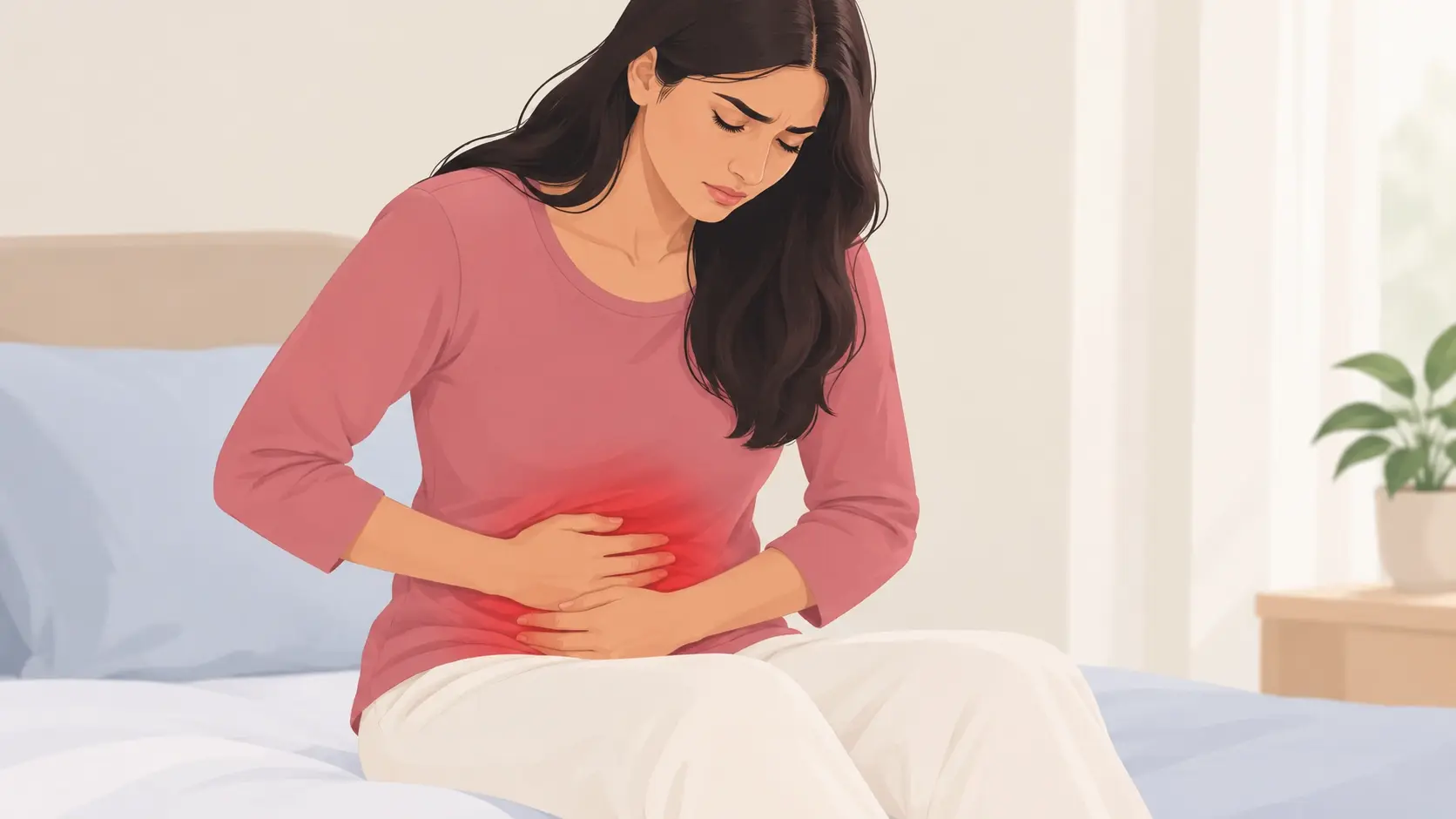
Menorrhagia is the medical term for menstrual bleeding that is unusually heavy, unusually long, or both. It is also called heavy menstrual bleeding.
Diagnosis does not depend on a specific measurement of blood loss. Clinical guidance defines heavy menstrual bleeding by its effect: bleeding that is excessive and interferes with a person’s physical, social, emotional, or work life. Periods vary from person to person, so the pattern of bleeding and its impact on daily activities are what matter most.
Are heavy periods normal during adolescence or perimenopause?
Irregular or heavy bleeding is common at both stages, but bleeding that disrupts daily life should still be assessed.
What Are the Symptoms of Menorrhagia?
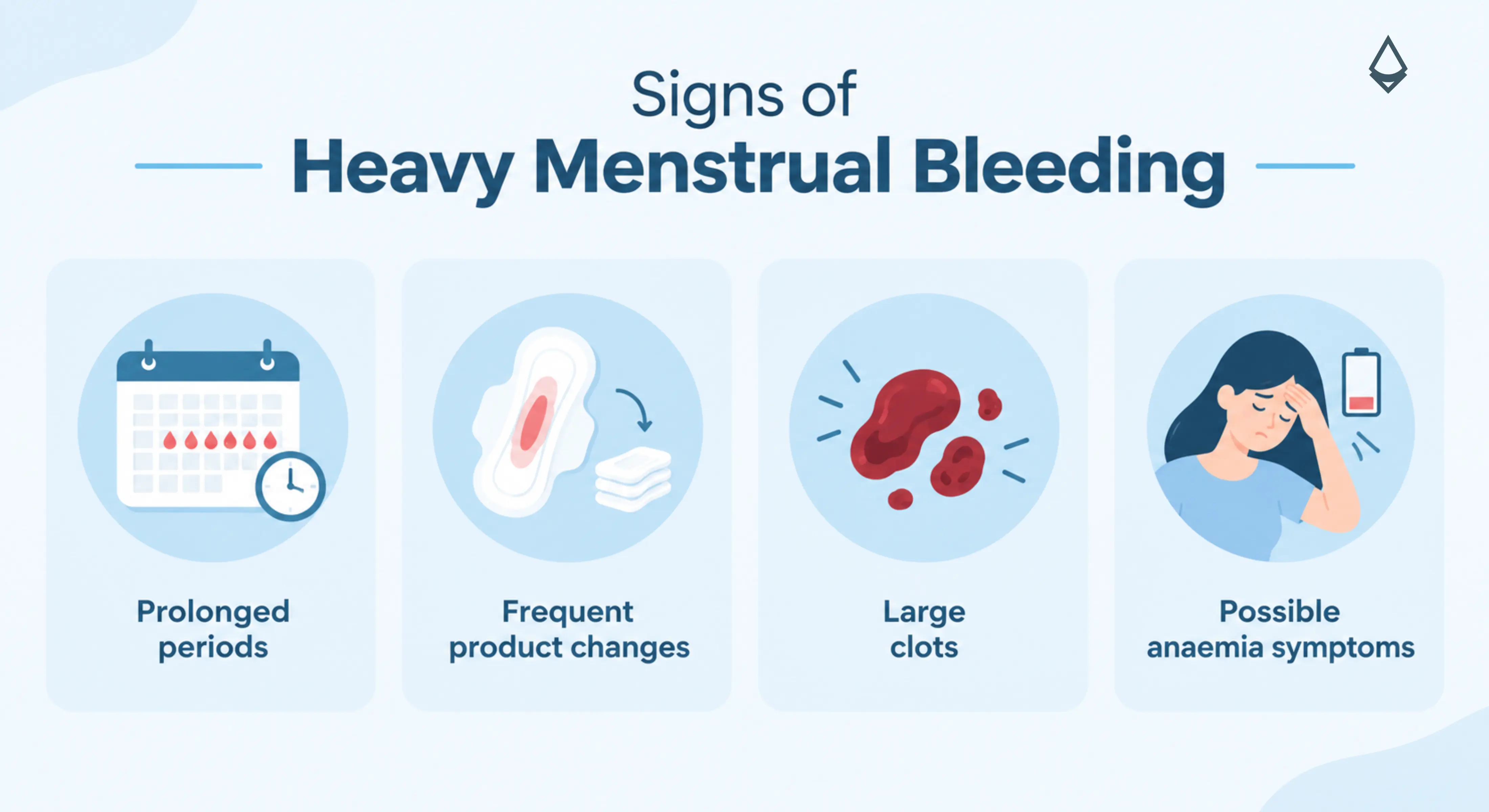
Common indicators of heavy menstrual bleeding include:
Soaking through a pad or tampon every hour or two for several hours
Needing to change protection during the night
Using double protection, such as a tampon with a pad
Bleeding for more than seven days
Passing blood clots larger than about 2.5 cm (roughly the size of a coin)
Avoiding work, exercise, or social activities because of bleeding
Ongoing blood loss can also lead to iron-deficiency anaemia, a condition in which the body lacks enough red blood cells to carry oxygen. Signs include tiredness, pale skin, headaches and shortness of breath.
Does every heavy period mean a serious condition?
No. Many causes are manageable, but persistent heavy bleeding should still be evaluated.
What Causes Menorrhagia?
In many cases, doctors find no clear cause. When a cause is identified, it often falls into one of the following groups:
Hormonal imbalance: Irregular ovulation, polyendocrine metabolic ovarian syndrome (PMOS), thyroid disorders and perimenopause can cause the uterine lining to build up and shed heavily.
Uterine fibroids: Non-cancerous growths in the muscle wall of the uterus.
Endometrial polyps: Small growths on the uterine lining.
Adenomyosis: A condition in which the uterine lining grows into the uterine muscle.
Bleeding disorders: Conditions such as von Willebrand disease, which affect blood clotting.
Medicines: Anticoagulants (blood thinners) and, in some people, copper intrauterine devices.
Pregnancy-related causes: Miscarriage or ectopic pregnancy can cause heavy bleeding that resembles a period.
What is von Willebrand disease?
Von Willebrand disease is an inherited bleeding disorder in which the blood does not clot properly, potentially causing prolonged or unusually heavy menstrual bleeding.
Less commonly, thickening of the uterine lining (endometrial hyperplasia) or cancer of the uterus is responsible, which is one reason persistent changes in bleeding should be assessed. These are possible causes only and each case needs individual evaluation.
What is endometrial hyperplasia?
Endometrial hyperplasia is the abnormal thickening of the uterine lining, which can cause heavy or irregular menstrual bleeding.
How Is Menorrhagia Diagnosed?
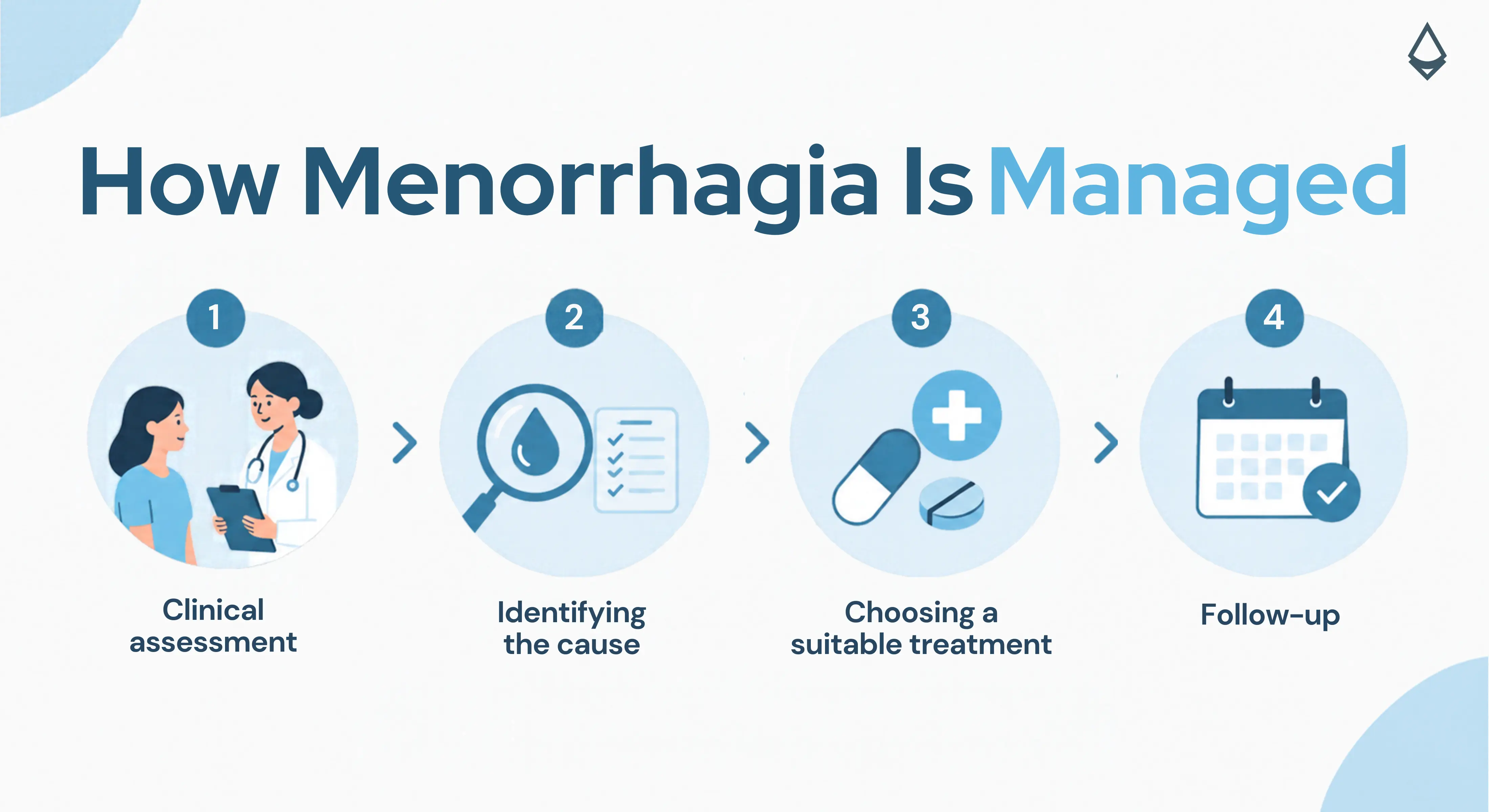
Assessment usually starts with a discussion of menstrual patterns, general medical history, family history of bleeding problems and current medicines. A physical or pelvic examination may follow.
Further investigations are chosen based on symptoms, age and medical history. They may include:
Blood tests: A full blood count checks for anaemia and iron studies check for iron deficiency. Clotting tests or thyroid tests are used when indicated.
Pregnancy test: Used where pregnancy is possible.
Ultrasound scan: Looks for fibroids, polyps, or other structural changes.
Further procedures: Examination of the uterine cavity with a camera (hysteroscopy) or a sample of the uterine lining (biopsy) are reserved for selected cases, such as persistent symptoms or treatment that has not worked.
Not every patient needs every test.
Can home remedies treat menorrhagia?
No. Iron-rich foods may support iron levels, but medical evaluation is needed to find the cause and choose treatment.
How Is Menorrhagia Treated?
Treatment depends on the underlying cause, the severity of symptoms, medical history and whether future pregnancy is desired. Options that a doctor may discuss include:
Non-hormonal medicines: Tranexamic acid reduces bleeding when taken during periods. Anti-inflammatory medicines such as mefenamic acid can also reduce flow and period pain.
Hormonal treatments: A levonorgestrel-releasing intrauterine system, combined hormonal contraceptives, or progestogen tablets can lighten bleeding. The best option depends on individual health and contraception needs.
Iron supplementation: Prescribed or recommended where iron deficiency or anaemia is present.
Procedures and surgery: Endometrial ablation, removal of fibroids or polyps, uterine artery embolisation, or hysterectomy may be considered for selected cases when medicines are unsuitable or ineffective.
What is a levonorgestrel-releasing intrauterine system (LNG-IUS)?
An LNG-IUS is a small device placed inside the uterus that releases a hormone to reduce menstrual bleeding.
No single treatment suits everyone and one should not start medicines without medical advice. Cannabinoid-based medicines may have a potential role in managing certain types of pain. They are not an established treatment for menorrhagia and anyone considering them should consult a qualified healthcare professional.
What is endometrial ablation?
Endometrial ablation is a procedure that removes or destroys the uterine lining to reduce heavy menstrual bleeding.
When Should Medical Attention Be Sought?
A medical appointment is advisable when heavy bleeding recurs across cycles, lasts longer than usual, disrupts daily life, or comes with signs of anaemia such as ongoing tiredness. Bleeding between periods, after sex, or after menopause also needs assessment.
Urgent medical care is needed when very heavy bleeding occurs with:
Dizziness or fainting
Severe weakness
Chest pain
Breathlessness
Heavy bleeding during a possible pregnancy, especially with abdominal pain, also needs prompt evaluation. Early assessment allows a cause to be identified and effective treatment to be started.
Can menorrhagia affect fertility?
Heavy bleeding itself does not, but some underlying causes, such as fibroids or hormonal disorders, can.
Conclusion
Menorrhagia is more than just a heavy period. Persistent or prolonged menstrual bleeding can interfere with daily activities, affect quality of life and lead to iron-deficiency anaemia. While the causes range from hormonal changes and uterine conditions to bleeding disorders, effective treatment options are available.
Recognising the symptoms, understanding the possible causes and seeking timely medical evaluation can help identify the most suitable treatment. Since not every case requires the same approach, medical advice is essential for managing heavy menstrual bleeding safely and reducing the risk of complications.
Key Takeaways
- - Menorrhagia is heavy or prolonged menstrual bleeding that affects daily life and it is diagnosed by its impact rather than a fixed blood-loss figure.
- - Causes range from hormonal changes to fibroids, polyps, adenomyosis, and clotting disorders and sometimes none is found.
- - Investigations and treatments are tailored to each person.
- - Severe bleeding with dizziness, fainting, chest pain, or breathlessness needs urgent care.
- - Treatment ranges from medicines and hormonal therapies to procedures.