

What Foods Help With Anxiety? The Gut-Brain Axis Explained


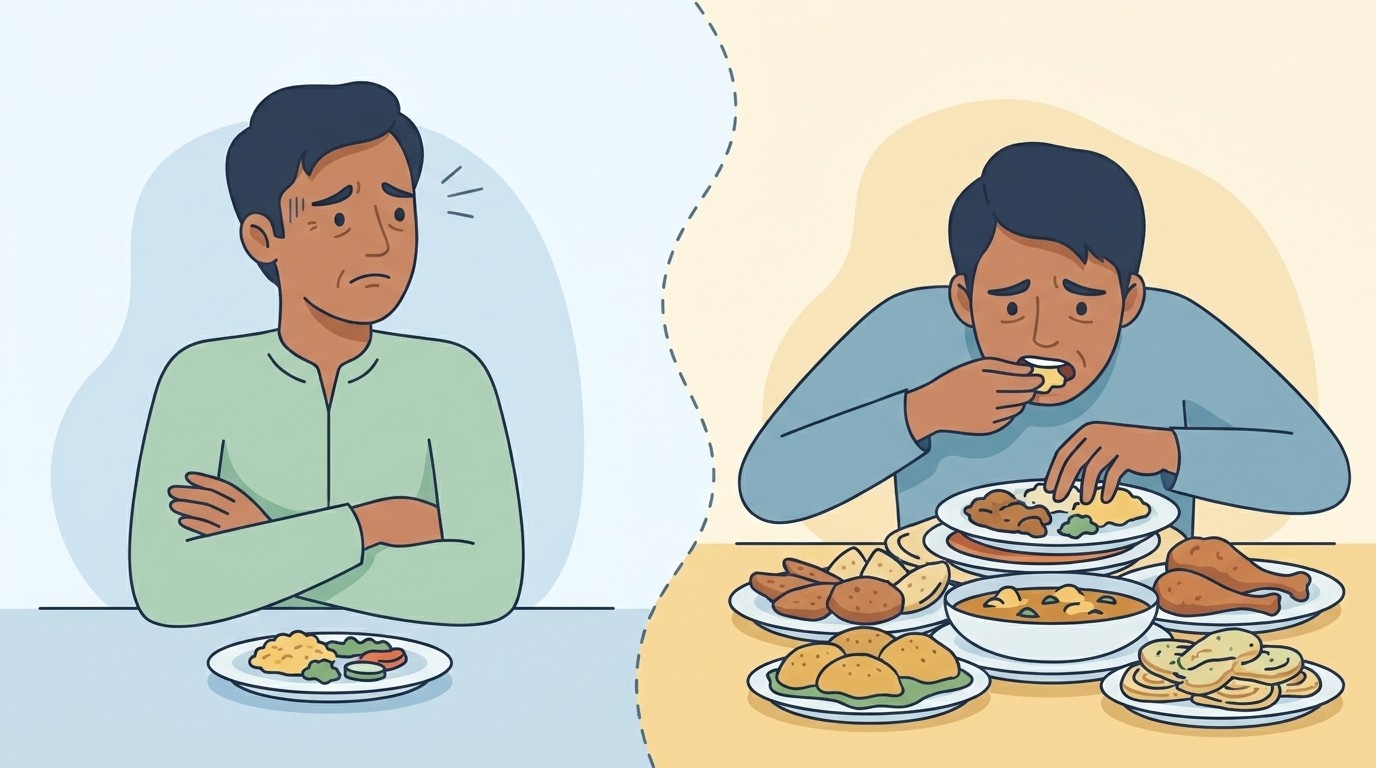
Anxiety is often seen as something that starts in the mind. But some emerging studies also suggest that it may begin in the gut. The connection between the digestive system and the brain, known as the gut-brain axis, plays a powerful role in regulating mood, stress and emotional balance.
This means what is eaten daily can directly influence how the mind feels.
What Is the Gut-Brain Axis?
The gut-brain axis is a two-way communication network between the digestive system and the brain. This connection is supported by the vagus nerve, hormones and the gut microbiome, trillions of bacteria living in the digestive tract.
What is the vagus nerve’s role in anxiety?
It acts as a communication highway, sending calming or stress signals between the gut and brain.
A lesser-known fact is that a significant portion of serotonin, a key mood-regulating neurotransmitter, is produced in the gut. When gut health is compromised, this communication can become disrupted, often reflecting in increased stress and anxiety.
What are neurotransmitters?
Chemical messengers that carry signals between the gut and brain to regulate mood and stress.
How Does Gut Health Affect Anxiety?
An imbalanced gut, often caused by poor diet, irregular eating patterns or chronic stress, can trigger inflammation and alter neurotransmitter production.
How does inflammation influence anxiety?
It interferes with brain signalling, making the body more sensitive to stress triggers.
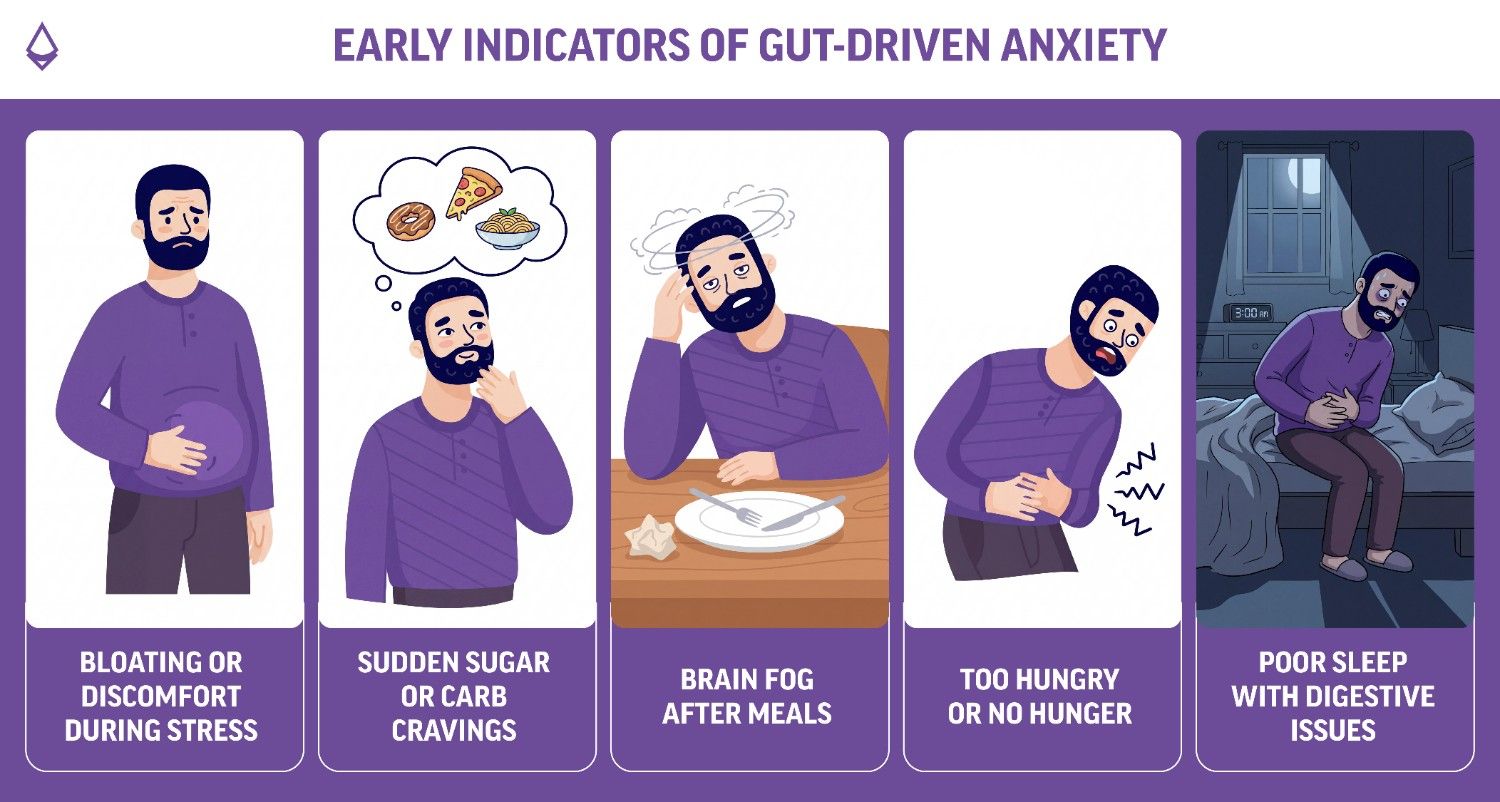
This may lead to:
Increased anxiety and restlessness
Poor stress tolerance
Disturbed sleep
Brain fog and low mood
On the other hand, a well-nourished gut supports more stable emotional responses and better resilience to stress.
What Foods Can Help Reduce Anxiety?
Certain foods can actively support the gut-brain connection and help regulate stress and anxiety over time.
1. Fermented foods (natural probiotics)
Foods like curd, buttermilk, kanji and homemade pickles introduce beneficial bacteria that support gut balance and improve mood signalling.
2. Prebiotic-rich foods
Ingredients like garlic, onions, bananas and oats feed good gut bacteria, helping them thrive and function better.
3. Omega-3 rich foods
Flaxseeds, walnuts and fatty fish support brain health and reduce inflammation linked to anxiety.
4. Magnesium-rich foods
Leafy greens, pumpkin seeds and dark chocolate help calm the nervous system and regulate stress responses.
5. Complex carbohydrates
Whole grains like brown rice, millets, and quinoa help maintain steady blood sugar levels, preventing mood dips and irritability.
Can Blood Sugar Affect Anxiety?
Yes, and often more than expected. Sudden spikes and crashes in blood sugar can trigger symptoms that feel like anxiety - restlessness, sweating, irritability and even a racing heart.
Why are stable blood sugar levels important for mood?
They prevent sudden energy crashes that can trigger anxiety-like symptoms.
Long gaps between meals or high-sugar diets can make the nervous system more reactive. Balanced meals with protein, fibre and healthy fats help maintain steady energy and emotional stability.
What Eating Patterns Support a Calmer Mind?
It’s not just what is eaten, but also how and when.
Regular meal timing helps stabilise internal rhythms
Avoiding late heavy meals supports better sleep and digestion
Mindful eating improves digestion and reduces stress signals
Including diverse, whole foods supports microbiome diversity
These patterns create a more stable internal environment for both the gut and brain.
A Healthy Gut For a Calm Mind
In some cases, anxiety may persist despite dietary and lifestyle improvements, especially when there is an underlying nervous system imbalance.
Emerging research suggests that cannabinoid-based medication may support emotional regulation by interacting with the body’s endocannabinoid system, which works closely with both the nervous system and gut functions. When used responsibly and under professional guidance, it may complement lifestyle approaches in managing chronic stress and anxiety.
The gut-brain axis highlights a simple but powerful idea: mental well-being is not just psychological; it is physiological. Supporting gut health through consistent, nourishing food choices can gradually improve the body's response to stress.
Small, daily changes in diet and routine can create a noticeable shift, making the mind feel more balanced, resilient and at ease.
Key Takeaways
- - Anxiety isn’t just mental; our gut microbiome actively shapes how our brain processes stress.
- - The gut produces a large share of serotonin, making digestion directly tied to mood stability.
- - Blood sugar swings can mimic anxiety symptoms, often being misread as purely psychological.
- - Gut imbalance triggers inflammation, which quietly disrupts emotional regulation and sleep.
- - Consistent eating patterns matter as much as food choices in stabilising the gut-brain axis.