

What are Menstrual Migraines?


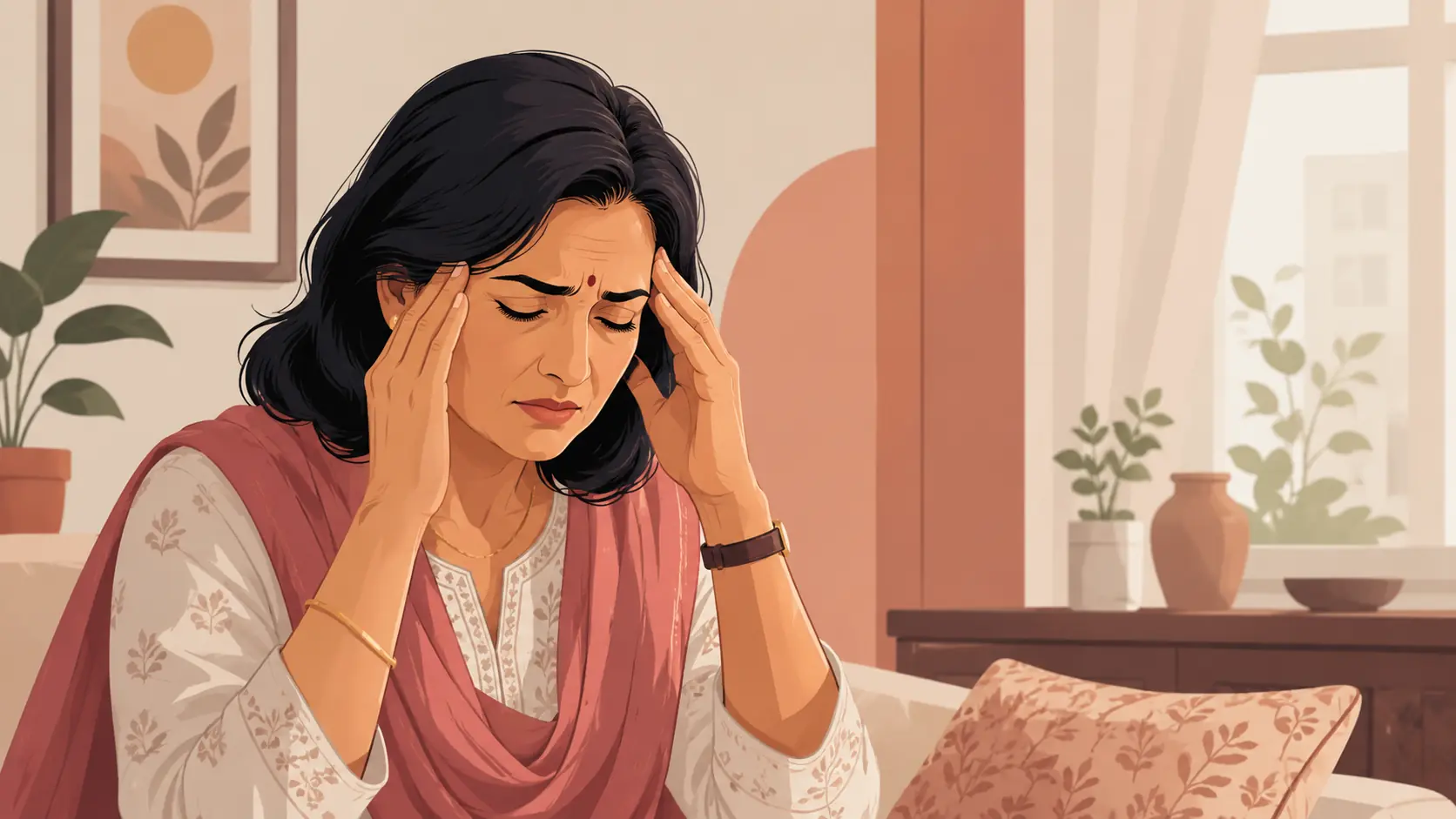
Many women notice that severe headaches seem to occur around their menstrual cycle. These are not ordinary headaches. Known as menstrual migraines, they are closely linked to hormonal fluctuations and can be more intense, longer-lasting and harder to manage than regular migraines.
Can menstrual migraines occur without a headache?
Yes, some women experience symptoms such as nausea, dizziness, fatigue, or light sensitivity even without significant head pain.
Research suggests that migraines affect women far more often than men and hormonal changes are one of the primary reasons. In fact, many women experience their first migraine attacks around puberty, while others notice symptoms worsening during their reproductive years. Understanding the connection between hormones and migraine can help women identify patterns, reduce triggers and seek appropriate support.
Why Do Menstrual Migraines Happen?
The main culprit behind menstrual migraines is a sudden drop in estrogen levels. Estrogen plays an important role in regulating various brain chemicals involved in pain perception, including serotonin.
Just before menstruation begins, estrogen levels decline rapidly. For some women, this hormonal shift can trigger changes in the brain that lead to a migraine attack.
Menstrual migraines typically occur:
Two days before a period starts
During the first three days of menstruation
Around the time of significant hormonal fluctuations
Some women experience migraines only during their menstrual cycle, while others may have migraines throughout the month that become worse around their period.
How Are Menstrual Migraines Different From Regular Migraines?
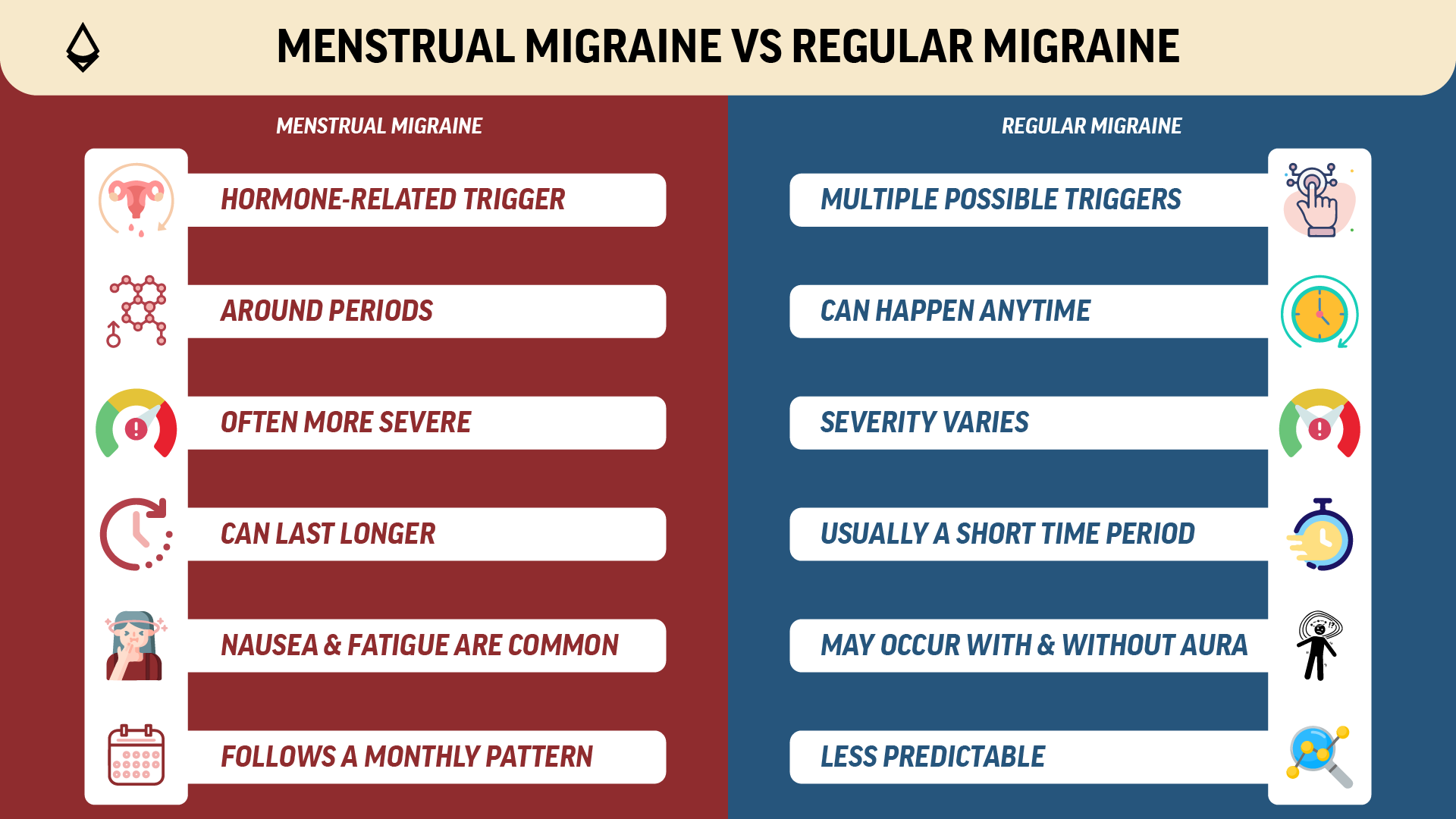
Menstrual migraines often share many features with regular migraines, but they tend to be more severe and disabling.
Common symptoms include:
Throbbing or pulsating pain, usually on one side of the head
Sensitivity to light, sound, or smell
Nausea and vomiting
Fatigue and difficulty concentrating
Dizziness or light-headedness
One notable difference is that menstrual migraines are often longer-lasting and may respond less effectively to standard migraine treatments.
Unlike some other migraine types, menstrual migraines are less commonly associated with aura.
What is a migraine with aura?
A migraine with aura is a migraine preceded by temporary visual symptoms such as flashing lights, zigzag lines, or blind spots before the headache starts.
What Other Factors Can Make Menstrual Migraines Worse?
Hormonal fluctuations may be the primary trigger, but several lifestyle and environmental factors can increase the likelihood or intensity of an attack.
These include:
Poor sleep quality
Emotional stress
Skipping meals
Dehydration
Excessive caffeine intake or sudden caffeine withdrawal
Alcohol consumption
Intense physical exhaustion
Many women find that a combination of hormonal changes and these triggers contributes to their migraine episodes.
How Can Menstrual Migraines Be Identified?
Keeping a migraine diary can be extremely useful. Tracking headache episodes alongside menstrual cycle dates can reveal recurring patterns that might otherwise go unnoticed.
Women should note:
When the migraine begins
How long does it last
Symptom severity
Menstrual cycle dates
Potential triggers such as stress, sleep changes, or dietary factors
This information can help healthcare professionals determine whether migraines are hormonally linked and guide management strategies.
Do menstrual migraines stop after menopause?
Many women experience fewer menstrual migraines after menopause because hormone levels become more stable.
What Lifestyle Changes May Help Reduce Menstrual Migraines?
While hormonal fluctuations cannot be completely avoided, certain habits may help reduce migraine frequency and severity. Maintaining a regular sleep schedule, staying well hydrated, eating balanced meals at consistent times, managing stress through relaxation techniques, engaging in regular physical activity and limiting known dietary triggers can all support better migraine control.
Can dehydration trigger a migraine during menstruation?
Yes, hormonal changes combined with fluid loss and inadequate water intake may increase the risk of migraine attacks around periods.
Some women also benefit from preparing for expected migraine days by prioritising rest and minimising exposure to personal triggers around menstruation. Cannabinoid-based medications can provide additional support in migraine management due to their interaction with the body's endocannabinoid system, which is involved in pain regulation.
Way Forward
Early diagnosis can help women identify appropriate management strategies and improve their quality of life. Menstrual migraines may be linked to natural hormonal changes, but they should not be dismissed as something women simply have to endure. Recognising the connection between the menstrual cycle and migraine is often the first step toward better symptom control and long-term relief.
Key Takeaways
- - Menstrual migraines are triggered primarily by the drop in estrogen levels that occurs just before menstruation.
- - They typically occur from two days before a period to the first three days of menstruation.
- - Menstrual migraines are often more severe, longer-lasting and harder to manage than regular migraines.
- - Sleep disturbances, stress, dehydration and skipped meals can worsen hormonally triggered migraines.
- - Tracking migraine episodes alongside menstrual cycles can help identify patterns and support more effective management.