

Vestibular Migraine: Symptoms, Causes and Management


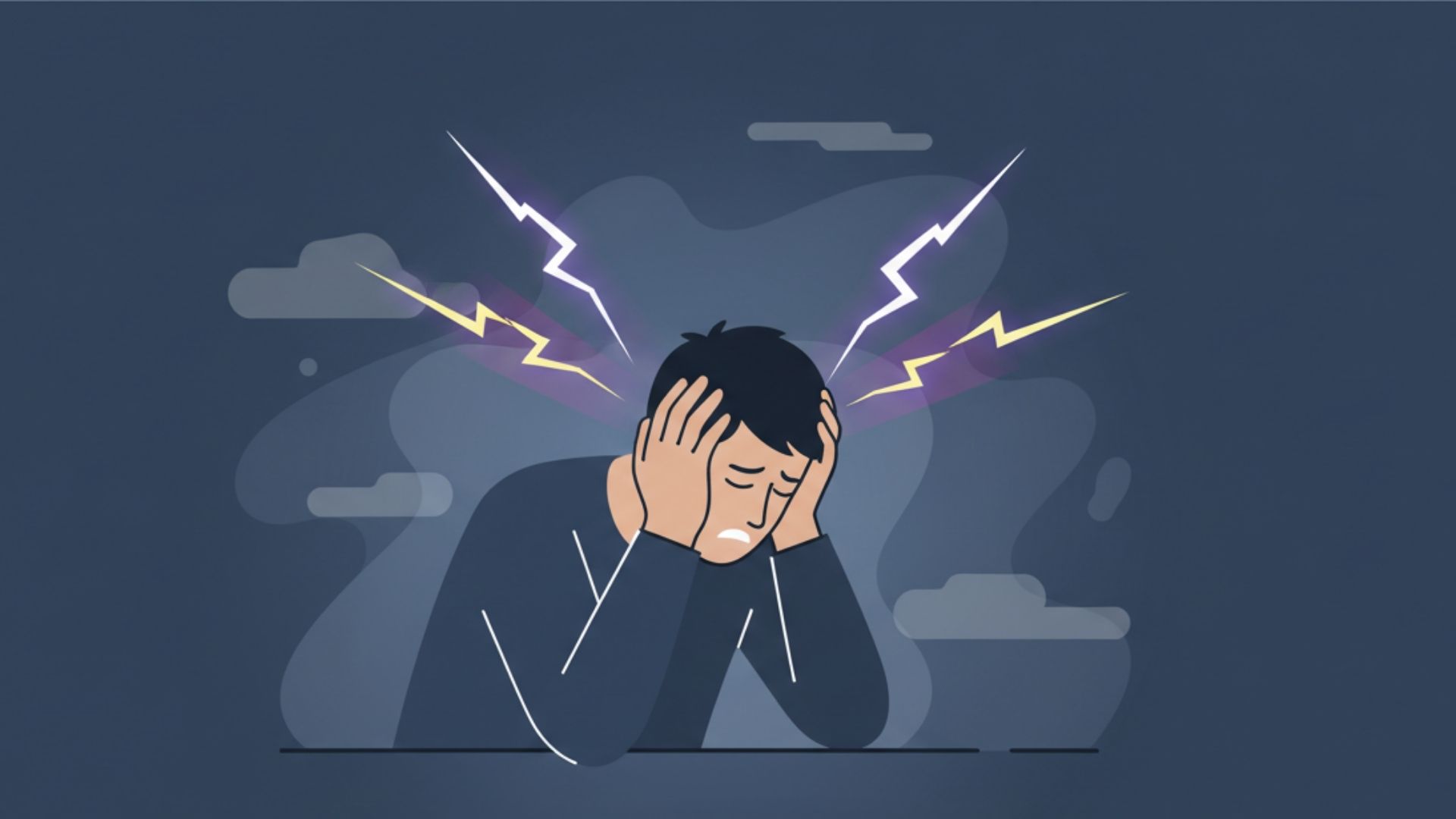
Migraines are often associated with severe headaches, nausea, and sensitivity to light and sound. But for some people, migraines take a slightly different form - one that affects balance, motion, and the inner ear. This is called a vestibular migraine, sometimes referred to as migraine-associated vertigo. While it’s less widely recognised than classic migraines, it can be just as disruptive to daily life.
Why can vestibular migraine occur without a severe headache?
In vestibular migraine, the brain’s balance pathways may be more affected than pain pathways, making dizziness the dominant symptom.
What Is Vestibular Migraine?
Vestibular migraine is a type of migraine that primarily affects the vestibular system, which is the network in the inner ear and brain responsible for balance and spatial orientation. People with vestibular migraines may experience vertigo (a spinning sensation), dizziness, unsteady gait, or a feeling of motion even when standing still. Interestingly, the headache itself may be mild or even absent in some cases, which often leads to delayed or misdiagnosis.
What is the vestibular system and how does it affect balance?
The vestibular system is a network in the inner ear and brain that helps control balance, movement and spatial orientation.
Common Symptoms of Vestibular Migraine
Vestibular migraine symptoms can vary in intensity and duration, and they often overlap with other conditions such as inner ear disorders. Typical symptoms include:
Vertigo or spinning sensation (lasting minutes to hours, sometimes days)
Lightheadedness or feeling off-balance
Nausea or vomiting
Sensitivity to motion or visual stimuli
Classic migraine symptoms such as headache, sensitivity to light/noise, or visual auras (though these may be absent)
How is vestibular migraine different from an inner ear disorder?
Vestibular migraine is neurological in origin, while inner ear disorders are caused by structural or fluid-related problems inside the ear.
Symptoms may be triggered by the same factors that cause regular migraines, including stress, hormonal changes, certain foods, sleep disruption, or sensory overload.
Causes of Vestibular Migraine
Hormonal fluctuations: Sudden estrogen drops around periods can heighten sensitivity in the brain’s balance and pain pathways.
Genetic predisposition: A family history of migraine increases individual susceptibility to vestibular episodes.
Sensory overload: Bright lights, crowded visuals, loud spaces, or fast-moving screens can overwhelm the vestibular system.
Inner-ear sensitivity: Temporary glitches in how the brain interprets balance signals from the inner ear can trigger episodes.
Stress & sleep imbalance: Irregular sleep, high stress, and cortisol spikes can destabilise the brain’s migraine threshold.
Dietary triggers: Caffeine swings, aged cheese, processed meats, and artificial sweeteners can set off vestibular symptoms.
Weather changes: Sudden shifts in humidity or barometric pressure can alter brain sensitivity and trigger attacks.
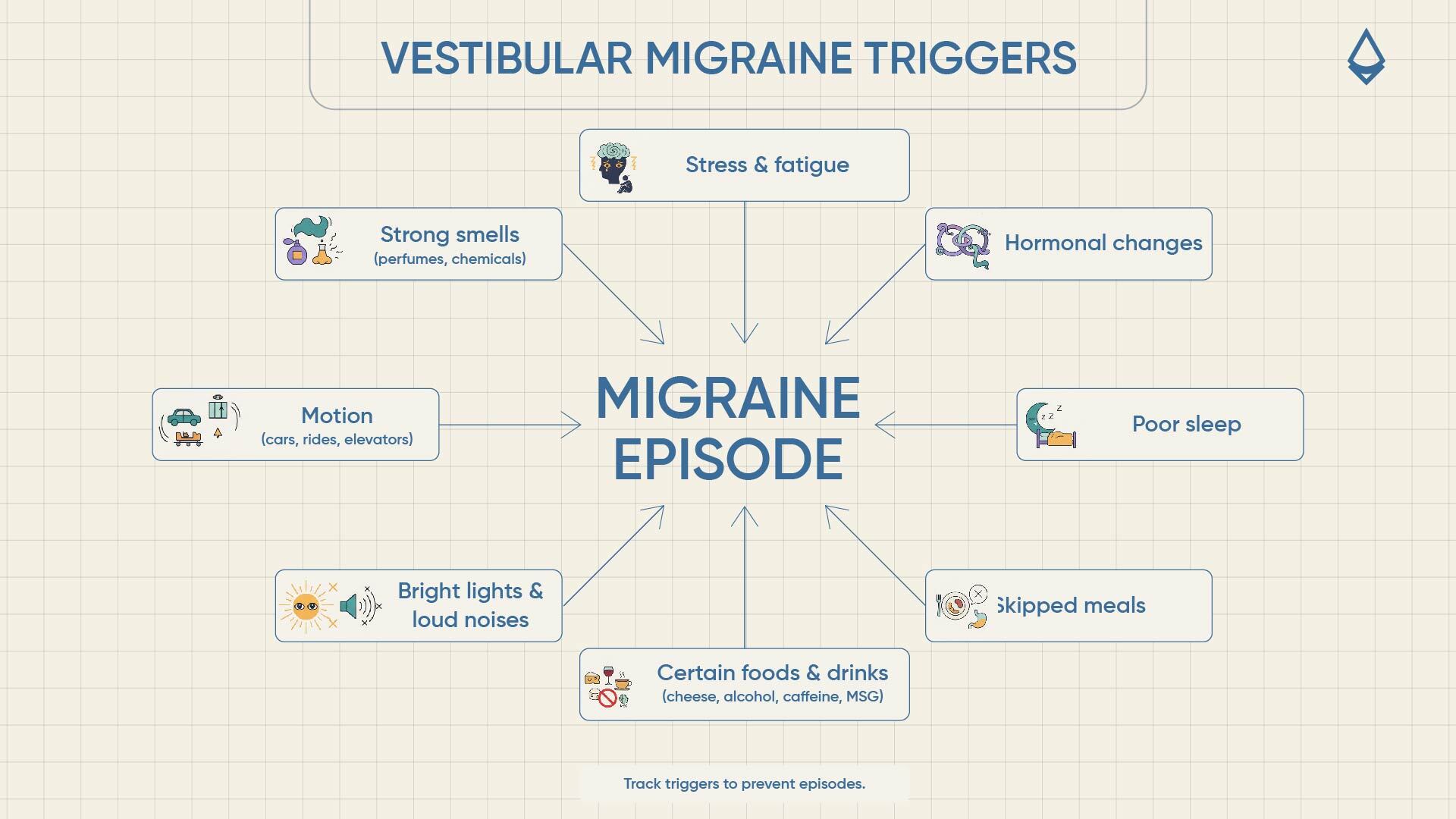
Why do screens and crowded visual environments trigger vestibular migraine?
Fast-moving visuals and sensory overload can overwhelm the brain’s balance-processing systems and provoke dizziness or vertigo.
Diagnosis of Vestibular Migraine
Diagnosing vestibular migraine can be challenging because the dizziness and vertigo symptoms mimic other conditions such as benign paroxysmal positional vertigo (BPPV), Ménière’s disease, or vestibular neuritis. Doctors usually rely on:
Detailed medical history and symptom patterns
Neurological and vestibular examinations
Exclusion of other inner ear or neurological disorders
Imaging tests (like MRI), if necessary
There is no single test that confirms vestibular migraine, making awareness of symptom patterns critical.
Management and Treatment
Management of vestibular migraine focuses on stabilising daily rhythms and reducing triggers that overwhelm the brain’s balance pathways. Simple adjustments like consistent sleep, stress reduction, steady meals, good hydration, and avoiding sensory overload (bright lights, loud spaces, fast screens) can significantly reduce episodes.
Tracking symptoms, foods, hormonal shifts, and weather patterns helps pinpoint personal triggers and avoid flare-ups before they begin. Vestibular rehabilitation therapy, customised exercises can retrain balance signals and reduce motion sensitivity over time.
What is vestibular rehabilitation therapy?
It is a specialised form of physical therapy that uses balance and motion exercises to retrain the brain’s response to movement.
In addition, cannabinoid-based medications may help stabilise sensory processing, reduce dizziness, and calm the neurological overactivity linked to migraine episodes, offering a natural alternative for long-term support.
Seek urgent medical care if dizziness is paired with a sudden, severe headache, vision problems, weakness, numbness, or speech changes.
Conclusion
Vestibular migraine is a complex but manageable condition. Understanding the symptoms, recognising triggers, and working with healthcare providers for proper diagnosis and treatment can help sufferers regain balance. Awareness is key, because while it may not always involve a pounding headache, its impact on daily life can be just as profound.
Also Read:
Key Takeaways
- - Vestibular migraine affects the brain’s balance pathways, causing vertigo and dizziness rather than just a typical headache.
- - Head pain is often mild or entirely absent, which frequently leads to the condition being misdiagnosed as an inner-ear infection.
- - Common triggers include sensory overload (bright lights or screens), hormonal shifts, stress, and irregular sleep patterns.
- - Management focuses on stabilizing daily routines and using vestibular rehabilitation exercises to retrain the brain’s balance signals.