

Pelvic Inflammatory Disease: Symptoms, Risks & Early Care


Pelvic Inflammatory Disease (PID) is one of those conditions that often goes unnoticed until the symptoms become hard to ignore. It affects the female reproductive organs, mainly the uterus, fallopian tubes and ovaries. It usually develops when harmful bacteria travel upward from the vagina or cervix. The tricky part is that PID can be silent at first, yet cause long-term complications if left untreated.
Why are the fallopian tubes especially vulnerable in PID?
The fallopian tubes are delicate structures and inflammation there can easily lead to scarring, fluid buildup, or blockage.
Most cases of PID are caused by sexually transmitted infections like chlamydia or gonorrhoea, but it isn’t restricted to sexually transmitted infections alone. Sometimes, normal vaginal bacteria can also enter the reproductive tract during childbirth, miscarriage, abortions, or even certain medical procedures like IUD insertion. What truly matters is catching the symptoms early and understanding how the infection progresses.
The reproductive tract normally has natural barriers to keep infections out. However, when pathogenic bacteria move past the cervix and reach the upper reproductive organs, inflammation begins. The fallopian tubes are especially vulnerable. Once inflammation sets in, the tubes can swell, fill with fluid, or develop scar tissue. This scarring is one of the major long-term concerns associated with PID, as it may affect fertility later in life.
Early Symptoms to Watch Out For
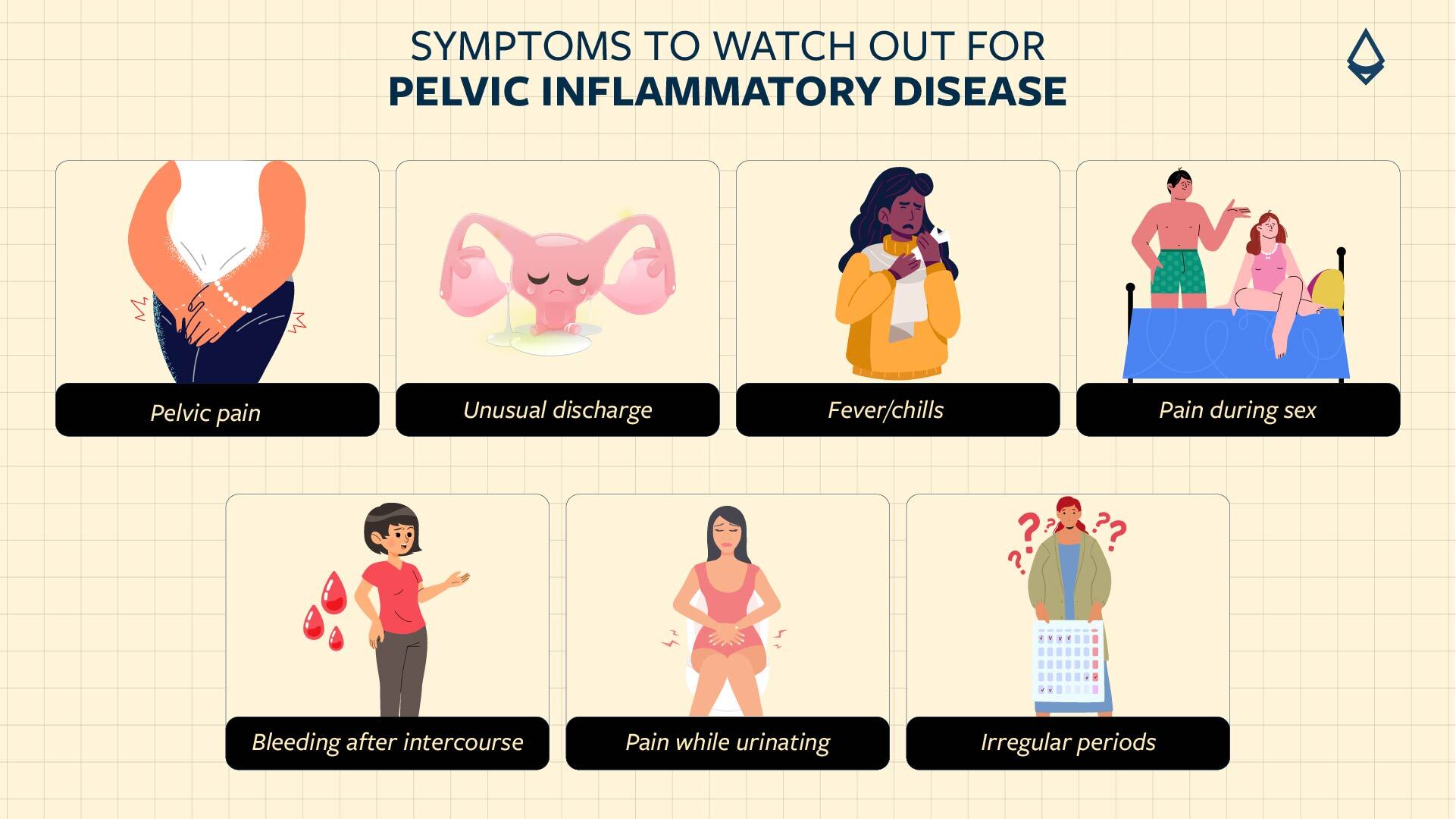
PID doesn’t look the same for every woman. Some experience strong symptoms, while others barely feel a difference. However, the most common signs include:
Lower abdominal or pelvic pain
Unusual vaginal discharge, often with an odour
Pain during urination
Fever or chills
Bleeding after intercourse
Pain during sex
Irregular menstrual bleeding
Why can PID sometimes go unnoticed for long periods?
Some women experience very mild or vague symptoms, allowing inflammation and tissue damage to progress silently.
If any of these symptoms appear suddenly or persist for more than a day or two, it’s best to consult a healthcare provider immediately. Early treatment can prevent most long-term problems.
Timely Diagnosis for Pelvic Inflammatory Disease
The biggest concern with untreated PID is that the inflammation can create permanent damage to the fallopian tubes and surrounding tissues. This can lead to complications such as:
Chronic pelvic pain
Ectopic pregnancy, where a fertilised egg implants outside the uterus
Infertility, due to blocked or damaged fallopian tubes
Abscess formation, which can become a medical emergency
What is an ectopic pregnancy and how is it linked to PID?
An ectopic pregnancy happens when a fertilised egg implants outside the uterus, often due to scarred or blocked fallopian tubes from PID.
Even one episode of PID can increase the risk of infertility. Repeated or severe infections further increase this risk, making early detection extremely important.
Who Is at Higher Risk?
Certain factors raise the chances of developing PID:
A partner who has untreated STIs
Using douches, which disrupts normal vaginal bacteria
A history of previous PID
Recent pelvic procedures
Using barrier protection, regular STI screening and maintaining good sexual health practices can significantly reduce the risk.
Managing Pelvic Inflammatory Disease
Treatment usually involves antibiotics that target the bacteria responsible for the infection. Most women begin to feel better within a few days, but it’s crucial to complete the full course of medication. In severe cases, especially when an abscess is present, hospitalisation or surgical intervention may be needed.
Why is completing the full antibiotic course important in PID treatment?
Stopping treatment early may allow bacteria to survive, increasing the risk of persistent infection, recurrence, or complications.
Resting, staying hydrated and avoiding sexual activity until the infection fully clears are important recovery steps. Your partner may also need treatment to prevent reinfection.
Beyond medication, maintaining vaginal and reproductive health plays a major role. Staying consistent with regular gynaecological exams, practising safe sex, supporting immunity with a nutrient-rich diet and avoiding unnecessary internal products like douches can all help reduce future risk.
Natural Remedies That May Help
Along with medical treatment, a few natural supports can make recovery smoother. Warm compresses ease pelvic pain, probiotics help rebuild a healthy vaginal microbiome and anti-inflammatory foods like turmeric, garlic and leafy greens may lower inflammation. Cannabinoid-based medications are known for their anti-inflammatory, antimicrobial and pain-modulating effects. These formulations may help relax pelvic muscles, reduce discomfort and support overall recovery.
How do probiotics support recovery in PID?
Probiotics help restore healthy vaginal bacteria, which may reduce microbial imbalance and support reproductive tract health.
Conclusion
PID is common, but it’s also highly treatable when caught early. The key is awareness that includes recognising symptoms, seeking timely care and prioritising reproductive health. With early action, most complications can be prevented and long-term well-being can be protected.
Also Read:
Key Takeaways
- - PID is an infection of the upper reproductive organs (uterus, fallopian tubes, and ovaries) caused when bacteria travel upward from the vagina or cervix.
- - Early symptoms can be subtle or silent, but common signs include lower abdominal pain, unusual discharge, and pain during intercourse or urination.
- - Untreated inflammation leads to permanent scarring, which significantly increases the risk of chronic pelvic pain, ectopic pregnancy, and infertility.
- - Completing the full course of antibiotics is vital, even if symptoms improve quickly, to ensure the infection is fully cleared and to prevent complications.
- - Prevention and recovery involve stabilizing the vaginal microbiome by avoiding douching, practicing safe sex, and attending regular gynecological exams.