

How To Treat Menopause Effectively?



Menopause isn’t just a phase but a full-body transition that can quietly reshape how a woman feels, sleep, think and even move. For some women, it’s manageable; for others, symptoms like hot flashes, mood swings, fatigue and joint pain can disrupt everyday life. The good news is that menopause can be managed effectively with a mix of medical support, nutritional care and natural strategies, depending on woman to woman.
Why do some women experience joint pain during menopause?
Declining estrogen affects inflammation control and joint lubrication, which can lead to stiffness, aches and even early onset of arthritis-like symptoms, something often overlooked.
Menopause typically occurs between 45-55 years and is marked by a decline in estrogen and progesterone. This hormonal shift can lead to:
Hot flashes and night sweats
Sleep disturbances
Mood changes and anxiety
Vaginal dryness
Bone density loss
Treatment isn’t about “fixing” menopause; it’s about reducing discomfort and supporting long-term health, especially heart and bone health.
Is Hormone Replacement Therapy (HRT) the Most Effective Option?
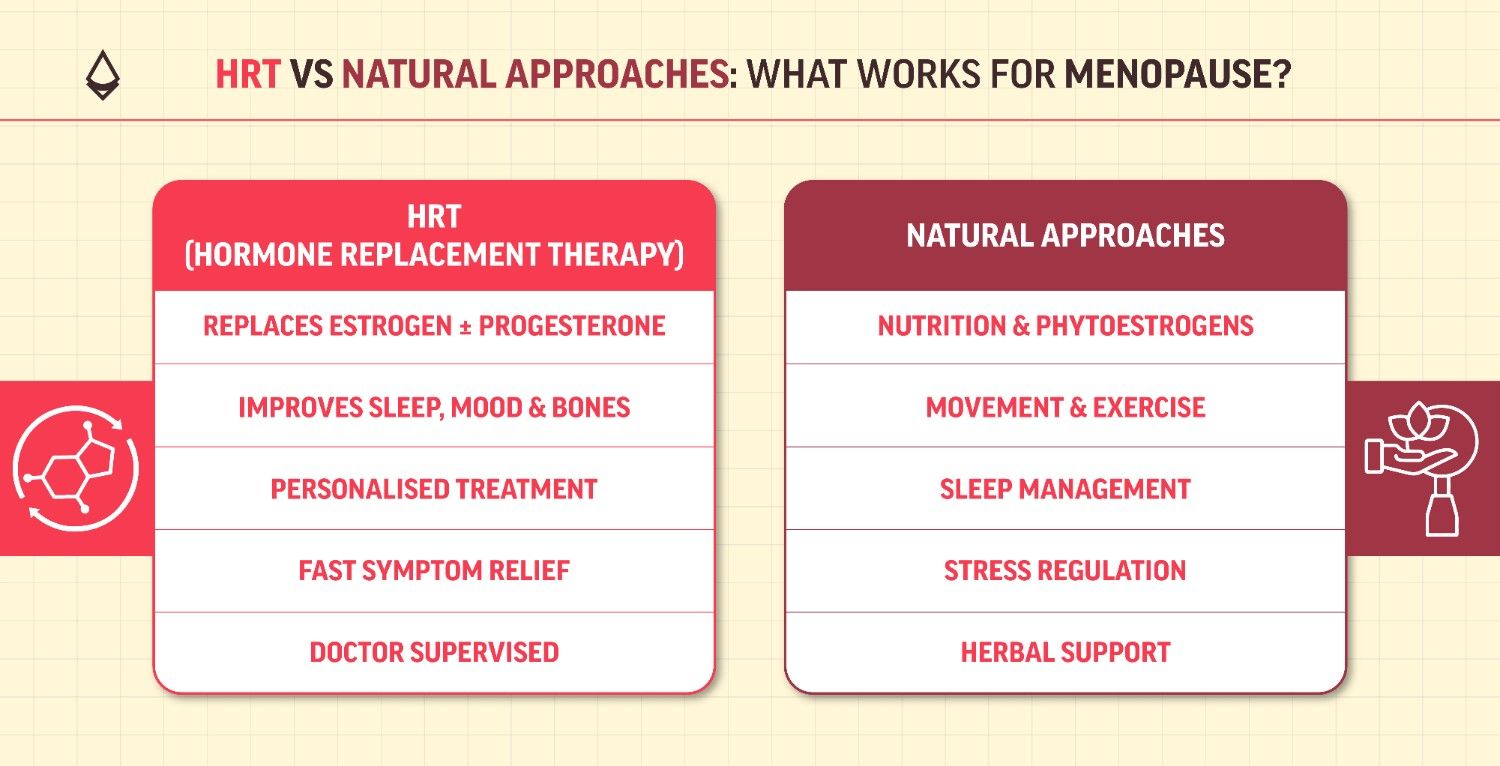
HRT is one of the most effective treatments for moderate to severe menopause symptoms. It works by replenishing estrogen (and sometimes progesterone), helping to stabilise hormonal fluctuations.
Benefits of HRT:
Significant reduction in hot flashes and night sweats
Improved sleep and mood stability
Protection against bone loss and osteoporosis
But HRT isn’t for everyone. Women with a history of certain cancers, blood clots, or liver disease may need alternatives. The timing also matters - starting HRT closer to menopause tends to have better outcomes and fewer risks.
Is it safe to stay on HRT long-term?
It depends on individual health profiles - some women may benefit from longer use under supervision, while others may use it short-term for symptom control, making regular review essential.
A qualified healthcare professional can help determine the right type (pills, patches, gels) and dosage based on individual needs.
Which Vitamins and Nutrients Actually Help During Menopause?
Nutrition plays a surprisingly powerful role in managing menopause symptoms - often underestimated but highly effective when done right.
Key vitamins and minerals:
Calcium + Vitamin D: Essential for preventing bone loss.
Vitamin B Complex: Helps with energy levels and mood regulation.
Magnesium: Supports sleep quality and reduces muscle tension.
Vitamin E: May help reduce the intensity of hot flashes.
Omega-3 fatty acids: Help with mood swings and inflammation.
Phytoestrogens: Found in soy, sesame seeds and chickpeas mimic mild estrogen activity in the body.
Can Lifestyle Changes and Natural Remedies Truly Ease Menopause Symptoms?
Lifestyle and natural interventions often form the foundation of menopause care. When practised consistently, they can significantly reduce symptom intensity, improve quality of life and even support long-term metabolic and bone health.
Movement
Physical activity directly influences hormonal balance, mood and bone strength - all of which are impacted during menopause.
Strength training helps prevent muscle loss and improves bone density, reducing the risk of osteoporosis.
Weight-bearing exercises like walking or stair climbing support joint health and cardiovascular function.
Yoga and mobility work can ease stiffness, improve flexibility and reduce the frequency of hot flashes by calming the nervous system.
Even 30 minutes of movement, 4-5 times a week, can create noticeable improvements in energy and mood.
Sleep
Declining estrogen affects the body’s temperature regulation and melatonin production, leading to night sweats and fragmented sleep.
Keeping the bedroom cool, dark and well-ventilated
Avoid caffeine and heavy meals in the evening
Try magnesium-rich foods or calming nighttime rituals like warm showers or light stretching
A lesser-known tip: maintaining consistent sleep and wake times can help “reset” the circadian rhythm, which often becomes unstable during menopause.
Stress Management
Stress isn’t just emotional - it has a direct hormonal impact. Elevated cortisol can worsen hot flashes, trigger weight gain (especially around the abdomen) and disrupt sleep.
Why does weight gain during menopause feel different?
It’s not just weight gain; fat distribution shifts more toward the abdominal area, largely due to changes in estrogen and increased cortisol sensitivity.
Breathwork techniques (like box breathing) can calm the nervous system within minutes
Meditation and mindfulness improve emotional regulation
Sound healing or slow music therapy can help reduce physiological stress responses
Natural and Herbal Supports
Certain plant-based remedies have been traditionally used to support hormonal balance and symptom relief:
Ashwagandha: Helps the body adapt to stress and may improve sleep
Shatavari: Often used in Ayurveda for female reproductive health and hormonal support
Flaxseeds: Rich in lignans (phytoestrogens) that may help reduce hot flashes
Sesame seeds: A lesser-known but effective addition for supporting calcium levels and hormonal balance
In addition, cannabinoid-based medications are emerging as supportive options for managing symptoms like chronic pain, sleep disturbances and anxiety associated with menopause, offering a more holistic, plant-based approach when used under proper medical guidance.
Diet
What we eat can either amplify or ease symptoms:
Phytoestrogen-rich foods (soy, chickpeas) may help mimic mild estrogen activity
Healthy fats (like walnuts and flaxseeds) support brain health and mood
Reducing ultra-processed foods and sugar can stabilise energy and reduce inflammation
Can menopause impact gut health and digestion?
Yes, hormonal shifts can alter the gut microbiome, leading to bloating, slower digestion and even changes in how nutrients are absorbed.
A simple shift toward whole, balanced meals can make a noticeable difference over time.
When Should Different Approaches be Combined?
There’s no single “perfect” treatment - menopause management works best when it’s personalised and layered.
HRT + nutritional support for more intense symptoms
Natural remedies + vitamins for mild to moderate discomfort
Lifestyle changes are the base that supports every other intervention
The key is to observe how the body responds and adjust gradually rather than trying everything at once.
Conclusion
Menopause is often framed as a decline, but it’s actually a shift into a new phase of health. With the right combination of medical support, nutrition, and lifestyle changes, it can become a period of greater body awareness and long-term resilience - not just symptom management.
Key Takeaways
- - Menopause symptoms are driven by hormonal decline but can be effectively managed.
- - HRT is the most effective option for severe symptoms but requires medical guidance.
- - Vitamins like D, B-complex and magnesium play a crucial role in symptom relief.
- - Natural strategies like movement, stress management and herbal support can make a big difference.
- - A combined, personalised approach works best for long-term menopause management.