

How to Diagnose Migraines?


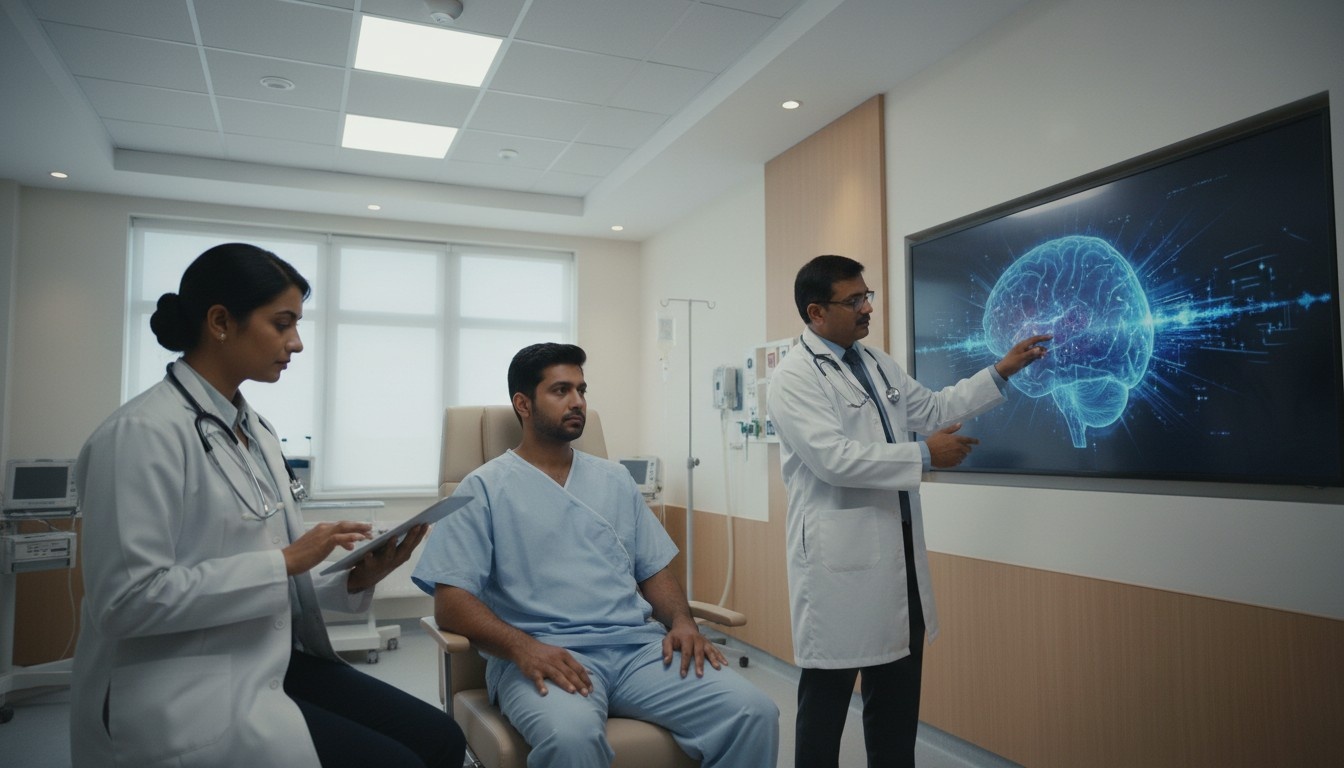
Migraines are often misunderstood. Many people think diagnosing a migraine requires brain scans, blood tests, or extensive investigations. In reality, migraine is primarily a clinical diagnosis, meaning doctors identify it based on symptoms, patterns, and history rather than a single test. Importantly, migraine is not a brain tumour, stroke, or life-threatening disease, even though the pain can feel severe and frightening.
Can migraines happen without a severe headache?
Yes, some people experience migraine aura, dizziness, nausea or sensory disturbances with very little or no head pain.
How is Migraine Diagnosed?
Doctors focus on listening to the patient’s experience. They look at how often headaches occur, how long they last, what the pain feels like, and what other symptoms accompany them. Most people with migraine have a normal neurological exam, meaning reflexes, muscle strength, coordination, and vision are unaffected. This is a strong sign that advanced imaging like MRI is usually unnecessary.
What is the ICHD-3 Criteria?
The International Classification of Headache Disorders (ICHD-3) is the global standard for diagnosing migraine. For migraine without aura, doctors look for:
Headache attacks lasting 4–72 hours
Pain that is one-sided, throbbing or pulsating, moderate to severe, and worsened by routine activity
At least one associated symptom: nausea/vomiting, sensitivity to light, or sensitivity to sound.
If these features occur repeatedly and cannot be explained by another condition, a migraine diagnosis becomes likely.
Why do migraines make people sensitive to light and sound?
Migraine affects how the brain processes sensory signals, making normal light, sound, or smells feel overwhelming during an attack.
Why Scans and Blood Tests Are Usually Not Needed?
Routine MRI, CT scans, or blood tests do not confirm migraine. According to studies, these are unnecessary when symptoms fit diagnostic criteria and neurological exams are normal. Blood tests are only used if another underlying condition (like infection or hormonal imbalance) is suspected.
Can hormonal changes increase migraine frequency?
Yes, fluctuations in hormones, especially around menstruation, pregnancy, or menopause, can trigger migraines in many individuals.
When Are Scans Recommended?
Doctors may order an MRI if there are warning signs, including:
A new or rapidly worsening headache
Headaches after age 50
Headaches with seizures, weakness, or numbness
Sudden “thunderclap” headaches reaching peak intensity in seconds
These red flags are uncommon but important to rule out serious conditions.
Differentiating Migraine from Other Headaches
Migraines can be confused with tension or sinus headaches. Key differences:
Migraine: Pulsating pain, worsens with movement, often with nausea or sensory sensitivity
Tension headache: Tight band-like pain, lacks associated symptoms
Sinus headache: Linked to infection and nasal symptoms
Correct identification prevents misdiagnosis and unnecessary treatments.
A headache diary is extremely useful. Recording frequency, duration, intensity, symptoms, triggers, and menstrual cycles for 4–6 weeks helps doctors identify patterns and make a confident diagnosis.
Understanding Migraine Triggers
Triggers don’t cause migraine, but can provoke attacks in a sensitive brain. Common triggers include skipped meals, dehydration, irregular sleep, stress, hormonal changes, bright lights, strong smells and certain foods. Doctors use this information to help patients manage their migraine, not to blame them.
Can dehydration silently trigger migraines?
Yes, even mild dehydration can affect blood flow and brain signalling, making migraine attacks more likely in sensitive individuals.
Who Can Diagnose Migraine?
Primary care physicians, neurologists, or headache specialists can diagnose migraine. Often, a trained general physician can do this based on history and criteria alone. Neurologist referral is usually reserved for unusual, severe, or treatment-resistant headaches.
Natural Alternatives for Migraine Relief
Alongside lifestyle modifications and trigger management, some natural treatment options have gained attention for migraine relief. Cannabinoid-based medications, derived from compounds found in cannabis, are being studied for their potential to reduce migraine frequency and severity without the side effects of some conventional medications. These treatments work by interacting with the body’s endocannabinoid system, which plays a role in regulating pain, inflammation, and neurological signalling.
Why Early Diagnosis Matters?
Understanding that migraine is a neurological condition, not something dangerous, reduces anxiety and unnecessary tests. Early diagnosis helps patients make informed lifestyle choices, avoid repeated emergency visits, and manage their condition effectively.
Key Takeaways
- - Doctors mainly rely on how the headache feels, how often it occurs, and associated symptoms - scans and blood tests are usually not required.
- - Migraine is not a brain tumour, stroke, or dangerous condition, even though the pain can feel intense and alarming.
- - Recurrent headaches lasting 4–72 hours with pulsating pain, worsening on movement, and symptoms like nausea or light/sound sensitivity strongly point to migraine.
- - Imaging is recommended only for unusual cases, such as sudden severe headaches, neurological symptoms, or new headaches later in life.
- - Recognising migraine early helps reduce anxiety, avoid repeated investigations, track triggers effectively, and explore lifestyle or natural relief options.