

Endometriosis: Types, Signs, Symptoms & Natural Relief


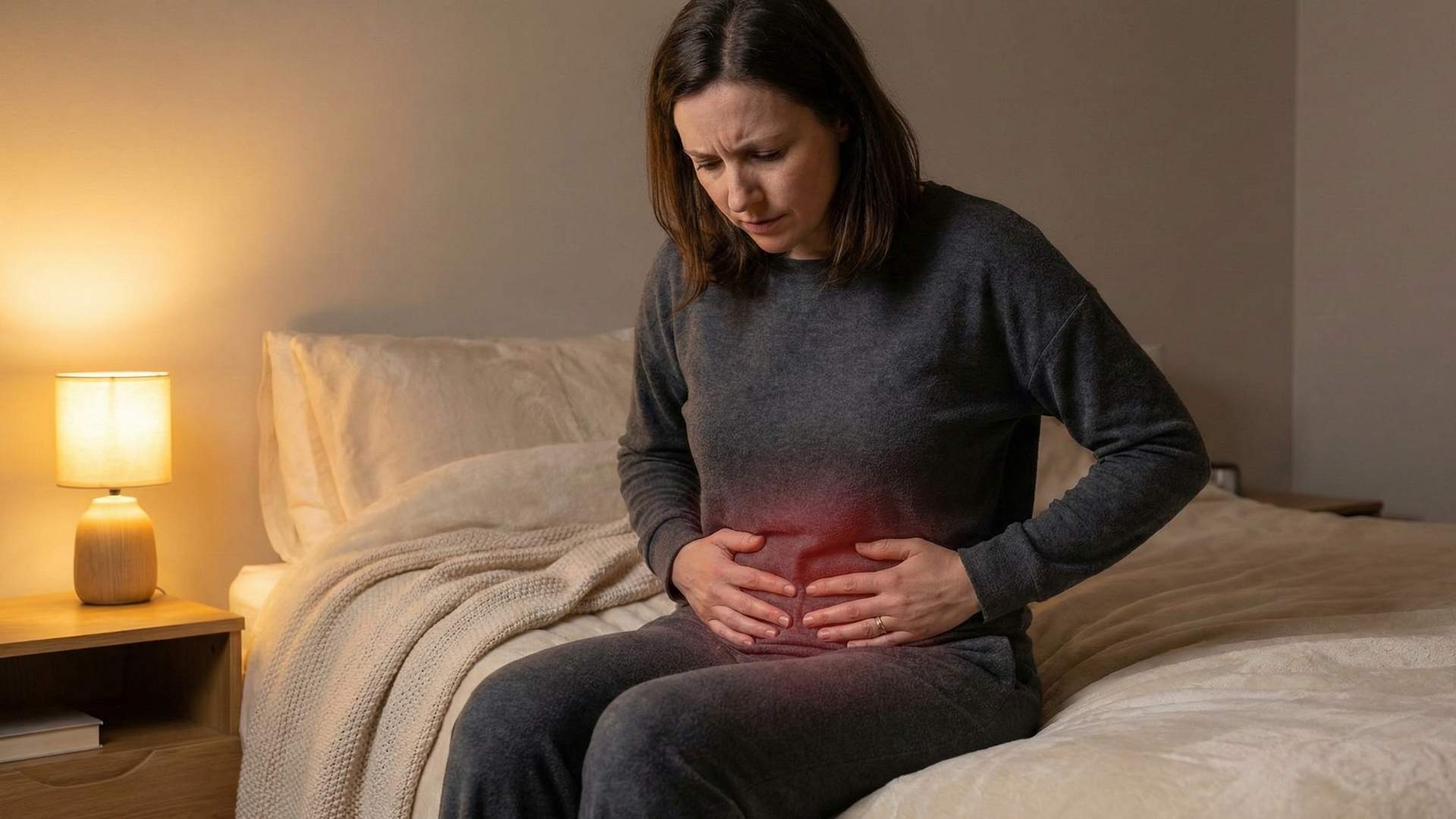
Around 10% of the female population of reproductive age is affected by endometriosis globally. It is a condition where tissue similar to the lining of the uterus starts growing outside it. It grows on the ovaries, fallopian tubes, pelvic wall, bladder, or bowel. This tissue behaves similarly to the uterine lining, thickening, breaking down, and bleeding every month. But unlike a period, the blood has nowhere to go. This leads to inflammation, swelling, cysts, scar tissue and sometimes organs sticking to each other. That’s why endometriosis is not just a “painful period problem” but a chronic inflammatory condition that affects multiple systems in the body.
Why is endometriosis considered a chronic inflammatory condition?
The misplaced tissue repeatedly bleeds and irritates surrounding areas, creating ongoing inflammation throughout the pelvic region.
Types of Endometriosis
Endometriosis is generally classified into a few main types based on where the tissue grows and how deeply it infiltrates surrounding structures.
Superficial Peritoneal Endometriosis: The most common type, where shallow lesions form on the lining of the pelvic cavity.
Ovarian Endometriomas: Also known as “chocolate cysts,” these occur when endometrial tissue grows on the ovaries and collects old blood.
Deep Infiltrating Endometriosis (DIE): A more severe form where lesions grow deep into organs like the bowel, bladder, or vaginal wall, often leading to intense, persistent pain.
Some women also develop adhesions, which are bands of scar tissue that cause organs to stick together. Understanding these types allows healthcare professionals to recognise symptom patterns more accurately and choose the most appropriate management approach.
What are adhesions in endometriosis?
Adhesions are bands of scar tissue that can cause pelvic organs to stick together, leading to stiffness, pain and movement restriction.
Causes of Endometriosis
Retrograde menstruation: Menstrual blood flows back into the pelvis, allowing endometrial cells to settle outside the uterus.
Immune dysfunction: The body may not clear these misplaced cells effectively, letting them survive and grow.
Genetic predisposition: A family history can increase susceptibility.
Hormonal imbalance: Higher estrogen activity can support the growth of implants.
Chronic inflammation: Creates a favourable environment for lesions to thrive.
Angiogenesis: New blood vessel formation helps abnormal tissue survive in places it shouldn’t.
How does estrogen influence endometriosis symptoms?
Higher estrogen activity can stimulate endometrial-like tissue growth, worsening pain, inflammation, bloating and heavy periods.
Early Signs of Endometriosis
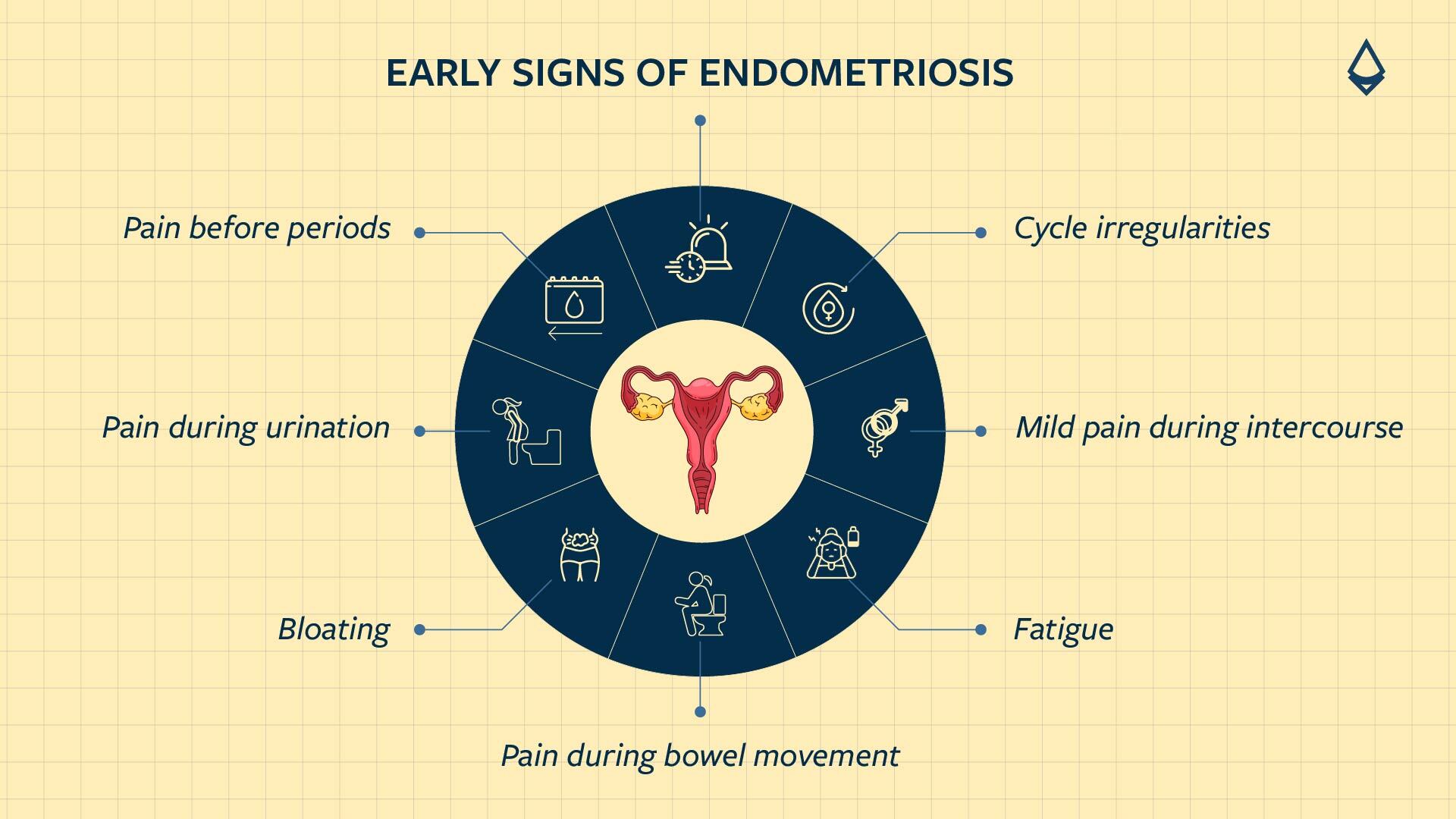
Early signs are subtle and often mistaken for normal period symptoms, but they appear consistently month after month. These may include:
Period pain that starts a few days before bleeding
Pain during bowel movements or urination
Mild pelvic discomfort during intercourse
Unexplained bloating
Fatigue that doesn’t match your routine
Cycle irregularities or spotting
Catching these signs early helps reduce long-term complications.
Symptoms of Endometriosis
As endometriosis progresses, symptoms become clearer and harder to ignore. Common symptoms include:
Very painful periods that interfere with daily life
Pelvic pain at any point in the cycle
Sharp lower back or leg pain
Heavy bleeding or clotting
Pain during intercourse
Nausea, diarrhoea, or constipation
Sudden “endo belly” bloating
Chronic fatigue
Difficulty getting pregnant
What is “endo belly” in endometriosis?
“Endo belly” refers to sudden abdominal bloating caused by inflammation, digestive irritation and pelvic fluid retention linked to endometriosis.
Not everyone has all the symptoms. Some experience high pain with minimal visible lesions, while others have severe lesions but milder pain.
Endometriosis & Bodily Changes
Endometriosis affects the body in multiple ways, not just the reproductive system.
Inflammation: Continuous inflammation can impact digestion, energy levels and immunity.
Adhesions and scar tissue: Organs may shift or stick together, causing stiffness and deep pain.
Hormonal imbalance: Estrogen dominance can worsen PMS, mood swings and cramps.
Nervous system sensitisation: Chronic pain can make the body more sensitive over time.
Digestive effects: Many women develop symptoms resembling IBS.
Fertility challenges: In some cases, it interferes with ovulation, egg quality, or tube function.
Why do some women with endometriosis experience IBS-like symptoms?
Inflammation near the bowel and pelvic nerves can affect digestion, causing bloating, constipation, diarrhoea and abdominal discomfort.
Endometriosis & Lifestyle
Endometriosis can quietly reshape everyday life in ways many women don’t notice at first. Over time, women may find themselves planning their days around pain or unpredictable flare-ups, often struggling with reduced productivity during certain phases of their cycle. Social plans may feel overwhelming due to sudden bloating, fatigue, or discomfort and certain workouts become difficult to continue because of persistent pelvic pain. The constant physical stress can create emotional strain, affect mood and even lead to anxiety around intimacy due to pain or lowered libido.
What makes endometriosis difficult to deal with is that the condition is invisible, leaving many women feeling misunderstood by those around them.
Natural Ways to Manage Endometriosis
While there isn’t a permanent cure, many natural approaches can significantly reduce symptoms, calm inflammation and improve quality of life.
Light exercises such as walking, stretching, or yoga help keep the pelvic area relaxed and improve circulation. Many women also find relief with heat therapy, which includes warm compresses or hot baths, can ease muscle tension and soothe cramps. Reducing long sitting hours is equally important, as staying in one position for too long can worsen pelvic stiffness. Good sleep hygiene plays a big role, along with practices like breathwork or meditation. Acupuncture is another effective method known to reduce pelvic pain and calm the nervous system
What one eats significantly influences inflammation and symptom severity. Including more anti-inflammatory foods like leafy greens, berries, turmeric, ginger, nuts and seeds helps bring down flare-ups. Omega-3-rich foods such as flaxseeds and walnuts also support hormone balance and reduce inflammation.
On the other hand, cutting back on processed sugar, refined flour and deep-fried foods can prevent aggravation. Limiting excessive dairy and red meat may also help some women feel lighter and less bloated. Staying hydrated throughout the day is essential. Each body responds differently, so slow, consistent changes work best.
Cannabinoid-based formulations derived from plant compounds may help reduce chronic pelvic pain, inflammation and stress associated with endometriosis. They support the body’s natural regulatory pathways and may offer gentle relief for some women as part of a holistic management plan.
Conclusion
Endometriosis is a multi-system condition that affects physical, emotional and day-to-day well-being. With early awareness, supportive lifestyle changes and holistic natural remedies, many women can manage symptoms more comfortably. It is more important to consult a healthcare professional as early as possible in the case of endometriosis in order to control the spread and worsening of symptoms.
Also Read:
Key Takeaways
- - Endometriosis is a chronic inflammatory condition where tissue similar to the uterine lining grows on other organs (like ovaries or the bladder), causing internal bleeding and inflammation.
- - It is more than just "painful periods" because the misplaced tissue can lead to cysts, scar tissue, and "adhesions" that cause organs to stick together.
- - Symptoms often affect multiple body systems, leading to chronic fatigue, digestive issues (endo-belly), and fertility challenges, which can make the condition feel "invisible."
- - Early signs are frequently dismissed, but consistent patterns of pelvic pain, pain during intercourse, or lower back pain should be investigated to prevent long-term complications.
- - Management focuses on lowering inflammation through anti-inflammatory diets, heat therapy, light movement (like yoga), and stabilizing the nervous system to improve quality of life.