

Can You Get Pregnant After Menopause?


It’s a question many women quietly wonder about, especially when periods become irregular or stop altogether. If menopause marks the end of your menstrual cycle, does it also completely close the door on pregnancy?
What Exactly Is Menopause?
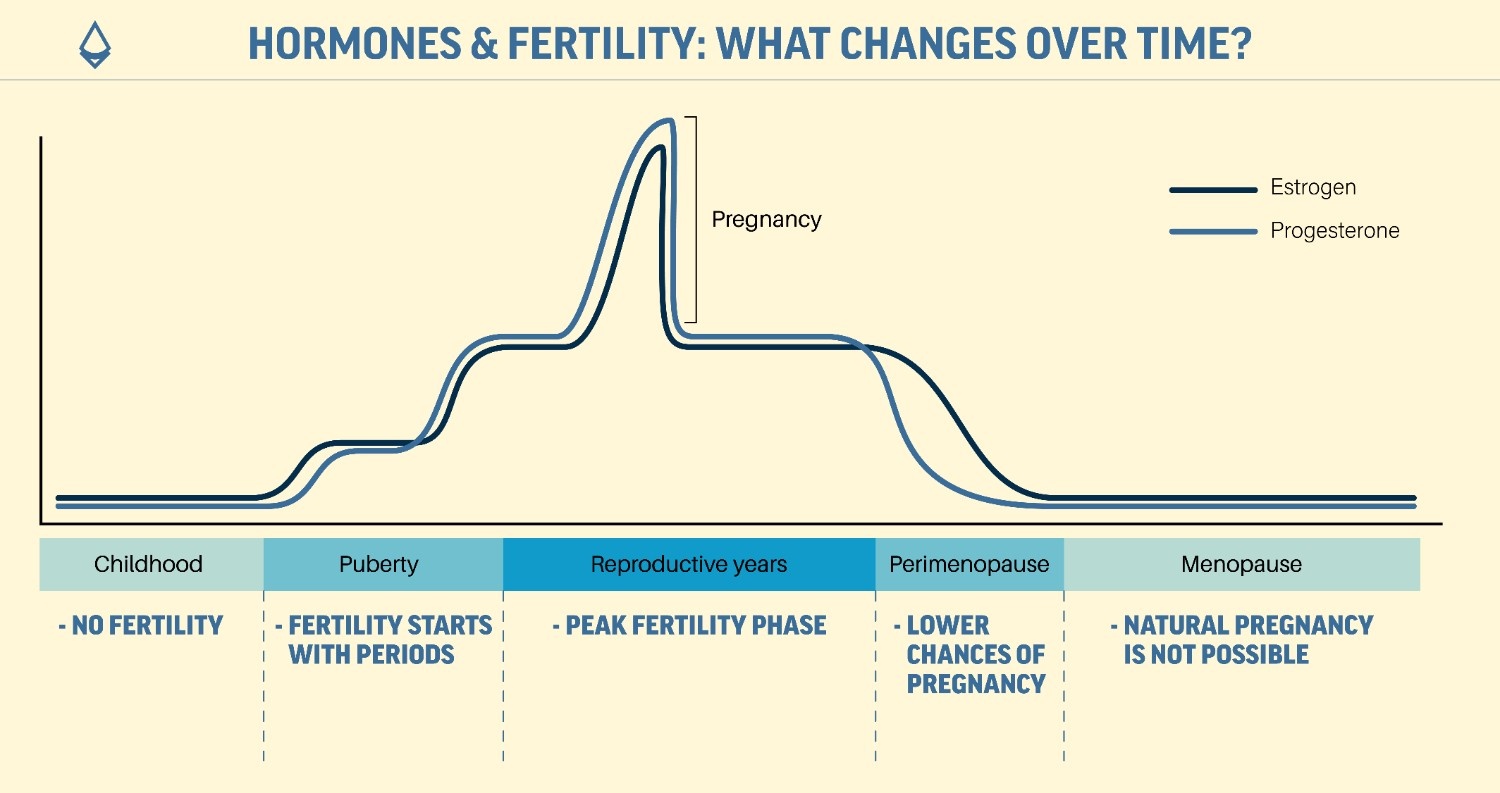
Menopause is officially diagnosed when a woman hasn’t had a period for 12 consecutive months. At this stage, the ovaries have significantly reduced their production of estrogen and progesterone and more importantly, they stop releasing eggs.
Without ovulation, natural conception cannot occur.
Can Pregnancy Happen During Perimenopause?
This is where confusion often comes in. Perimenopause is the transition phase before menopause, where:
Periods become irregular
Hormones fluctuate
Ovulation becomes unpredictable
Pregnancy is still possible during this phase. Even if cycles are inconsistent, the body may still release eggs occasionally.
Can a woman still ovulate right before menopause?
Yes, ovulation can still occur unpredictably during perimenopause, even after several missed periods.
Why Natural Pregnancy Isn’t Possible After Menopause?
After menopause:
Ovaries no longer release eggs
Hormone levels are too low to support ovulation
The uterine environment changes
All of this makes natural conception biologically impossible.
Can menopause be reversed naturally?
No, menopause is a natural biological process and cannot be reversed, though symptoms can be managed.
Are There Any Ways to Get Pregnant After Menopause?
While natural pregnancy isn’t possible, assisted reproductive techniques have made pregnancy achievable in some cases.
Options include:
This means that while a woman’s body may not produce eggs anymore, it can still support a pregnancy with medical assistance.
What Are the Risks to Consider?
Pregnancy after menopause, especially through assisted methods, comes with increased risks such as:
High blood pressure
Gestational diabetes
Increased cardiovascular strain
Higher chances of complications during delivery
Because of this, such pregnancies require close monitoring and a strong focus on overall health before and during the process.
Looking Beyond Fertility
One of the most important shifts that often goes unnoticed is how the body’s priorities change after menopause. Fertility may decline, but this phase opens the door to focusing on long-term health in a more intentional way.
This can be a time to:
Strengthen bones and prevent density loss
Build and maintain muscle mass
Support metabolism and heart health
Focus on emotional and mental well-being
Hormonal changes can also bring symptoms like sleep disturbances, mood shifts, joint discomfort and fatigue. While these are common, they don’t have to be passively accepted. Many women are now exploring more holistic ways to support their bodies during this transition.
Does menopause affect libido and intimacy?
Yes, hormonal changes can impact libido, but lifestyle support and hormonal balance can help improve it.
For instance, cannabinoid-based formulations are a natural and effective option for a potential role in supporting relaxation, pain management and overall balance. By interacting with the body’s endocannabinoid system, which plays a role in regulating mood, sleep and inflammation, these approaches may offer a more natural, supportive pathway for managing menopausal discomfort when used responsibly.
Can lifestyle changes really ease menopausal symptoms?
Absolutely - nutrition, strength training, stress management and natural therapies can significantly improve overall well-being during this phase.
Conclusion
Menopause isn’t just about the end of reproductive ability - it’s about entering a phase where the focus can shift toward sustainability, strength and quality of life. While pregnancy after menopause isn’t naturally possible, understanding one’s body during the transition phase helps make informed choices, whether that’s about contraception, assisted options, or overall health.
Instead of viewing menopause as a limitation, it can be seen as a reset point - one where the goal is no longer just hormonal balance for reproduction, but for long-term vitality and well-being.
Key Takeaways
- - Natural pregnancy is not possible after menopause due to a lack of ovulation.
- - Pregnancy can still occur during perimenopause despite irregular periods.
- - Menopause is confirmed after 12 months without a period.
- - Assisted methods like IVF can enable pregnancy after menopause.
- - Pregnancy later in life comes with higher health risks and requires careful monitoring.