

Can Chronic Insomnia Be Managed Effectively?



Occasional sleepless nights are a part of life. Still, when difficulty falling asleep, staying asleep, or waking too early persists for at least 3 months and begins to affect daily life, it is considered chronic insomnia. Left untreated, chronic insomnia can impact concentration, memory, mood, work performance, immunity and even increase the risk of several long-term health conditions. The good news is that chronic insomnia is manageable with the right combination of treatments and healthy habits.
What is Chronic Insomnia?
Unlike short-term insomnia, which is often triggered by temporary stress or illness, chronic insomnia usually develops due to multiple factors like:
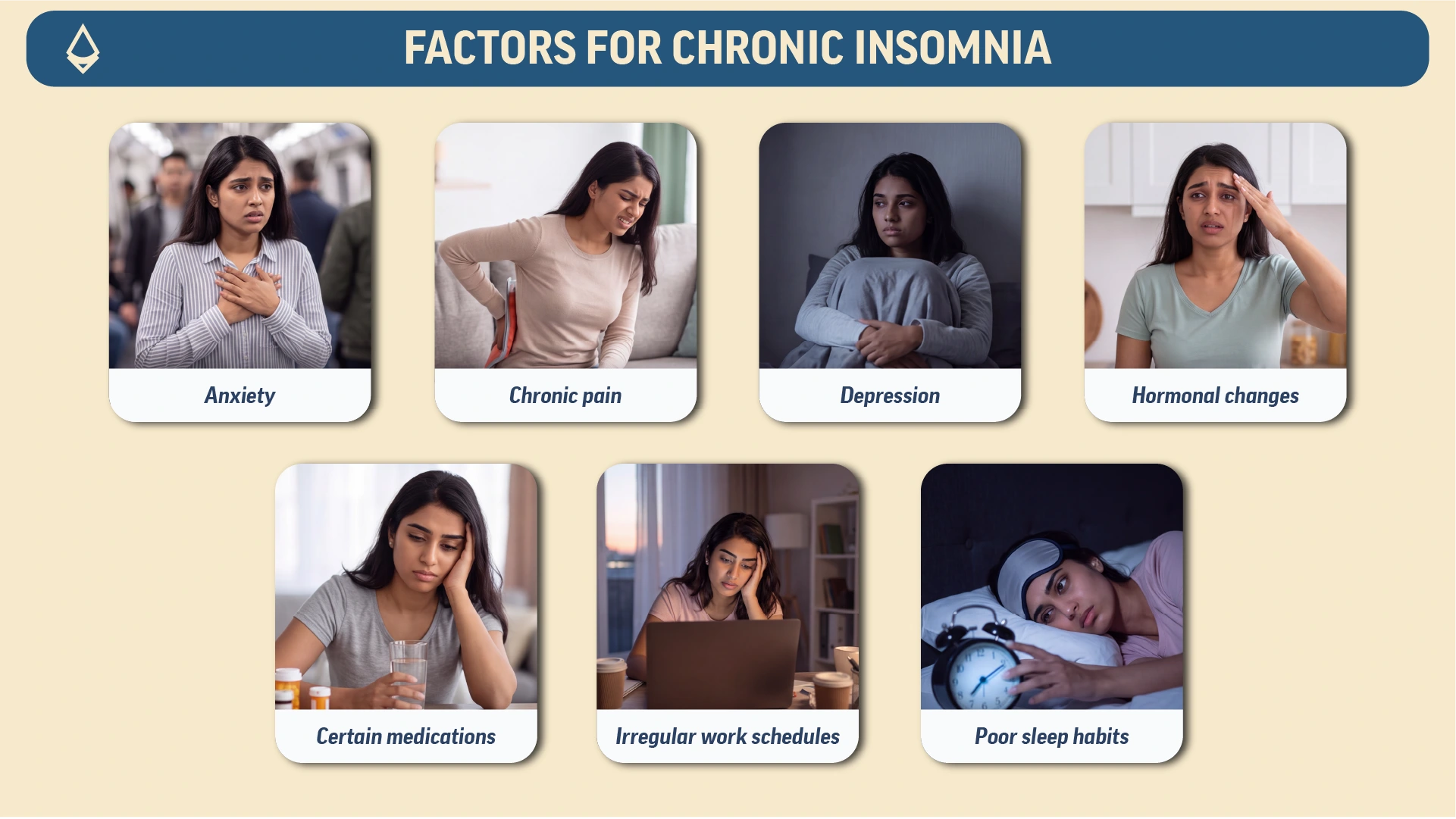
All of these factors can contribute to persistent sleep problems. Over time, many people also develop anxiety around sleep itself, creating a cycle where worrying about not sleeping makes it even harder to fall asleep.
What makes insomnia "chronic" rather than temporary?
Insomnia is considered chronic when difficulty falling asleep, staying asleep, or waking up too early lasts for at least 3 months and significantly impacts daily functioning.
Because the causes are often interconnected, effective treatment focuses on addressing both the symptoms and the underlying factors for poor sleep.
What are the Most Effective Treatments for Chronic Insomnia?
The gold standard treatment for chronic insomnia is Cognitive Behavioural Therapy for Insomnia (CBT-I). Rather than simply helping someone sleep, CBT-I addresses the thoughts and behaviours that keep insomnia going. It uses evidence-based techniques such as sleep scheduling, stimulus control, relaxation training and cognitive restructuring to improve sleep over the long term.
For some individuals, medications may also be recommended, particularly when insomnia is severe or significantly affects daily functioning. However, conventional sleep medications are generally prescribed for short-term use, as prolonged use may increase the risk of tolerance, dependence, or daytime drowsiness. Treatment should always be personalised and guided by a healthcare professional.
Are sleep medications recommended for long-term use?
No. Conventional sleep medications are generally prescribed for short-term use to manage severe symptoms. Prolonged reliance can increase the risk of daytime drowsiness, tolerance and dependence.
Can Lifestyle Changes Improve Chronic Insomnia?
Absolutely. While healthy sleep habits alone may not cure chronic insomnia, they play a crucial role in supporting long-term recovery and improving the effectiveness of medical treatment.
Simple habits that can make a meaningful difference include:
Going to bed and waking up at the same time every day.
Avoiding caffeine, nicotine and alcohol in the evening.
Limiting screen time at least an hour before bedtime.
Exercising regularly while avoiding vigorous activity close to bedtime.
Keeping the bedroom cool, dark and quiet.
Consistency is key. These habits help reinforce the body's natural circadian rhythm and improve sleep quality over time.
Should Underlying Health Conditions Also be Treated?
Yes. Chronic insomnia is often a symptom of another underlying condition rather than a standalone disorder. It commonly coexists with chronic pain, anxiety, depression, sleep apnoea, Restless Legs Syndrome, menopause-related symptoms and certain neurological conditions.
Why is treating co-existing health conditions important for sleep?
Chronic insomnia often stems from underlying issues like chronic pain, depression, anxiety, or sleep apnea. Treating these underlying conditions alongside insomnia leads to far better, longer-lasting sleep outcomes.
Managing these conditions alongside insomnia often leads to better sleep outcomes and improves overall quality of life. A comprehensive evaluation can help identify factors that may otherwise go unnoticed.
How Can One Manage Chronic Insomnia in the Long Run?
Long-term management is about building habits that support healthy sleep every day, not just during periods of poor sleep. Along with following the treatment plan, reducing daily stress, spending time outdoors, maintaining a calming bedtime routine and avoiding long daytime naps can all contribute to better sleep over time.
It's also important to seek medical advice if insomnia continues for more than three months, begins affecting work or relationships, or is accompanied by symptoms such as loud snoring, breathing pauses, or unusual movements during sleep. Early intervention can prevent chronic insomnia from becoming more difficult to treat.
In addition, cannabinoid-based medications have attracted growing interest, particularly for people whose sleep disturbances are linked to chronic pain, anxiety, or neurological conditions. Carefully regulated cannabinoid-based therapies may improve sleep by addressing these underlying symptoms and these medications should only be considered under the supervision of a qualified healthcare professional.
The Bottom Line
Living with chronic insomnia can be physically and emotionally exhausting, but it is a highly manageable condition. Evidence-based treatments such as CBT-I, healthy lifestyle practices and treating underlying health conditions remain the foundation of long-term care. As research continues to evolve, newer approaches may expand treatment options further, giving people more ways to achieve restful, restorative sleep under appropriate medical guidance.
Key Takeaways
- - Chronic insomnia lasts for three months or longer and often requires long-term management.
- - CBT-I is considered the most effective first-line treatment for persistent insomnia.
- - Consistent sleep habits significantly improve the success of long-term treatment.
- - Identifying and treating underlying medical or mental health conditions is essential for lasting relief.
- - Seeking professional help early can improve sleep quality and prevent long-term complications.