

Ovulation Cramps vs Period Cramps: How Are They Different?


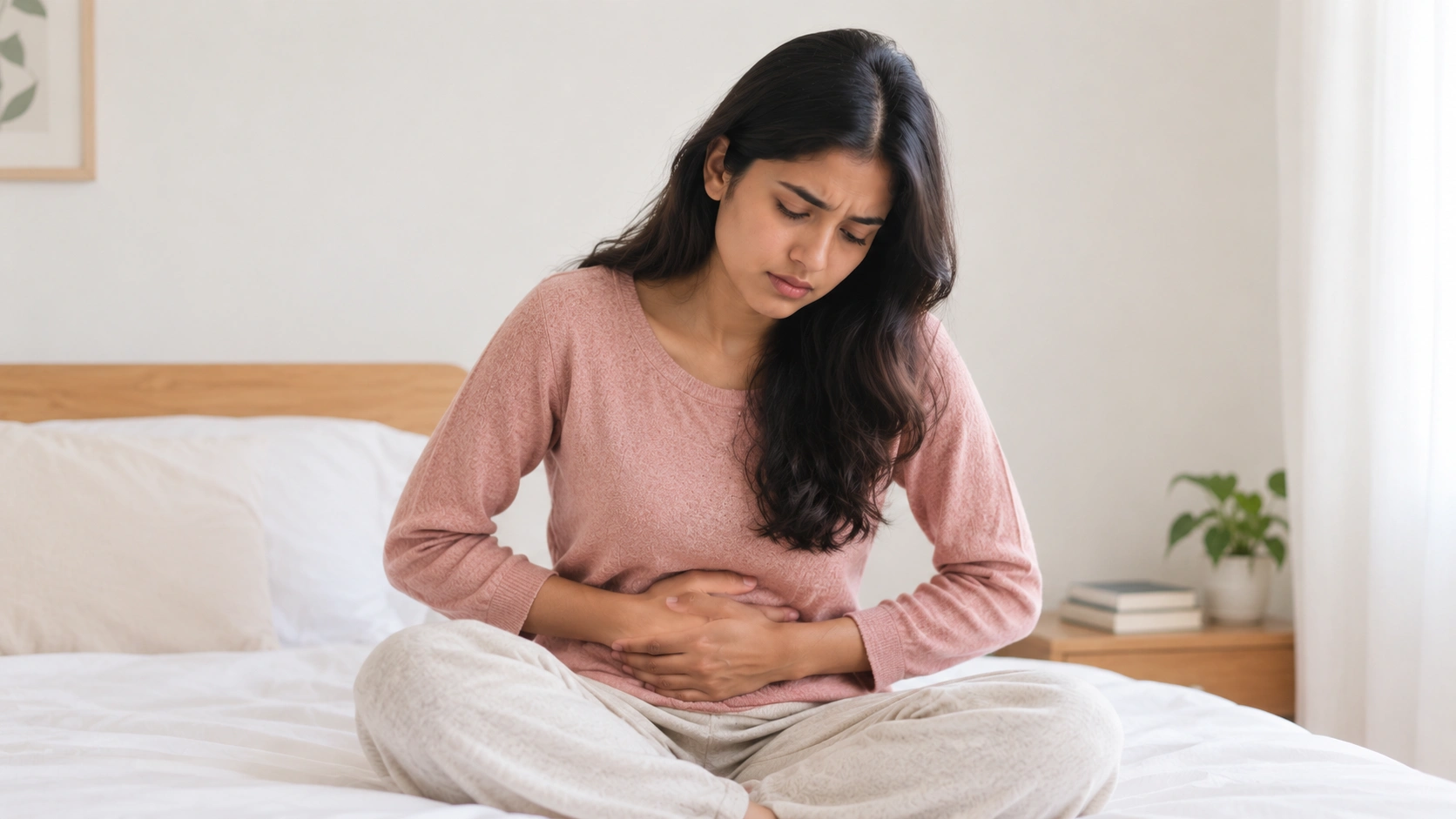
Cramps are often associated with periods, but pelvic pain can also occur around ovulation, several days before the next menstrual period. This type of pain is known as ovulation pain or mittelschmerz.
Because ovulation cramps and period cramps can feel similar, it is easy to mistake one for the other. However, their timing, location, duration and accompanying symptoms can offer useful clues.
While period cramps are caused primarily by contractions of the uterus during menstruation, ovulation cramps occur around the time an ovary releases an egg. Understanding what happens during ovulation can help explain why this pain occurs and when it may need medical attention.
What are Ovulation Cramps?
Ovulation cramps are lower abdominal or pelvic pain that occurs around the time of ovulation.
Ovulation is the stage of the menstrual cycle when an ovary releases a mature egg. The exact timing varies between individuals and between cycles. It does not necessarily occur on day 14; in many people, ovulation occurs approximately 10 to 16 days before the next period.
Are ovulation cramps more common in certain age groups?
Ovulation cramps can occur during the reproductive years, but the frequency and intensity of ovulation pain can vary considerably between individuals.
Ovulation pain may feel like:
A dull ache or pulling sensation
A mild cramp
A sudden sharp or stabbing twinge
Intermittent pain that comes and goes
Pain or discomfort on one side of the lower abdomen
The pain may occur on the right or left side and can vary from cycle to cycle. Some women may also notice light vaginal spotting or increased cervical discharge around ovulation.
Not everyone experiences ovulation pain and having no pain does not indicate that ovulation has not occurred.
What Happens in the Body During Ovulation?
Before ovulation, an egg develops inside a fluid-filled sac called a follicle. As the follicle matures, it eventually ruptures and releases the egg. These changes in and around the ovary may contribute to the pelvic pain some people experience as ovulation cramps.
The exact reason some people feel pain during this process is not fully established. The stretching of the follicle as it grows and the changes associated with its rupture and release of fluid may contribute to irritation of the surrounding tissues, resulting in pelvic pain.
This is why ovulation pain can occur suddenly and may be felt more strongly on the side of the ovary involved.
What are the Signs and Symptoms of Ovulation Cramps?
The most characteristic feature of ovulation cramps is their timing around the middle of the menstrual cycle.
Common features include:
One-sided lower abdominal or pelvic pain
A dull, aching or sharp sensation
Pain that starts suddenly or gradually
Pain lasting from a few minutes to several hours, sometimes up to 1–2 days
Light spotting in some people
Changes in vaginal or cervical discharge
Some people may also experience mild nausea or lower back discomfort when the pain is more intense.
Because symptoms can overlap with other causes of pelvic pain, the timing and recurring pattern across menstrual cycles are particularly useful.
How are Ovulation Cramps Different From Period Cramps?
The biggest difference is when the pain occurs.
Timing
Ovulation cramps: Around ovulation, often 10-16 days before the next period.
Period cramps: Usually just before or during menstruation.
Location
Ovulation cramps: Often one side of the lower abdomen.
Period cramps: Usually lower abdomen and may spread to the back or thighs.
Sensation
Ovulation cramps: Dull ache, pulling sensation or sharp twinge.
Period cramps: Cramping, aching or throbbing pain.
Duration
Ovulation cramps: Minutes to several hours; sometimes up to 1–2 days.
Period cramps: Often last for the first few days of menstruation.
Associated signs
Ovulation cramps: May occur with light spotting or cervical discharge.
Period cramps: Usually occur with menstrual bleeding.
These differences can help identify a pattern, but they cannot confirm the cause of pelvic pain on their own.
Can Ovulation Cramps Happen Every Month?
Yes. Some women experience ovulation pain regularly, while others experience it only occasionally or never.
The pain may also occur on different sides in different cycles. This can happen because either ovary may release an egg, although ovulation does not necessarily alternate between the ovaries in a predictable left-right pattern.
If pain consistently occurs around the same point in the menstrual cycle and remains mild and short-lived, it may fit the pattern of ovulation cramps. However, increasing, persistent or severe pain should not automatically be attributed to ovulation.
Is ovulation pain a reliable way to know when ovulation occurs?
No. Although its timing may coincide with ovulation, not everyone experiences ovulation pain and pelvic pain alone cannot reliably confirm ovulation.
Can Ovulation Cramps be Managed Without Treatment?
Mild ovulation pain often settles without treatment. Simple measures such as applying a heating pad or hot-water bottle to the lower abdomen, taking a warm bath and getting adequate rest may help ease discomfort.
Gentle movement may also be comfortable for some people, although there is no need to exercise through pain. Keeping track of the menstrual cycle can be useful as well, particularly when pain recurs around the same time each month.
For women who experience frequent or severe ovulation pain, a healthcare professional may discuss treatment options. Hormonal contraceptives can prevent ovulation and may therefore prevent ovulation pain, but they are not suitable for everyone. The choice depends on individual health factors, contraceptive needs and preferences, and potential side effects should be discussed with a healthcare professional.
What Natural Remedies Help With Ovulation Cramps?
For mild discomfort, non-drug approaches such as heat therapy, warm baths, rest and gentle physical activity can form part of a supportive home-care routine.
Cannabinoid-based medicines are also being studied for their potential role in managing pain, including some forms of pelvic and menstrual pain. However, evidence specifically for ovulation cramps remains limited, and such medicines should only be considered under appropriate medical guidance.
When Could Ovulation Pain Indicate Something Else?
Not every mid-cycle pelvic pain is ovulation pain. Conditions including ovarian cysts, endometriosis, pelvic inflammatory disease, sexually transmitted infections and ectopic pregnancy can produce symptoms that may resemble ovulation pain.
What is ectopic pregnancy?
An ectopic pregnancy occurs when a fertilised egg implants outside the uterus, most commonly in a fallopian tube. It can cause pelvic or abdominal pain and requires urgent medical assessment.
Medical assessment is particularly important when pain is:
Severe or suddenly becomes intense
Persistent or keeps returning with increasing severity
Not relieved by usual pain-relief measures
Accompanied by fever, vomiting or pain while urinating
Associated with heavy or unusual vaginal bleeding
Accompanied by dizziness or fainting
Occurring when pregnancy is possible
Sudden or severe pelvic pain during a possible pregnancy requires prompt medical attention because an ectopic pregnancy can cause pelvic or abdominal pain and requires urgent assessment.
Can ovulation cramps be a sign of pregnancy?
Ovulation cramps occur before conception and are not a sign of pregnancy. However, pelvic pain when pregnancy is possible should not automatically be attributed to ovulation.
How Does Tracking Ovulation Pain Help?
A menstrual and symptom diary can help establish whether pain follows a consistent cycle pattern. Note the first day of each period, approximate cycle length, date and location of pain, severity, duration and any associated spotting or discharge.
Over several cycles, this may reveal whether the pain occurs around the expected time of ovulation or closer to menstruation. It can also give a healthcare professional useful information when investigating recurring pelvic pain.
Conclusion
Ovulation cramps, or mittelschmerz, are a relatively common form of mid-cycle pelvic pain and are usually short-lived. Their characteristic timing, often one-sided location and brief duration can help distinguish them from period cramps.
However, pain that is severe, persistent, progressively worsening or accompanied by other concerning symptoms should not simply be attributed to ovulation. Recognising the difference between typical ovulation discomfort and symptoms that need medical evaluation is an important part of understanding menstrual and reproductive health.
Also watch:
Key Takeaways
- - Ovulation cramps occur around ovulation, while period cramps occur just before or during menstruation.
- - Ovulation pain is often one-sided and may feel like a dull ache, cramp or sharp twinge.
- - Heat, rest and gentle movement may help manage mild ovulation cramps.
- - Severe, persistent or unusual pelvic pain should be medically evaluated.
- - Tracking cycle timing and symptoms can help identify recurring ovulation pain patterns.