

Endometriosis vs Adenomyosis: How Are They Different?


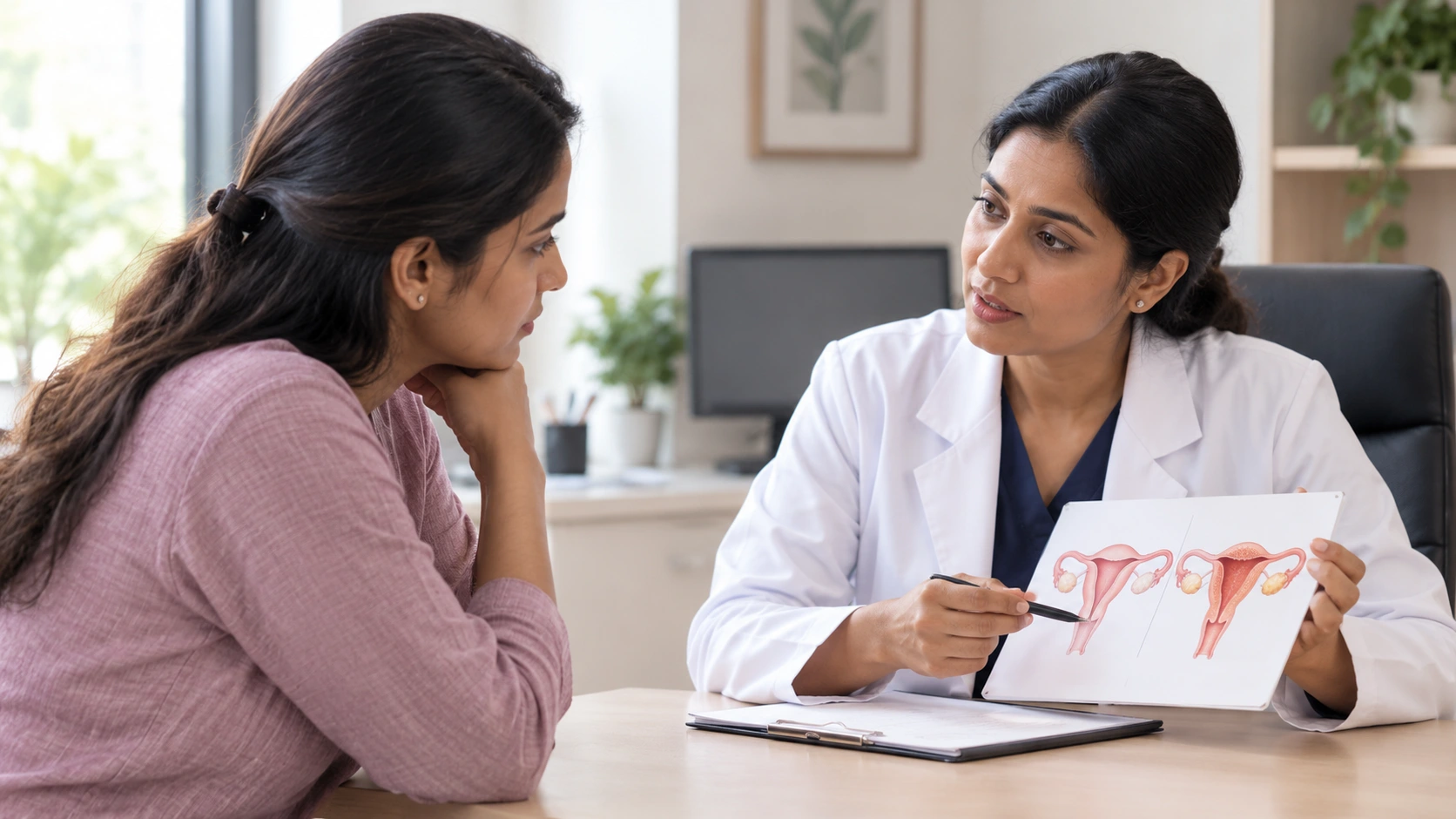
Endometriosis and adenomyosis are two gynaecological conditions that can cause painful periods, pelvic pain and fertility difficulties. Although their symptoms often overlap, they affect different parts of the uterus and surrounding reproductive organs.
Understanding the differences between endometriosis and adenomyosis can help with recognising symptoms, seeking timely diagnosis and exploring suitable treatment options.
What Is the Difference Between Endometriosis and Adenomyosis?
Endometriosis and adenomyosis both involve tissue similar to the uterine lining, but they differ in where it occurs and how it affects the body.
Location: Endometriosis involves tissue similar to the uterine lining growing outside the uterus, often around the ovaries, fallopian tubes and pelvic lining. Adenomyosis occurs when similar tissue is found within the muscular wall of the uterus.
Effect on the body: Endometriosis can cause inflammation, ovarian cysts and scar tissue. Adenomyosis can cause the uterus to become enlarged, tender and painful.
Menstrual symptoms: Both can cause painful periods. However, heavy or prolonged menstrual bleeding is particularly common in adenomyosis, while endometriosis may also cause pain during bowel movements or urination, especially around menstruation.
Impact on fertility: Both conditions may affect fertility, although many people with either condition can conceive.
Can both Endometriosis and Adenomyosis occur together?
Yes. Endometriosis and adenomyosis can coexist, and some women may experience symptoms of both conditions. Neither condition always causes noticeable symptoms.
What Are the Symptoms of Endometriosis and Adenomyosis?
Although both conditions can cause pelvic pain and painful periods, certain symptoms may help distinguish between them.
Common symptoms of endometriosis include:
Severe menstrual cramps that interfere with daily activities.
Chronic pelvic or lower back pain.
Pain during or after sexual intercourse.
Pain during bowel movements or urination, particularly around menstruation.
Bloating, fatigue and difficulty getting pregnant.
Common symptoms of adenomyosis include:
Heavy or prolonged menstrual bleeding.
Severe menstrual cramps.
Persistent pelvic pain or tenderness.
Abdominal bloating, heaviness or fullness.
Pain during sexual intercourse.
These symptoms are not exclusive to either condition. Some women experience few or no symptoms, making medical assessment important when concerns persist.
How Are Endometriosis and Adenomyosis Diagnosed?
Diagnosis begins with a review of menstrual history, symptoms and medical history, followed by a clinical examination when appropriate.
For endometriosis, a pelvic ultrasound or MRI may identify ovarian cysts or certain forms of the disease. However, normal imaging does not rule out endometriosis. Laparoscopy, a minimally invasive surgical procedure, may be used to confirm the diagnosis when clinically appropriate.
For adenomyosis, transvaginal ultrasound is commonly used to examine the uterine muscle. An MRI may help clarify the diagnosis when ultrasound findings are uncertain.
What is the difference between a transvaginal ultrasound and an MRI?
A transvaginal ultrasound uses a probe inserted into the vagina to produce images of the uterus and nearby reproductive organs. An MRI uses magnetic fields and radio waves to create detailed images and may help clarify findings when an ultrasound is inconclusive.
Because the conditions can coexist, a gynaecologist may need to assess for both rather than assume that one diagnosis explains every symptom.
Does Treatment Differ Between Endometriosis and Adenomyosis?
Yes. Although both conditions may be managed with pain relief and hormonal treatment, the approach differs depending on where the tissue grows, the symptoms experienced and whether pregnancy is a consideration.
Treatment options for endometriosis may include:
Pain relief: Heat therapy, gentle physical activity, pelvic floor physiotherapy and natural supplements, including anti-inflammatory or cannabinoid-based medications, may help manage pelvic pain and muscle tension.
Lifestyle approaches: Regular physical activity, adequate sleep and a balanced diet may support overall well-being and help manage symptoms.
Surgery: Laparoscopic surgery may be recommended to remove endometriosis lesions, ovarian cysts or adhesions, depending on the severity of the condition and individual needs. Symptoms may recur after surgery.
Can endometriosis return after surgery?
Yes. Endometriosis symptoms or lesions may recur after surgery. The likelihood depends on factors such as the extent of the disease, the procedure performed and subsequent management.
Treatment options for adenomyosis may include:
Pain management: Heat therapy and gentle physical activity may help ease menstrual cramps and pelvic discomfort.
Lifestyle approaches: Regular exercise, adequate rest and a balanced diet may support overall well-being and help manage discomfort.
Surgery: Hysterectomy, which involves removing the uterus, is a definitive treatment for adenomyosis when other options are unsuitable or ineffective. It permanently ends the ability to carry a pregnancy.
Key differences include:
Treatment for endometriosis may involve removing tissue growing outside the uterus, whereas adenomyosis treatment often focuses on controlling heavy bleeding and pain arising from the uterine muscle. However, treatment plans can overlap, and surgery is not necessary for everyone.
The best approach depends on symptom severity, medical history, treatment response and reproductive goals. A gynaecologist can help determine the appropriate options.
Can Endometriosis and Adenomyosis Affect Fertility?
Yes, both conditions may affect fertility, although many people with either condition can become pregnant.
Endometriosis may affect fertility through inflammation, ovarian involvement or scar tissue that interferes with reproductive organs. Adenomyosis has also been associated with reduced fertility and adverse pregnancy outcomes, although the effects vary.
Anyone experiencing difficulty conceiving alongside persistent pelvic pain or heavy periods should discuss these symptoms with a gynaecologist. Treatment decisions should consider both symptom relief and reproductive goals.
When to Seek Medical Advice for Endometriosis or Adenomyosis?
Severe period pain should not automatically be considered normal. Medical assessment is advisable when menstrual pain disrupts daily activities, bleeding becomes unusually heavy, pelvic pain persists, or pain during sex affects quality of life.
Endometriosis and adenomyosis are different conditions, but both deserve timely attention. Recognising the symptoms and obtaining an appropriate diagnosis can help guide treatment, improve symptom management and support reproductive health.
Also watch:
Key Takeaways
- - Endometriosis affects tissue outside the uterus, while adenomyosis occurs within the muscular wall of the uterus.
- - Both conditions can cause painful periods and pelvic pain, but heavy menstrual bleeding is more common in adenomyosis.
- - Ultrasound and MRI can help diagnose these conditions, although normal imaging does not rule out endometriosis.
- - Treatment depends on the condition and may include pain relief, hormonal therapy or surgery.
- - Both conditions may affect fertility, but many women with endometriosis or adenomyosis can conceive.