

What is Palliative Care?


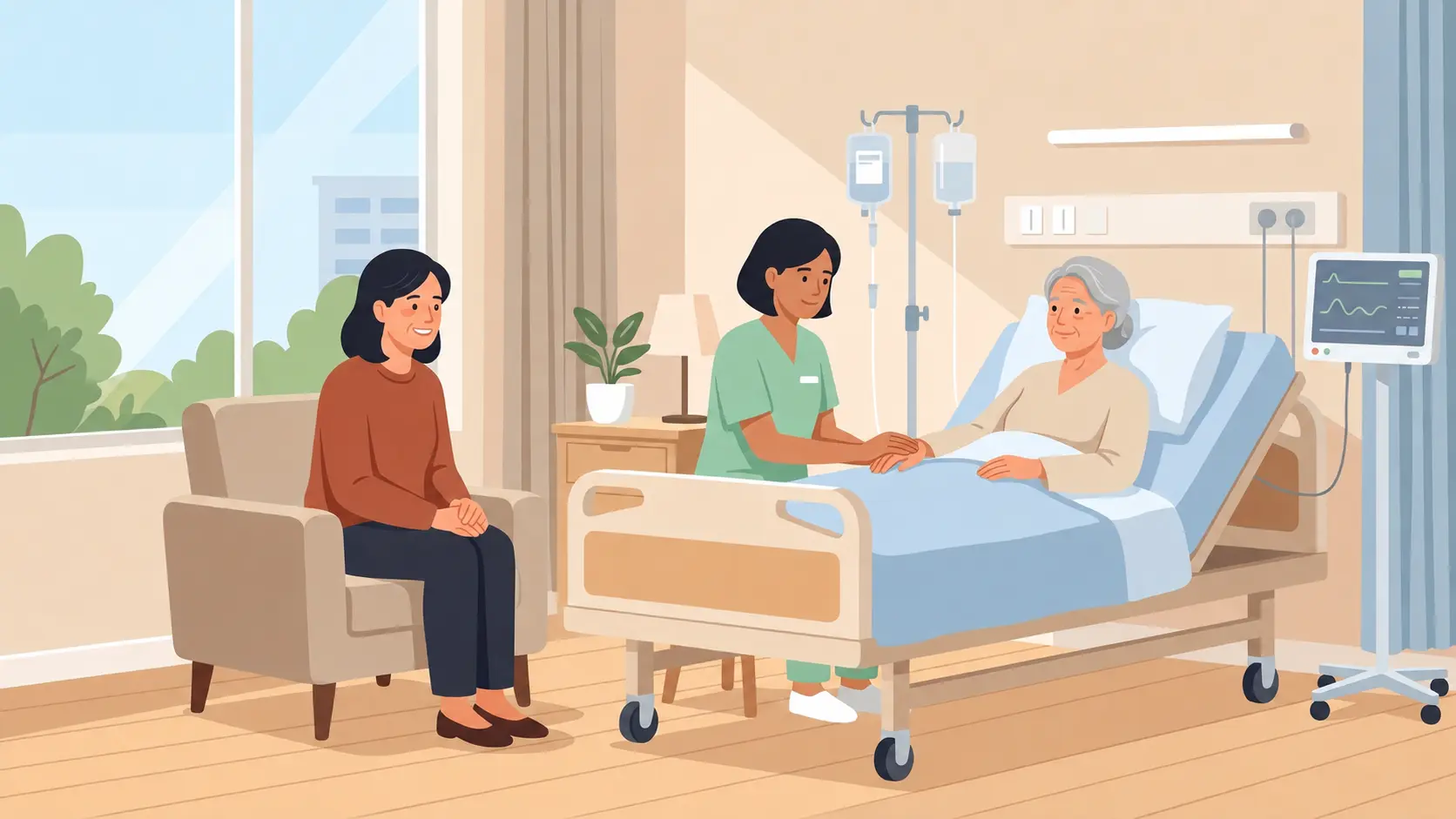
When someone is diagnosed with a serious illness, the focus often shifts immediately to treatment - tests, medications, procedures. But somewhere along the way, an equally important question gets overlooked: How is the person actually feeling through all of this?
That’s where palliative care comes in.
Often misunderstood as something reserved for the final stages of life, palliative care is actually about improving quality of life at any stage of illness. It supports people not just in surviving their condition, but in living through it with greater comfort, clarity and dignity.
What is Palliative Care?
Palliative care is a specialised branch of healthcare focused on improving the quality of life of people living with serious or chronic illnesses.
How is palliative care different from regular medical care?
While regular care focuses on treating the disease, palliative care focuses on improving the patient’s overall experience of living with it.
It aims to prevent and relieve suffering by addressing symptoms that affect physical comfort, emotional well-being and overall day-to-day functioning. This includes managing pain, breathlessness, nausea, fatigue, sleep disturbances, loss of appetite and other distressing symptoms that often accompany serious illness or intensive treatment.
What does distressing symptoms mean?
These are symptoms like pain, breathlessness or fatigue that significantly disrupt comfort and daily life.
But palliative care goes beyond symptom relief.
It also addresses the emotional, psychological and practical challenges that come with illness - helping patients cope with stress, fear, uncertainty and the impact that illness can have on relationships, work, independence and daily routines.
Importantly, palliative care is not about stopping treatment. It is designed to work alongside curative or life-prolonging therapies, making the treatment journey more manageable and patient-centred.
Who Can Benefit from Palliative Care?
Palliative care is not limited to one specific disease or condition. It can benefit anyone living with a serious illness that significantly affects quality of life, comfort or daily functioning.
This includes individuals with:
Cancer
Heart failure
Chronic kidney disease
Chronic lung diseases such as COPD
Neurological conditions like Parkinson’s disease or multiple sclerosis
Advanced liver disease
Dementia, other progressive cognitive disorders
Long-term chronic pain conditions
Palliative care is also valuable for people undergoing aggressive treatments such as chemotherapy, radiation, major surgeries or long-term hospitalisation, where managing side effects and maintaining quality of life becomes essential.
What determines the need for palliative care is not just the diagnosis, but the level of symptom burden and how much the illness is affecting the person’s physical and emotional well-being.
What is symptom burden?
It is the overall impact of physical and emotional symptoms on a person’s daily life.
When Should Palliative Care Begin?
One of the most common misconceptions about palliative care is that it begins only when treatment options are exhausted. In reality, palliative care is most effective when introduced early.
It can begin at the time of diagnosis of a serious illness and continue alongside active treatment throughout the course of care.
Early palliative care helps:
Improve symptom control before discomfort becomes severe
Reduce emotional stress and anxiety
Support better communication between patients, families and doctors
Help patients make informed treatment decisions
Improve overall quality of life during treatment
What does “quality of life” mean in palliative care?
It refers to improving comfort, emotional well-being and the ability to carry out daily activities despite illness.
Research has shown that early integration of palliative care can lead to better patient outcomes, fewer emergency hospital visits and improved emotional resilience for both patients and caregivers.
Rather than being a last resort, it should be viewed as an added layer of support from the beginning.
What Does Palliative Care Actually Involve?
Palliative care is holistic in nature, meaning it addresses the complete experience of illness rather than focusing only on the disease itself.
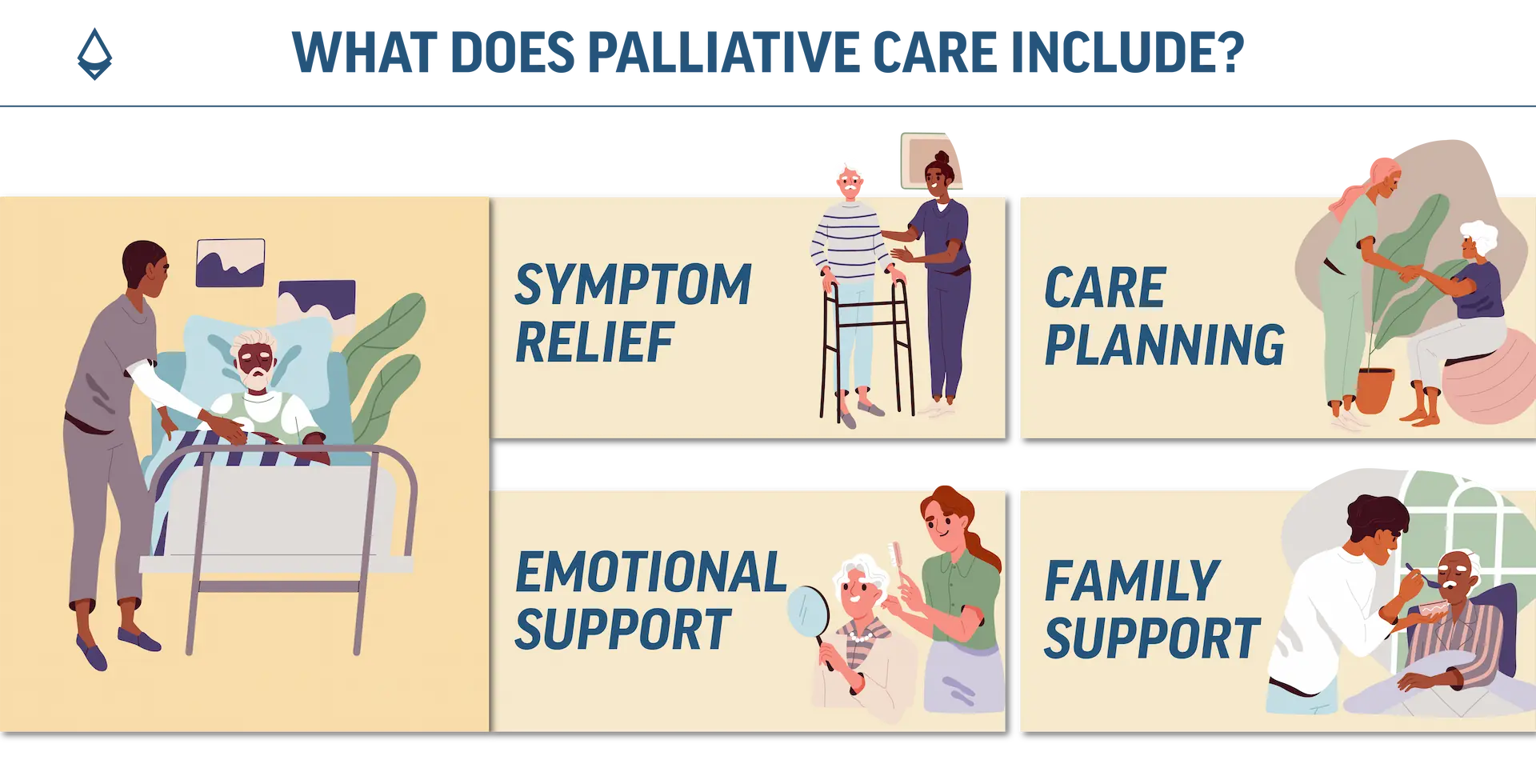
Symptom management:
This involves identifying, assessing and treating physical symptoms such as pain, breathlessness, nausea, constipation, fatigue, weakness, insomnia and loss of appetite. Symptom management is highly personalised and adjusted based on the individual’s condition, treatment plan and comfort levels.
Emotional and psychological support:
Serious illness often brings fear, uncertainty, sadness and frustration. Palliative care teams help patients process these emotions through counselling, coping strategies and ongoing supportive conversations.
Communication and care planning:
Patients are often faced with complex treatment choices. Palliative care helps them better understand their options, clarify their goals and ensure that care decisions align with what matters most to them. It also supports families, helping them navigate caregiving responsibilities, understand changing health needs and feel more prepared throughout the care journey.
What is the Difference Between Palliative Care and Hospice Care?
These terms are often confused, but they are not the same.
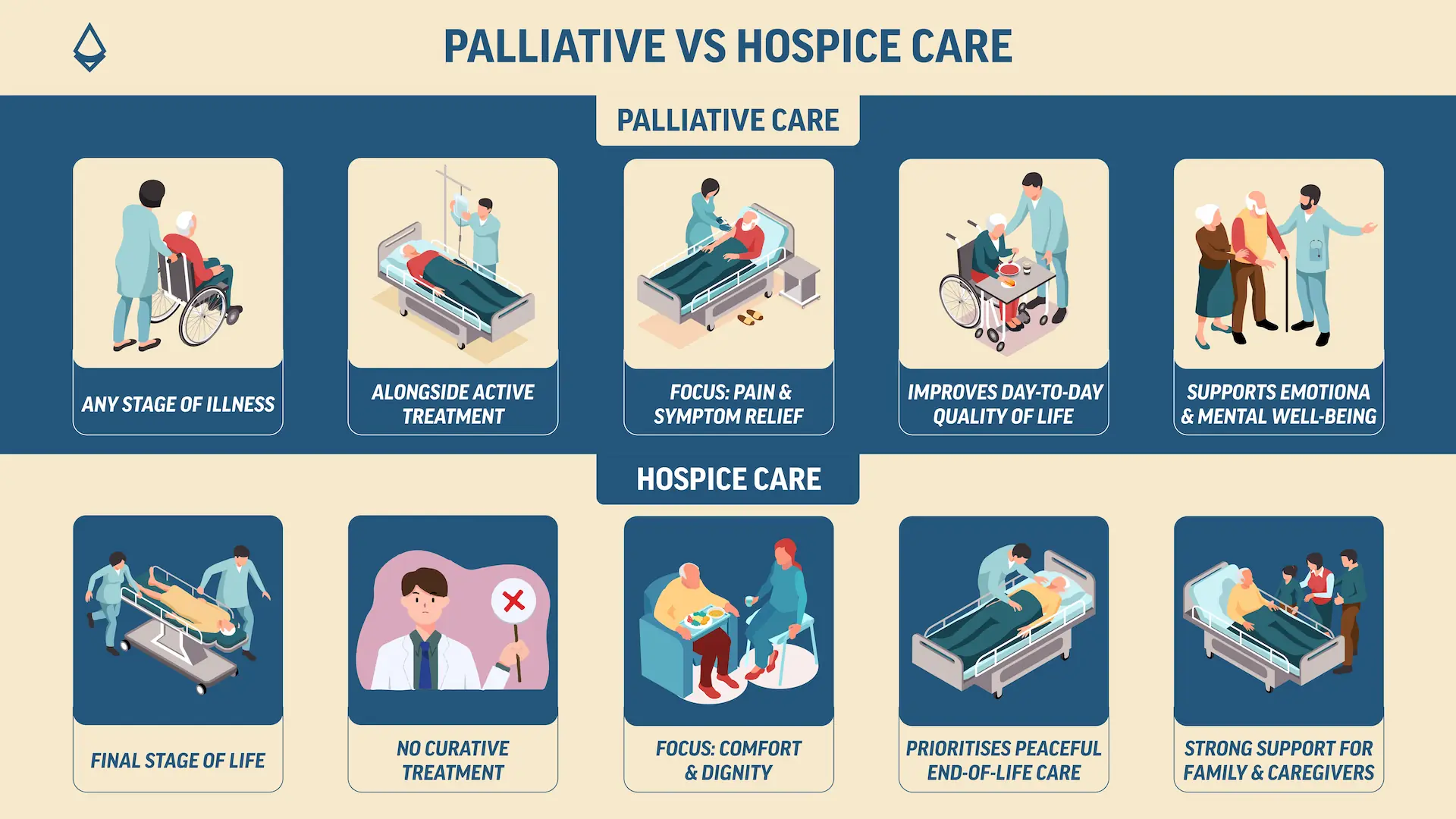
Palliative care can be provided at any stage of a serious illness, including during active treatment aimed at recovery or disease control.
Hospice care, on the other hand, is a specific type of palliative care that is typically offered when curative treatment is no longer being pursued and the focus shifts entirely to comfort and quality of life.
The key difference lies in timing and treatment goals.
Palliative care supports patients through all stages of serious illness. Hospice care is generally reserved for the final phase when life expectancy is limited. Understanding this distinction is important because confusion around these terms often delays access to valuable supportive care.
Is Palliative Care and End-of-Life Care the Same?
Palliative care and end-of-life care are often confused, but they are not the same. Palliative care is a broader approach that can begin at any stage of a serious illness and is provided alongside ongoing treatment to improve comfort, manage symptoms and support overall well-being.
End-of-life care, on the other hand, is a specific phase within palliative care that focuses on the final stage of life, when the priority shifts entirely to comfort, dignity and quality of remaining time rather than curative treatment. And hospice care falls under end-of-life care, but end-of-life care can exist even outside a formal hospice setting.
What is a “hospice setting”?
It is a specialised care environment focused entirely on comfort and quality of life in the final stage.
What Are the Different Settings for Palliative Care?
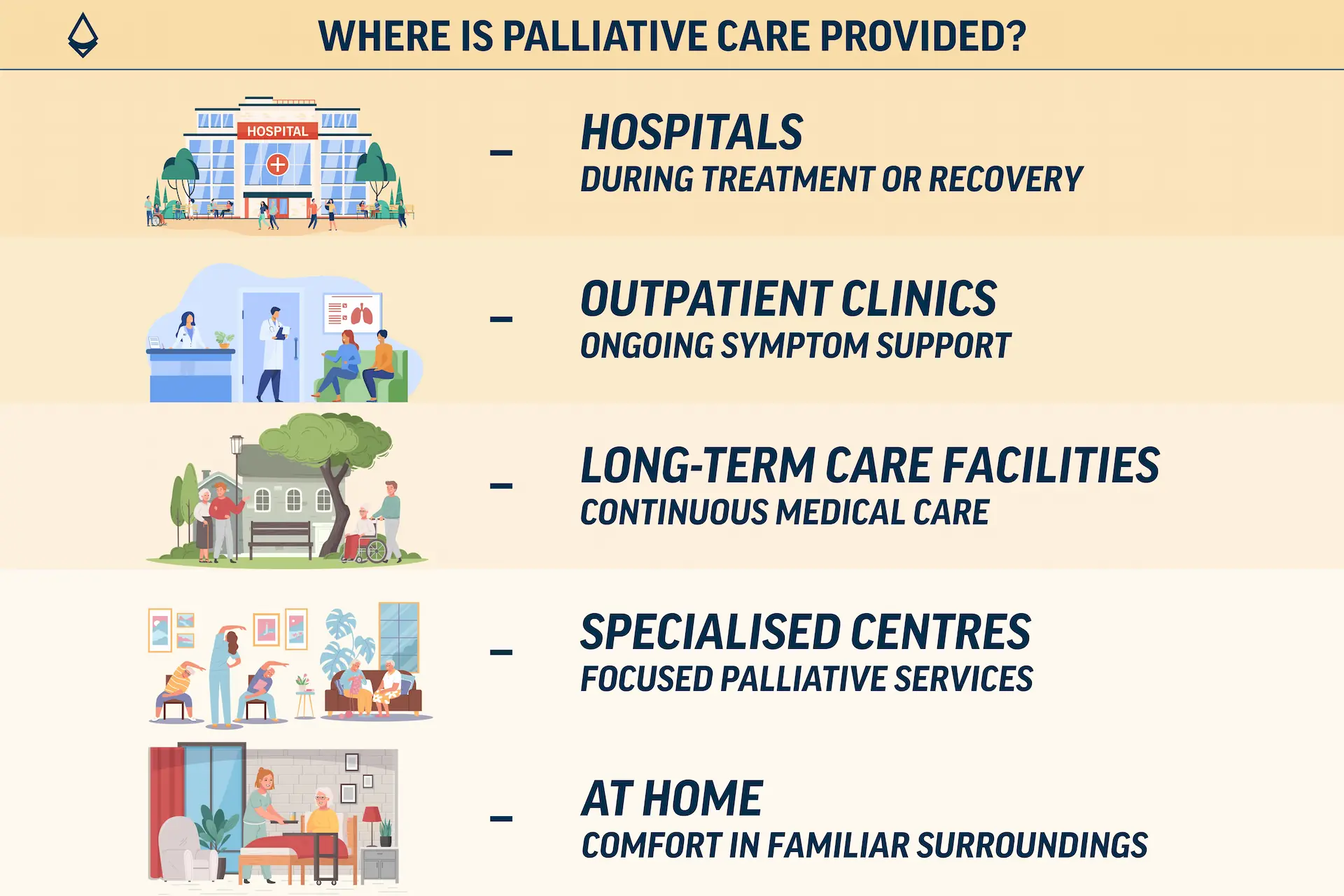
Palliative care can be delivered in different settings depending on the patient’s needs and condition.
It may be provided in:
Hospitals during treatment or recovery
Outpatient clinics for ongoing symptom management
Long-term care facilities
Specialised palliative care centres
At home through home-based care services
Home-based palliative care is particularly beneficial for patients who are more comfortable in familiar surroundings or who have difficulty travelling frequently for medical visits.
The flexibility of palliative care allows support to be tailored around what is most practical and comfortable for the patient.
How is Palliative Care Delivered?
Palliative care is delivered through a multidisciplinary team approach.
This often includes doctors, nurses, counsellors, psychologists, social workers and rehabilitation professionals working together to address different aspects of the patient’s needs.
Each specialist contributes a different layer of support:
Doctors focus on symptom relief and medical planning.
Nurses monitor comfort and day-to-day care needs.
Counsellors and psychologists provide emotional support.
Social workers help families navigate practical and social challenges.
This collaborative model ensures that care is comprehensive, coordinated and centred around the individual.
Why Palliative Care Matters More Today?
With increasing life expectancy and rising rates of chronic illness, more people are living longer with complex health conditions. While medical advances have improved survival, they have also increased the need for supportive care that helps people manage symptoms and maintain quality of life over time.
Palliative care fills this gap. It helps reduce unnecessary suffering, improves comfort, supports better decision-making and ensures that healthcare remains focused on the person, not just the illness.
It also reduces the burden on healthcare systems by preventing avoidable hospital admissions and improving continuity of care.
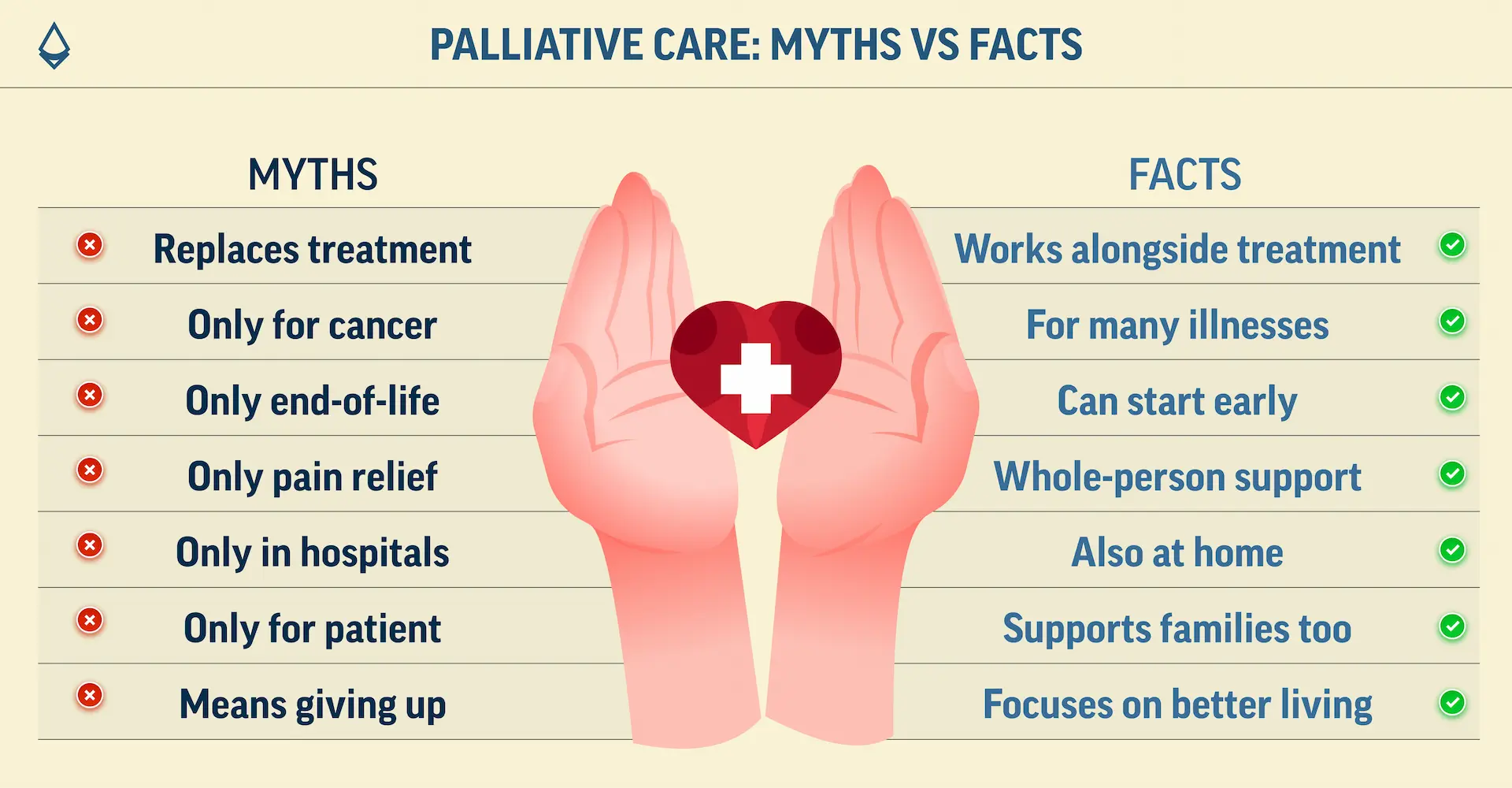
What are Some Common Misconceptions Around Palliative Care?
Despite its importance, palliative care is still widely misunderstood.
Palliative care does not replace treatment. It works alongside it.
Palliative care benefits people with many different serious illnesses and not just cancer.
Palliative care is not only for end-of-life situations, but it can begin early and continue for months or even years.
Palliative care is not only for pain management, but it addresses emotional, psychological and practical challenges as well.
These misconceptions often prevent people from accessing support when they need it most.
How Can Supportive and Natural Approaches Be Integrated into Palliative Care?
Modern palliative care increasingly recognises the value of supportive therapies that complement medical treatment.
Approaches such as guided relaxation, mindfulness, breathing practices, nutritional support and gentle movement can help improve overall comfort and reduce stress.
In some cases, plant-based cannabinoid formulations are considered for their potential role in managing chronic pain, sleep disturbances and anxiety through their interaction with the body’s endocannabinoid system.
These approaches should always be considered under the guidance of a healthcare expert as part of an integrated care plan.
Final Thoughts
Palliative care is not about the end of life but about improving life during illness. It ensures that care goes beyond treatment to include comfort, emotional support, symptom relief and better quality of life at every stage of the journey.
The earlier it is introduced, the greater its impact can be. Because beyond every diagnosis is a person and palliative care ensures that person is never overlooked.
Key Takeaways
- - Palliative care focuses on improving quality of life, not just treating disease. It can begin early, right from diagnosis, not just at end-of-life stages.
- - It supports physical, emotional and psychological well-being together.
- - It works alongside ongoing treatments, not as a replacement.
- - It helps patients and families navigate complex medical journeys with clarity.
- - The goal is simple: reduce suffering and help people live more comfortably and meaningfully.