

What is Elderly Palliative Care?



Ageing brings wisdom, memories and lots of life experience - but for many older adults, it can also bring chronic illness, pain, reduced mobility and emotional challenges that slowly affect everyday life. Conditions such as cancer, arthritis, dementia, Parkinson’s disease, cardiovascular and respiratory diseases often become more difficult to manage with age, especially when multiple illnesses exist together.
Why do elderly patients often experience multiple symptoms together?
Ageing and chronic illnesses can affect several body systems at once, which is why pain, fatigue, poor sleep, appetite changes and emotional stress often occur together.
In such situations, healthcare is not only about treating a disease anymore. It becomes about helping a person feel comfortable, supported, emotionally secure and able to live with dignity. This is where palliative care for the elderly plays a meaningful role.
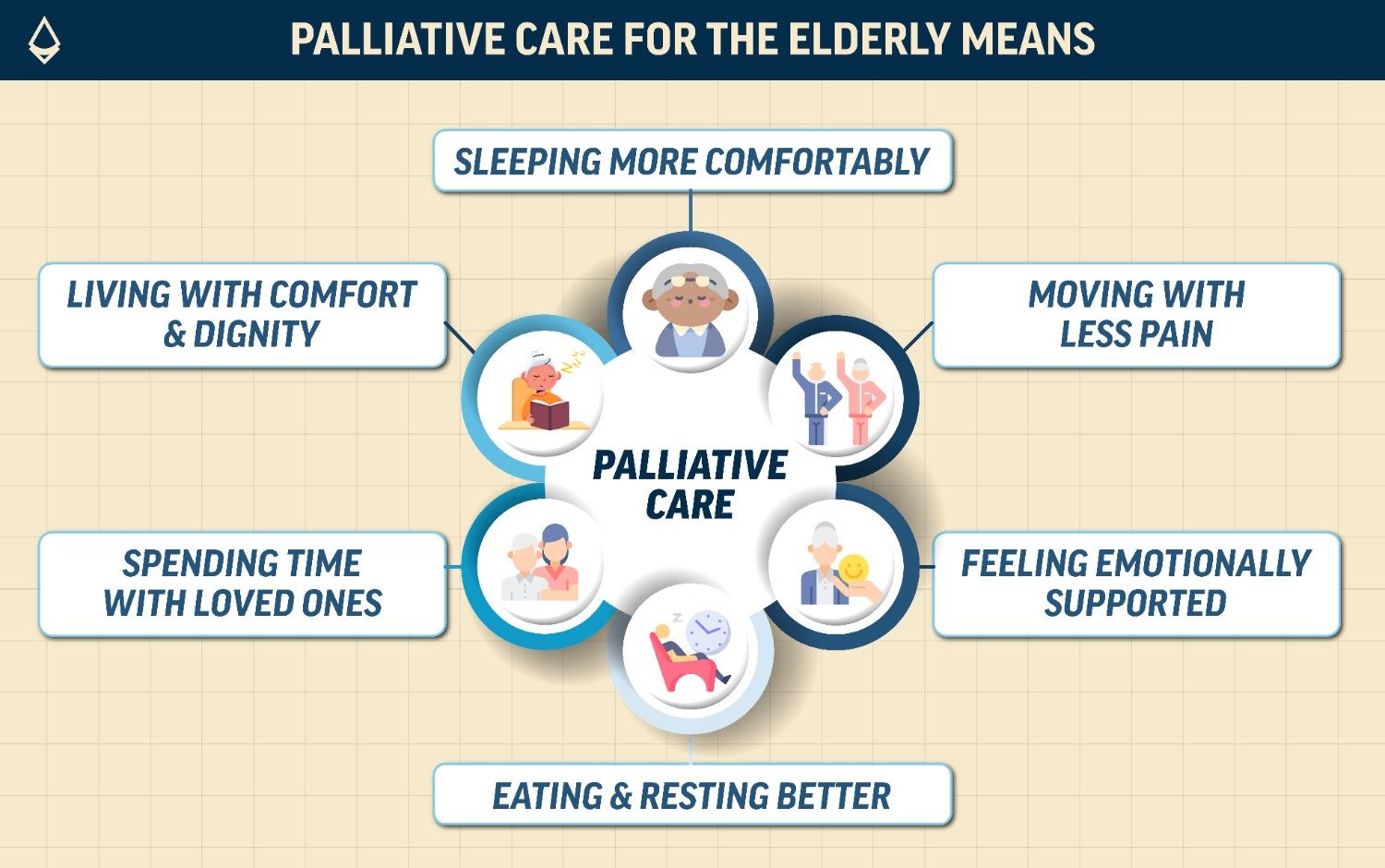
Palliative care is often misunderstood as care only provided during the final stages of life. In reality, it is supportive medical care that can begin much earlier, even while ongoing treatments continue. Its primary goal is to improve quality of life by helping elderly individuals manage symptoms, emotional distress and the everyday difficulties that may come with serious or long-term illnesses.
Why Does Elderly Care Require a Different Approach?
The ageing body responds differently to illness, stress and treatment. Recovery may become slower, medications may affect the body more strongly and even small health issues can significantly impact mobility, sleep, appetite, or mental well-being.
Why is mobility so important in elderly palliative care?
Reduced movement over time can affect muscle strength, balance, sleep, mood, circulation and overall confidence in performing everyday activities.
Many elderly individuals also experience a combination of symptoms rather than a single concern. Chronic pain may lead to disturbed sleep, poor sleep can increase fatigue and fatigue may worsen emotional stress or anxiety. This interconnected cycle can gradually reduce independence and overall well-being.
Palliative care focuses on understanding these overlapping challenges instead of treating symptoms in isolation. The idea is not simply to add years to life, but to improve comfort and ease during those years.
What Does Elderly Palliative Care Actually Help With?
One of the biggest strengths of palliative care is that it looks beyond the illness itself. It focuses on the physical, emotional and psychological impact a condition may have on a person’s daily life.
For elderly patients, palliative care commonly helps with:
Pain and physical discomfort
Fatigue and weakness
Sleep disturbances
Reduced appetite
Breathlessness and nausea
Emotional distress and anxiety
Mobility-related challenges
Simple interventions can often make a meaningful difference. Better pain management may improve sleep. Improved sleep may help energy levels and mood. Emotional support may improve appetite and social interaction. Small improvements across different areas of health can collectively significantly improve quality of life.
How Does Palliative Care Support Emotional Well-being?
Emotional health is one of the most overlooked aspects of ageing and chronic illness.
Many elderly individuals silently experience frustration, grief, anxiety, or emotional exhaustion as their physical abilities change. Some may feel isolated due to limited mobility or reduced social interaction, while others may worry about becoming dependent on family members for everyday activities.
Palliative care recognises that emotional suffering deserves just as much attention as physical pain. Supportive communication, counselling, family involvement and compassionate caregiving can help elderly patients feel heard, respected and emotionally secure.
Why is emotional well-being important in chronic illness?
Emotional stress, loneliness, anxiety and grief can directly affect sleep, appetite, pain perception, energy levels and overall recovery in elderly individuals.
In many cases, emotional comfort directly affects physical well-being, too. Reduced stress levels may improve sleep, appetite, pain perception and overall motivation.
How Important are Caregivers in Elderly Palliative Care?
Family caregivers often become the primary source of support for elderly patients, especially at home. However, caregiving can become physically and emotionally demanding over time. Managing medications, appointments, mobility support, emotional care and daily responsibilities together can lead to exhaustion and burnout.
Why do elderly patients become more sensitive to medications?
Ageing can slow down how the body processes medications, making older adults more vulnerable to side effects, drowsiness, or drug interactions.
Palliative care also supports caregivers by helping them better understand symptoms, manage stress and make informed healthcare decisions. When caregivers feel supported, patients often experience better care and emotional stability as well.
Can Symptom Management Improve Quality of Life?
Absolutely. This is one of the core principles of palliative care.
For many elderly patients, living comfortably becomes more important than aggressive interventions that may create additional physical strain. Managing symptoms effectively can help a person remain more active, socially connected, emotionally balanced and physically comfortable.
Approaches may include physiotherapy, nutritional support, relaxation techniques, gentle movement, sleep support, counselling and carefully monitored medications depending on the patient’s needs and medical condition.
In some palliative care settings, cannabinoid-based medications are also being explored under medical supervision to help support symptoms such as chronic pain, sleep disturbances, reduced appetite, or treatment-related discomfort in elderly patients.
The focus always remains on improving daily living rather than only treating a diagnosis.
Why is Early Palliative Care Important?
Many families wait until symptoms become severe before considering palliative care. However, introducing supportive care earlier can often improve long-term well-being and reduce unnecessary suffering.
Early palliative care may help elderly patients maintain better mobility, emotional health, symptom control and independence for longer periods. It can also help families feel more prepared, informed and supported throughout the healthcare journey.
Most importantly, it reminds elderly individuals that care is not only about managing illness but it is also about preserving dignity, comfort, emotional connection and quality of life at every stage of ageing.
Key Takeaways
- - Elderly palliative care focuses on improving comfort, dignity and overall quality of life.
- - It supports both physical symptoms and emotional well-being in older adults living with chronic illness.
- - Palliative care is not limited to end-of-life care and can begin alongside active treatment.
- - Supporting caregivers is an important part of effective elderly care.
- - Early symptom management and emotional support can significantly improve daily living for elderly patients.