

What Causes Varicose Veins? Risk Factors and Prevention


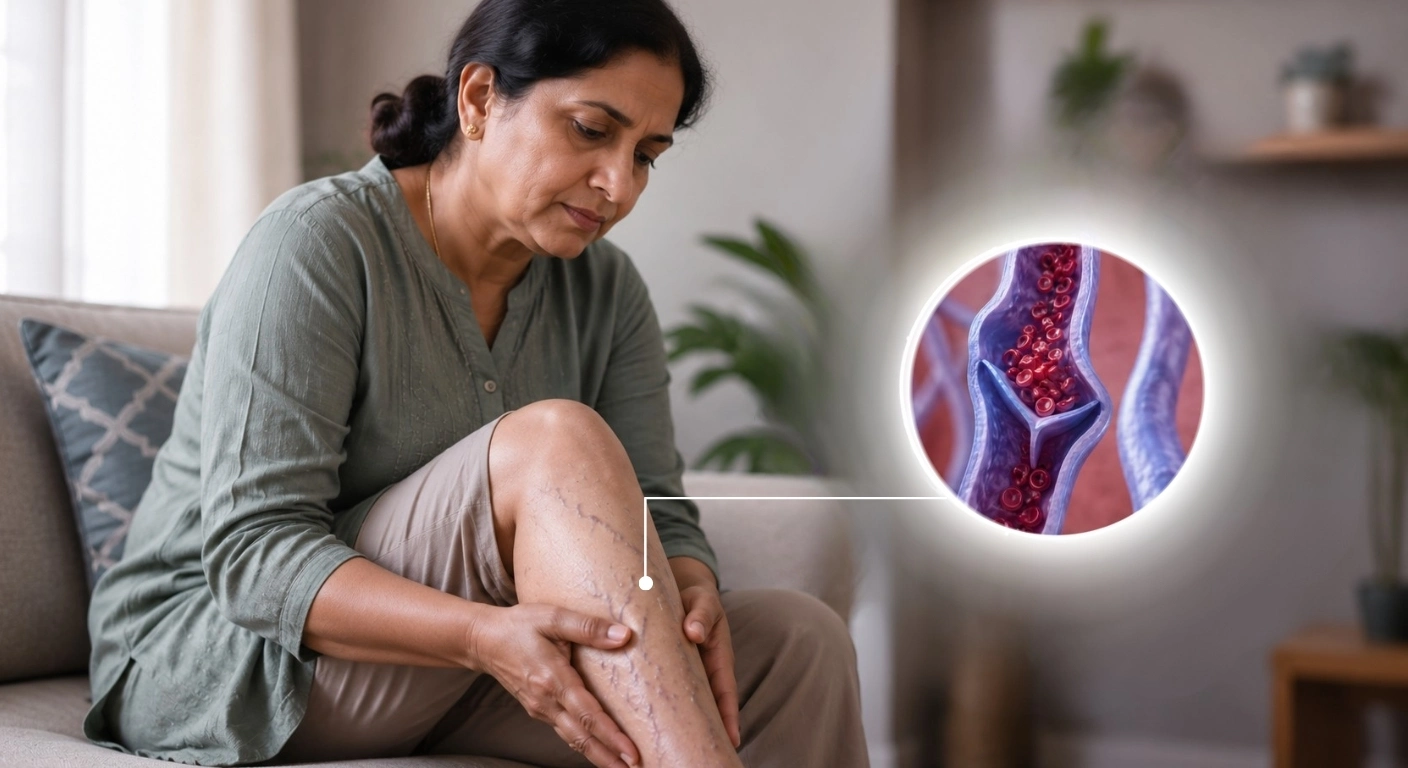
Varicose veins do not develop because of one single cause. They usually result from a combination of changes in the veins, inherited susceptibility and factors that increase pressure on the veins of the legs.
While some risk factors, such as age and family history, cannot be changed, others are linked to daily habits, occupation, pregnancy and overall vascular health. Understanding these factors can help identify who is more likely to develop varicose veins and what steps may help reduce the risk.
What Causes Varicose Veins to Develop in the First Place?
The development of varicose veins is closely linked to venous valve dysfunction. Healthy leg veins rely on one-way valves to keep blood moving towards the heart. When these valves become less effective, blood can move backwards and increase pressure within the veins.
What is venous valve dysfunction?
It occurs when the valves in the leg veins do not close properly, allowing blood to flow backwards and pool in the veins.
But valve dysfunction does not happen in isolation. The vein wall itself can become less elastic, while sustained pressure from the column of blood in the legs can contribute to progressive vein enlargement.
This means that varicose veins can develop gradually over years rather than appearing because of a single event.
Are varicose veins only a cosmetic problem?
Not always. While some are mainly cosmetic, others can cause aching, heaviness, itching, swelling or other symptoms.
A family history does not mean varicose veins are inevitable. It indicates greater susceptibility, making preventive habits and attention to early changes particularly relevant.
Why Does Age Increase the Risk of Varicose Veins?
Age is another important risk factor because veins undergo gradual structural changes over time. The valves may become less efficient and the walls of the veins can lose some of their elasticity. Years of standing, walking and exposure to gravitational pressure on the lower limbs can add to this process.
As a result, the likelihood of developing varicose veins generally increases with age. However, visible veins in older adults should still be considered alongside other risk factors rather than being attributed to ageing alone.
How Does Pregnancy Increase the Risk of Varicose Veins?
Yes, family history is one of the important risk factors for varicose veins. People with close relatives who have varicose veins may be more likely to develop them themselves.
Genetic factors may influence the strength and elasticity of vein walls as well as how effectively the venous valves function. This helps explain why some people develop prominent varicose veins despite having relatively few lifestyle risk factors.
Does Family History Increase the Risk of Varicose Veins?
Pregnancy creates several changes that can increase pressure on the veins of the legs.
Blood volume rises substantially during pregnancy, increasing the amount of blood returning through the venous system. At the same time, the growing uterus can put pressure on pelvic veins and make it harder for blood to travel back towards the heart.
Hormonal changes may also affect the walls of blood vessels. Varicose veins that appear during pregnancy may improve after childbirth, although they can persist, particularly after multiple pregnancies.
Can Prolonged Standing Increase the Risk of Varicose Veins?
Occupations involving long periods of standing can increase venous pressure in the lower limbs. Teachers, healthcare workers, retail employees, security personnel and others who spend much of the working day on their feet may therefore have greater exposure to this risk.
The issue is not standing itself but remaining in one position for prolonged periods without sufficient movement. Activating the calf muscles helps push blood upwards through the veins.
Regular movement breaks can therefore be useful, particularly during long work shifts.
Can Sitting for Long Periods Contribute to Varicose Veins?
Extended sitting can also reduce movement of the calf muscles and slow the normal pumping action that helps return blood from the lower legs.
This can be relevant for people who spend several hours at a desk, drive for long periods or have otherwise sedentary routines.
Useful strategies include:
Standing and walking at regular intervals
Moving the ankles and feet during prolonged sitting
Taking short walking breaks during work
Avoiding remaining in the same position for extended periods
These measures cannot eliminate inherited or age-related risk, but they can support healthier circulation.
Does Excess Body Weight Increase the Risk of Varicose Veins?
Excess body weight can place additional pressure on the venous system and may make it more difficult for blood to return efficiently from the legs. Higher body weight is also associated with reduced physical activity in some individuals, which can further reduce calf-muscle activity.
Maintaining a weight appropriate for overall health, alongside regular physical activity, can therefore be part of a broader strategy for reducing vascular risk.
Can varicose veins cause skin changes?
Yes. Long-standing vein problems may cause changes such as skin darkening, dryness or thickening around the lower legs.
Can Previous Blood Clots Lead to Varicose Veins?
Previous venous problems can also influence the development of chronic vein problems. A deep vein thrombosis (DVT) can damage the valves within affected veins. In some people, this can result in long-term changes in venous blood flow, sometimes referred to as post-thrombotic syndrome.
This is different from ordinary age- or lifestyle-related varicose veins and is one reason a history of blood clots is important when assessing new or worsening leg-vein problems.
Does Physical Inactivity Increase the Risk of Varicose Veins?
The leg muscles, particularly the calf muscles, play an important role in venous circulation. Every time the muscles contract during activities such as walking, they help push blood upwards.
A sedentary lifestyle means this muscle pump is activated less frequently. Activities that regularly engage the legs can therefore support venous circulation. Walking is particularly accessible, while cycling, swimming and other forms of regular movement can also contribute to overall vascular health.
Which Varicose Vein Risk Factors Can Actually Be Prevented?
Not all risk factors can be modified. Age, genetics and pregnancy cannot be prevented, but several lifestyle-related contributors can be addressed. Preventive measures can focus on reducing prolonged immobility, maintaining regular physical activity and supporting a healthy body weight.
Can varicose veins disappear on their own?
Varicose veins usually do not disappear without treatment, although symptoms may vary over time.
Genetic susceptibility, ageing, pregnancy and previous venous disease can contribute even when someone follows a healthy lifestyle. Prevention should therefore focus on reducing modifiable risk and supporting healthy circulation, rather than promising that varicose veins can always be avoided.
Early attention to persistent leg changes can also be useful, particularly in people with multiple risk factors. In addition, cannabinoid-based medications are being used in selected settings for pain management as they have a potential role in managing certain pain-related symptoms. But healthcare professionals should guide their use.
Can Lifestyle Changes Slow the Development of Varicose Veins?
Lifestyle changes may help reduce factors associated with venous pressure and inactivity, although they cannot repair already damaged valves.
A practical approach includes regular leg movement, avoiding prolonged periods in one position, maintaining a healthy weight and staying physically active. For people with occupational risk, small changes throughout the day may be more realistic and sustainable than relying only on a single exercise session.
Key Takeaways
- - Varicose veins usually develop gradually, with venous valve dysfunction and increased pressure playing central roles.
- - Age and family history can increase susceptibility, but they cannot be modified.
- - Pregnancy, prolonged sitting or standing, excess body weight, physical inactivity and previous venous disease can also contribute to risk.
- - Regular movement and reducing prolonged periods of immobility can support healthy venous circulation.
- - Varicose veins cannot always be prevented, so prevention should focus on modifiable risks rather than promising complete protection.