

Interstitial Cystitis in Men and Women: Symptoms, Causes, Treatment


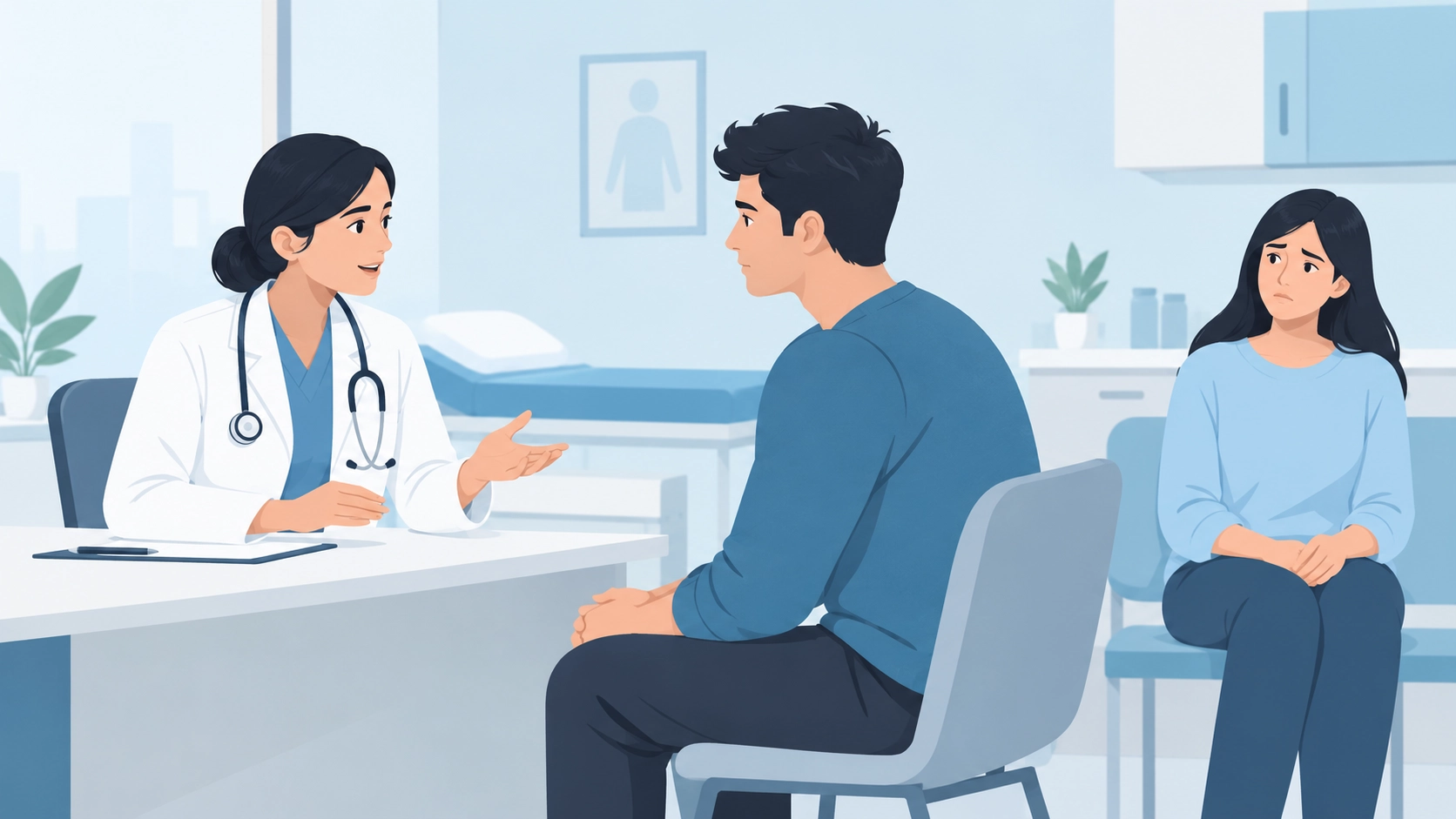
Interstitial cystitis, also known as bladder pain syndrome (BPS), is a chronic condition that causes bladder pressure, pelvic pain and frequent or urgent urination. It can affect sleep, daily activities, sexual well-being and overall quality of life.
The condition is more commonly diagnosed in women, although men can also develop it. In women, symptoms may overlap with gynaecological conditions such as endometriosis, making accurate assessment important. In men, bladder pain syndrome may resemble or coexist with conditions such as chronic prostatitis or chronic pelvic pain syndrome.
Although the symptoms can resemble a urinary tract infection (UTI), interstitial cystitis usually occurs without an identifiable infection. Understanding its symptoms, possible triggers and treatment options can help support better symptom management.
What Is Interstitial Cystitis?
Interstitial cystitis is a chronic bladder condition characterised by pain, pressure or discomfort perceived to be related to the bladder, often accompanied by urinary frequency or urgency. Symptoms can vary in intensity, with periods of worsening and improvement.
Unlike a typical UTI, interstitial cystitis is not caused by a bacterial infection that can be treated with antibiotics. It is also distinct from an overactive bladder, although some symptoms may overlap.
What is the difference between interstitial cystitis and an overactive bladder?
An overactive bladder mainly causes urgency, frequent urination and sometimes leakage. Interstitial cystitis typically involves bladder-related pain or pressure alongside urinary symptoms, although both conditions can occur together.
While the condition is more frequently diagnosed in women, it can affect people of any sex and may present differently depending on other pelvic or urinary health conditions.
What Are the Common Symptoms of Interstitial Cystitis?
Symptoms can differ from person to person and may range from mild discomfort to persistent pain that interferes with everyday activities.
Common symptoms include:
Bladder or pelvic pain: Discomfort or pressure in the lower abdomen, pelvis or around the bladder.
Frequent urination: Needing to urinate frequently, sometimes in small amounts, throughout the day.
Urinary urgency: A persistent or sudden need to urinate, even when the bladder is not full.
Night-time urination: Waking repeatedly during the night to urinate.
Pain during sexual activity: Women may experience pain during or after intercourse, while men may experience discomfort during or after intercourse.
Symptoms may worsen as the bladder fills and temporarily improve after urination, although this pattern is not the same for everyone.
How Can Symptoms Differ Between Women and Men?
In women, bladder pain may be experienced alongside menstrual discomfort, pain during intercourse or other pelvic symptoms. Because these symptoms can also occur with endometriosis and other gynaecological conditions, a thorough assessment may be needed to identify the underlying cause.
Can interstitial cystitis affect menstrual health?
Interstitial cystitis does not directly cause menstrual irregularities, but some women report worsening bladder or pelvic pain around menstruation. Similar symptoms may occur with endometriosis, so persistent cyclical pain should be evaluated by a healthcare professional.
In men, pelvic pain, urinary urgency and frequency may overlap with prostatitis or chronic pelvic pain syndrome. These conditions require careful evaluation because their symptoms can be similar but their management may differ.
Neither symptom pattern alone confirms a diagnosis of interstitial cystitis.
What Causes Interstitial Cystitis?
The exact cause of interstitial cystitis remains unclear. Researchers believe that several factors may contribute to its development, including:
Bladder lining dysfunction: Changes in the bladder's protective lining may allow substances in urine to irritate underlying tissues.
Nerve sensitivity: Altered nerve signalling may increase the perception of bladder pain and urgency.
Immune system involvement: Inflammation or changes in immune responses may contribute to symptoms in some individuals.
Pelvic floor dysfunction: Tight or overactive pelvic floor muscles may worsen pain and urinary symptoms.
These are possible contributing mechanisms rather than established causes in every case. Interstitial cystitis may also occur alongside other chronic pain conditions, including some pelvic pain disorders.
How Is Interstitial Cystitis Diagnosed?
There is no single test that confirms interstitial cystitis. Diagnosis generally involves reviewing symptoms, medical history and examination findings while ruling out other conditions that can cause similar symptoms.
A healthcare professional may recommend:
Urine tests and culture to check for a urinary tract infection.
A physical examination to assess pelvic tenderness and other possible causes of pain.
A bladder diary to record urination frequency, fluid intake and symptom patterns.
Cystoscopy or other investigations, when clinically indicated, to examine the bladder or investigate alternative diagnoses.
What is a cystoscopy and is it always needed to diagnose interstitial cystitis?
Cystoscopy is a procedure in which a thin instrument with a camera is used to examine the inside of the bladder. It is not required in every case but may be recommended when further investigation is needed.
In women, clinicians may need to distinguish bladder pain from conditions such as endometriosis, pelvic floor disorders and other gynaecological causes of pelvic pain.
In men, the assessment may also consider prostate-related conditions and chronic pelvic pain syndrome. These conditions can coexist with bladder pain syndrome, so diagnosis should be based on the overall clinical picture.
How Can Interstitial Cystitis Be Managed?
There is no single treatment that works for everyone. Management focuses on reducing symptoms, identifying individual triggers and improving daily functioning. Treatment may combine lifestyle changes, physical therapy and medical interventions.
Identify dietary triggers: Coffee, alcohol, citrus fruits, spicy foods and acidic beverages may aggravate symptoms in some people.
Adjust fluid intake: Maintaining adequate hydration may help, while excessive fluid intake can increase urinary frequency. Fluid intake should be adjusted to individual needs.
Practise bladder training: Gradually adjusting urination intervals under professional guidance may help some individuals manage frequency and urgency.
Manage stress: Relaxation techniques, gentle physical activity and adequate sleep may help reduce the impact of symptom flare-ups.
What is a bladder flare-up?
A bladder flare-up is a period when symptoms such as pain, pressure, urgency or urinary frequency become more intense than usual. Potential triggers include certain foods, stress and changes in daily routines, although triggers vary between individuals.
Cannabinoid-based medicines are also used for chronic pain management, including pain associated with bladder conditions. However, their use should be discussed with a qualified healthcare professional.
When Should Medical Advice Be Sought?
Persistent bladder pain, urinary urgency or frequent urination warrants medical assessment, particularly when symptoms interfere with daily life, sleep or sexual well-being.
Can interstitial cystitis cause long-term complications?
Interstitial cystitis can lead to persistent pain, disrupted sleep, reduced quality of life and difficulties with sexual activity. In severe cases, reduced bladder capacity may occur, but this is uncommon. Early assessment and appropriate symptom management can help reduce its impact.
Women experiencing recurring pelvic pain should seek evaluation to determine whether symptoms are related to the bladder, a gynaecological condition or both. Men with persistent urinary symptoms or pelvic pain should also be assessed for bladder, prostate and other pelvic conditions.
Fever, chills, visible blood in the urine or severe, sudden pain require prompt medical evaluation, as these may indicate another condition requiring treatment.
Conclusion
Although the condition is more commonly diagnosed in women, men can experience similar bladder and pelvic symptoms and also benefit from appropriate evaluation and treatment. Identifying triggers, addressing associated pelvic floor dysfunction and reviewing treatment options with a healthcare professional can help improve quality of life.
Also Watch:
Key Takeaways
- - Interstitial cystitis causes chronic bladder pressure, pelvic pain and urinary urgency without an identifiable infection.
- - Although more commonly diagnosed in women, interstitial cystitis can affect men and may overlap with other pelvic pain conditions.
- - Symptoms may worsen as the bladder fills and improve after urination, although experiences vary.
- - Diagnosis involves ruling out other conditions, including UTIs, endometriosis and prostate-related disorders.
- - Lifestyle changes, pelvic floor physiotherapy and individualised medical treatments can help manage symptoms.