

How to Increase Bone Density Naturally: Diet, Exercise and Lifestyle



Bone density refers to the amount of minerals, mainly calcium, present in bones. It helps determine how strong bones are and how well they withstand everyday stress. Ageing, hormonal changes, nutritional deficiencies and physical inactivity can contribute to gradual bone loss.
What is the difference between bone density and bone strength?
Bone density refers to the amount of minerals in bone tissue, while bone strength also depends on bone structure and quality. Both influence how well bones withstand stress and resist fractures.
Bone density refers to the amount of minerals in bone tissue, while bone strength also depends on bone structure and quality. Both influence how well bones withstand stress and resist fractures.
So, how to increase bone density naturally? A combination of balanced nutrition, regular exercise and healthy lifestyle habits can help maintain bone strength and reduce further bone loss.
Which Foods Help Increase Bone Density?
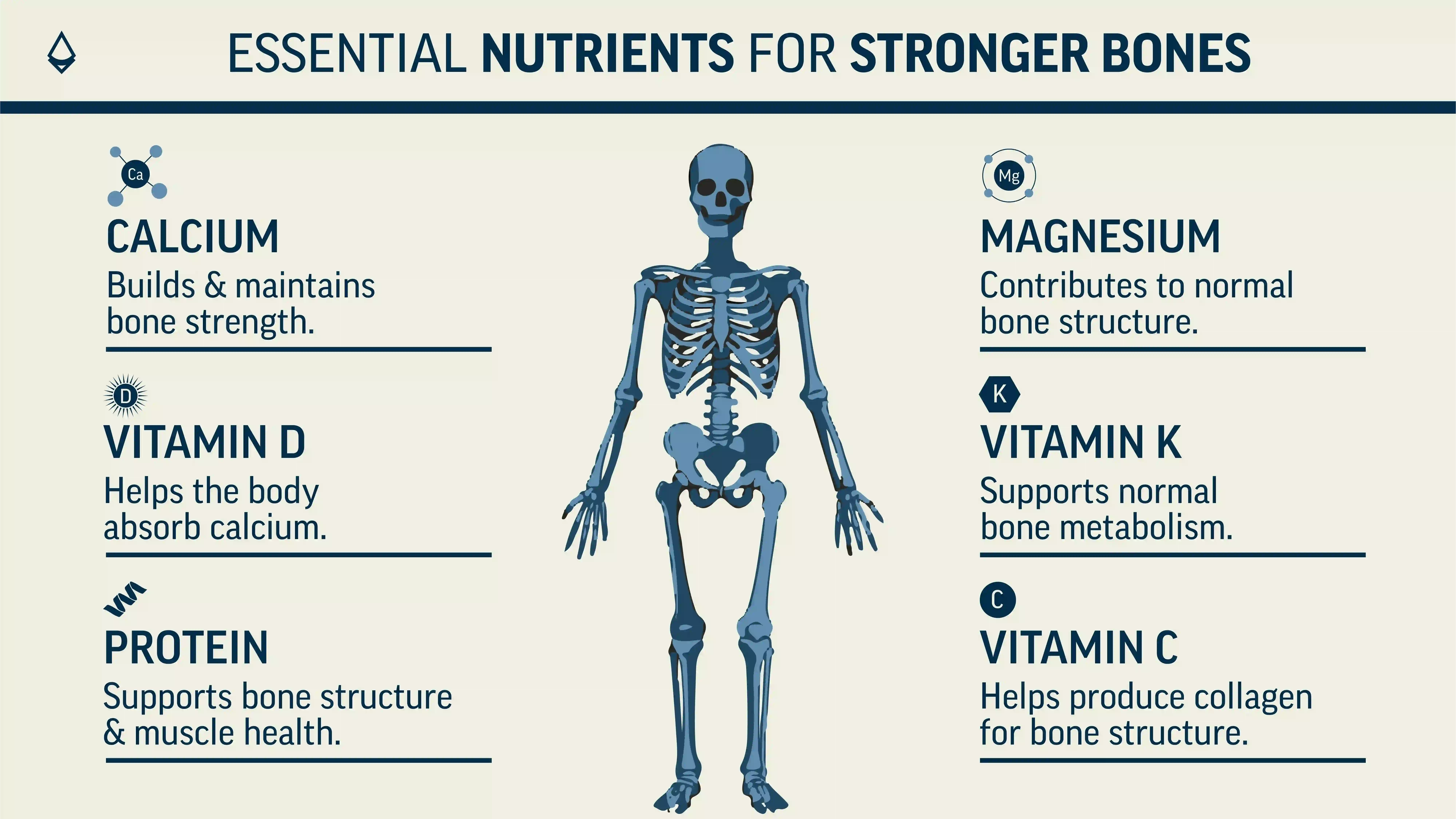
Certain nutrients play an important role in building and maintaining healthy bones. Calcium, vitamin D and protein are particularly important.
Does bone density naturally decrease with age?
Yes. Bone mass generally peaks in early adulthood and gradually declines with age. The decline may accelerate after menopause due to lower oestrogen levels, making nutrition and regular exercise important for maintaining bone health.
1. Calcium-Rich Foods
Calcium is the main mineral in bones and helps maintain their structure and strength. Foods to increase bone density through adequate calcium intake include:
Milk, curd, paneer and cheese
Ragi, sesame seeds and almonds
Tofu and calcium-fortified soy milk
Green leafy vegetables such as amaranth
2. Vitamin D Sources
Vitamin D helps the body absorb calcium from food. Sources include fatty fish, egg yolks and fortified foods. Sensible sunlight exposure also helps the body produce vitamin D.
If levels are low, a healthcare professional may recommend supplements based on individual requirements.
3. Protein-Rich Foods
Protein supports the structure of bones and helps maintain muscle strength. Include dal, chickpeas, beans, soy, tofu, dairy products, eggs and fish as part of a balanced diet.
Which Exercises Help Improve Bone Density?
Bones respond to physical activity by adapting to the forces placed on them. Weight-bearing and resistance exercises are particularly useful for maintaining bone density.
1. Weight-Bearing Exercises
These activities involve supporting body weight while standing or moving against gravity. Examples include:
Brisk walking
Stair climbing
Dancing
Hiking or jogging, where appropriate
These are among the most useful weight-bearing exercises for bone density.
Does walking alone increase bone density?
Walking is a weight-bearing activity that supports bone health, particularly in the hips and legs. However, combining it with resistance and balance exercises provides more comprehensive benefits.
2. Resistance and Strength Training
Resistance exercises make muscles work against a load, placing controlled stress on bones. Options include:
Squats and lunges
Light weight training
Resistance-band exercises
Bodyweight exercises
3. Balance Exercises
Tai chi and suitable balance-focused exercises can improve stability and coordination. They are particularly helpful for older adults because better balance can reduce the risk of falls.
Exercise plans should account for age, fitness and bone health. People with osteoporosis or a history of fractures should seek professional guidance before starting high-impact activities.
What Lifestyle Changes Support Bone Health?
Daily habits can influence bone health over time. A few changes can help reduce avoidable risk factors:
Avoid smoking: Smoking is associated with lower bone density and a higher risk of fractures.
Limit alcohol: Excessive alcohol consumption can interfere with bone health.
Maintain a healthy body weight: Being underweight can increase the risk of bone loss.
Stay active: Avoid prolonged inactivity and include regular movement throughout the day.
Address nutritional deficiencies: Seek medical advice if calcium or vitamin D deficiency is suspected.
Cannabinoid-based medications may also be considered for managing certain types of pain, but their use should always be guided by a healthcare professional.
Can Bone Density Improve Naturally?
Bone density may improve in some people, depending on age, nutritional status and the underlying cause of bone loss. Adequate nutrition and regular exercise can help maintain or support bone density.
However, natural measures may not be enough for people with significant bone loss or osteoporosis. Medical assessment and prescribed treatment may be needed to reduce fracture risk and prevent further bone loss.
How long does it take to improve bone density naturally?
Bone changes happen gradually, often over months or years. Consistent nutrition and exercise can support bone health, but the results vary depending on age, health and the extent of bone loss.
When Are Lifestyle Changes Not Enough?
Diet and exercise can support bone health, but they may not prevent fractures in people with significant bone loss. Those diagnosed with osteoporosis or at high risk of fractures may need prescribed medication alongside lifestyle changes. Persistent bone loss, a previous fragility fracture or an underlying medical condition should prompt medical assessment.
Conclusion
Knowing how to improve bone density involves more than adding a few foods or exercises to a routine. Adequate calcium, vitamin D and protein, regular weight-bearing activity, resistance training and healthy lifestyle habits all contribute to bone health.
Early assessment and appropriate medical care are also important, particularly when bone loss or osteoporosis has already been diagnosed.
Also watch:
Key Takeaways
- - Calcium, vitamin D and protein are essential nutrients for maintaining bone strength and supporting bone density.
- - Weight-bearing activities such as walking, stair climbing and dancing help stimulate bones and maintain their strength.
- - Resistance training supports bone health by placing controlled stress on bones and strengthening surrounding muscles.
- - Smoking, excessive alcohol and physical inactivity can contribute to poor bone health and increase the risk of bone loss.
- - Regular bone health assessments and early intervention can help identify bone loss and reduce the risk of fractures.