

How Can Symptom Management Improve Life in Advanced Illnesses?



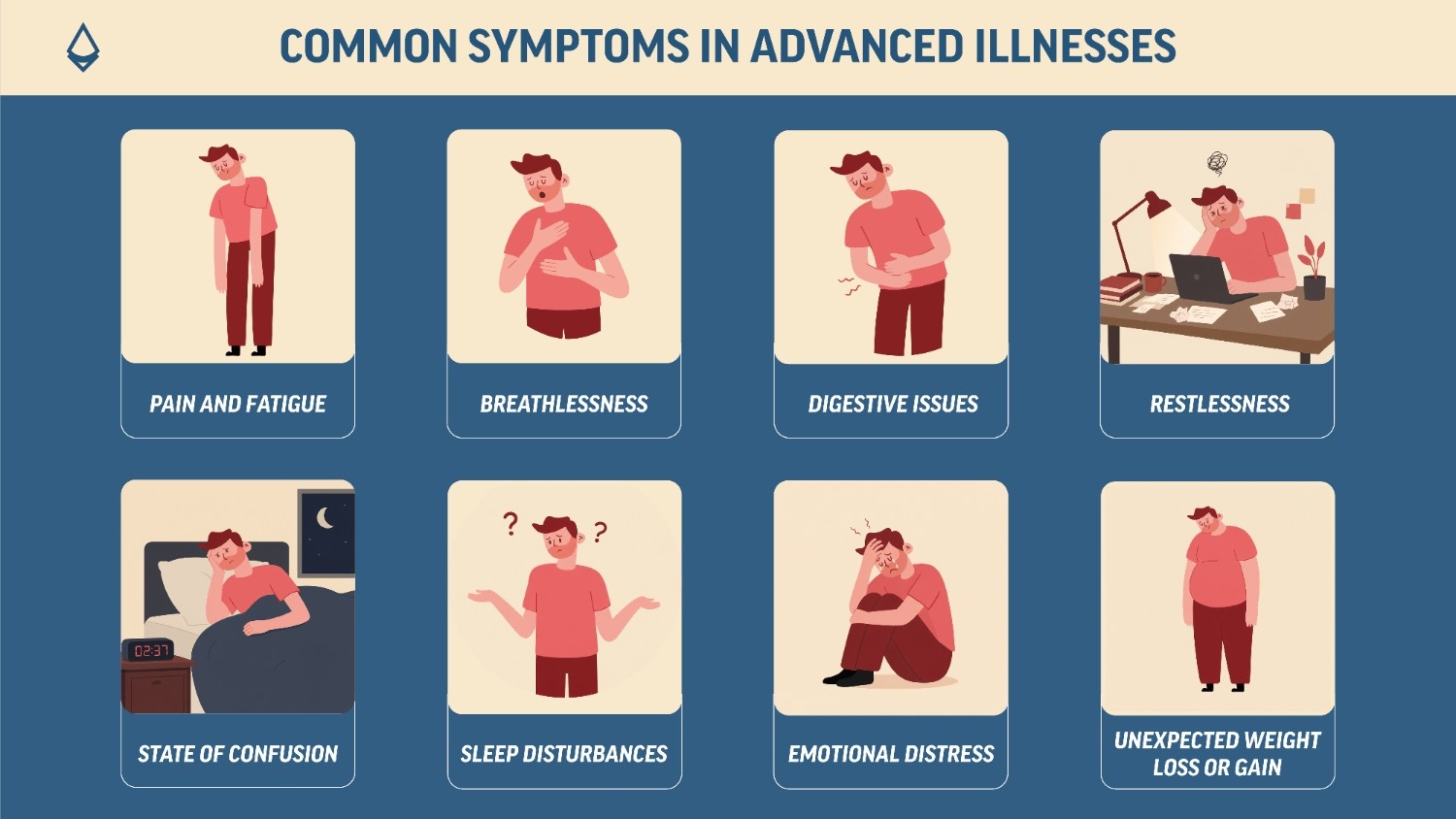
Advanced illnesses often affect much more than just one organ or system in the body. As conditions progress, people may experience persistent pain, fatigue, breathlessness, nausea, anxiety, sleep disturbances, loss of appetite and emotional distress - all of which can significantly reduce quality of life. This is where symptom management becomes one of the most important aspects of care.
Symptom management focuses on reducing discomfort, improving daily functioning and helping individuals maintain dignity, independence and emotional well-being despite serious health conditions. It is not limited to end-of-life care. In fact, supportive symptom care can begin at any stage of an advanced illness alongside ongoing medical treatment.
Why Symptom Management Matters in Advanced Illnesses?
Many advanced illnesses, such as cancer, neurological disorders, chronic respiratory diseases, organ failure, autoimmune conditions and degenerative disorders can create overlapping physical and psychological symptoms. Often, untreated symptoms can worsen stress, weaken immunity, reduce mobility and even affect treatment outcomes.
For example, poorly managed pain may lead to sleep deprivation and fatigue. Breathlessness can trigger panic and anxiety. Loss of appetite may contribute to weakness and nutritional deficiencies. Symptom management aims to address these interconnected issues together rather than in isolation.
Research also shows that individuals receiving proper supportive care often report better emotional resilience, improved comfort, better sleep quality and greater participation in daily activities.
What does “supportive care” actually mean?
It focuses on improving comfort, symptom relief and overall quality of life alongside medical treatment.
Common Symptoms That Require Supportive Management
Pain:
Pain is one of the most common and distressing symptoms in advanced illnesses. It may be caused by inflammation, nerve damage, muscle stiffness, treatment side effects, or disease progression itself.
Pain management usually involves a combination of physical therapies, lifestyle support, relaxation techniques, psychological support and supervised medical interventions. Gentle movement therapies, heat application, breathing exercises and restorative sleep can also play an important role in reducing discomfort.
Cannabinoid-based medication is also being explored in supportive care settings for symptom relief, particularly in chronic pain, neuropathic pain, sleep disturbances, nausea and anxiety associated with advanced illnesses. They have the potential to improve comfort and overall well-being in some patients under medical supervision.
What is neuropathic pain?
It is pain caused by nerve damage, often described as burning, tingling or shooting pain.
Fatigue and Weakness:
Fatigue in advanced illnesses is not simply “tiredness.” It can feel overwhelming and persistent even after rest. Poor sleep, inflammation, emotional stress, medications and nutritional deficiencies can all contribute to this symptom.
Energy conservation strategies, balanced nutrition, hydration, emotional support, and light physical activity tailored to the individual’s condition may help reduce fatigue. Maintaining a structured daily routine can also help patients feel more physically and mentally stable.
Why is fatigue different from normal tiredness?
Illness-related fatigue can persist even after adequate rest or sleep.
Breathlessness and Respiratory Discomfort
Conditions affecting the lungs, heart, or nervous system can make breathing difficult and exhausting. Breathlessness may increase during movement, stress, or even while lying down.
Simple interventions such as breathing exercises, positioning techniques, fresh airflow, relaxation methods and pulmonary rehabilitation support can help individuals feel more in control of their breathing. Emotional reassurance also plays a major role because anxiety often worsens respiratory distress.
Nausea, Appetite Changes and Digestive Issues
Advanced illnesses and their treatments frequently affect digestion and appetite. Persistent nausea, constipation, bloating, or reduced hunger can impact both physical strength and emotional well-being.
Smaller, more frequent meals, hydration, gut-friendly foods, digestive support strategies and reducing strong food triggers may help manage symptoms. Emotional stress management is equally important because anxiety can worsen digestive discomfort.
Why can anxiety worsen physical symptoms?
Stress and anxiety can intensify pain, breathlessness, digestive discomfort and sleep disturbances.
What is the Emotional Side of Symptom Management?
Living with an advanced illness can bring emotional challenges such as fear, frustration, sadness, uncertainty and social withdrawal. Emotional well-being directly influences physical symptom perception.
Psychological counselling, support groups, family support, mindfulness practices, music therapy and compassionate communication can significantly improve emotional resilience. Symptom management works best when physical and emotional health are treated together.
Conclusion
Effective symptom management is not about “curing” the illness, but it is about helping individuals live with greater comfort, dignity and support. A multidisciplinary approach involving doctors, nurses, caregivers, nutritionists, therapists and mental health professionals often leads to better outcomes.
What is multidisciplinary care?
It involves multiple healthcare professionals working together to support physical, emotional and nutritional well-being.
When symptoms are addressed early and consistently, patients may experience improved sleep, reduced distress, better mobility, stronger emotional coping and an overall better quality of life despite the challenges of advanced illness.
Key Takeaways
- - Symptom management focuses on improving comfort and quality of life in advanced illnesses.
- - Pain, fatigue, breathlessness and digestive issues are among the most common symptoms requiring support.
- - Emotional well-being plays a major role in how physical symptoms are experienced.
- - Holistic supportive care often improves daily functioning and emotional resilience.