

How Are Sleep Disorders Classified?


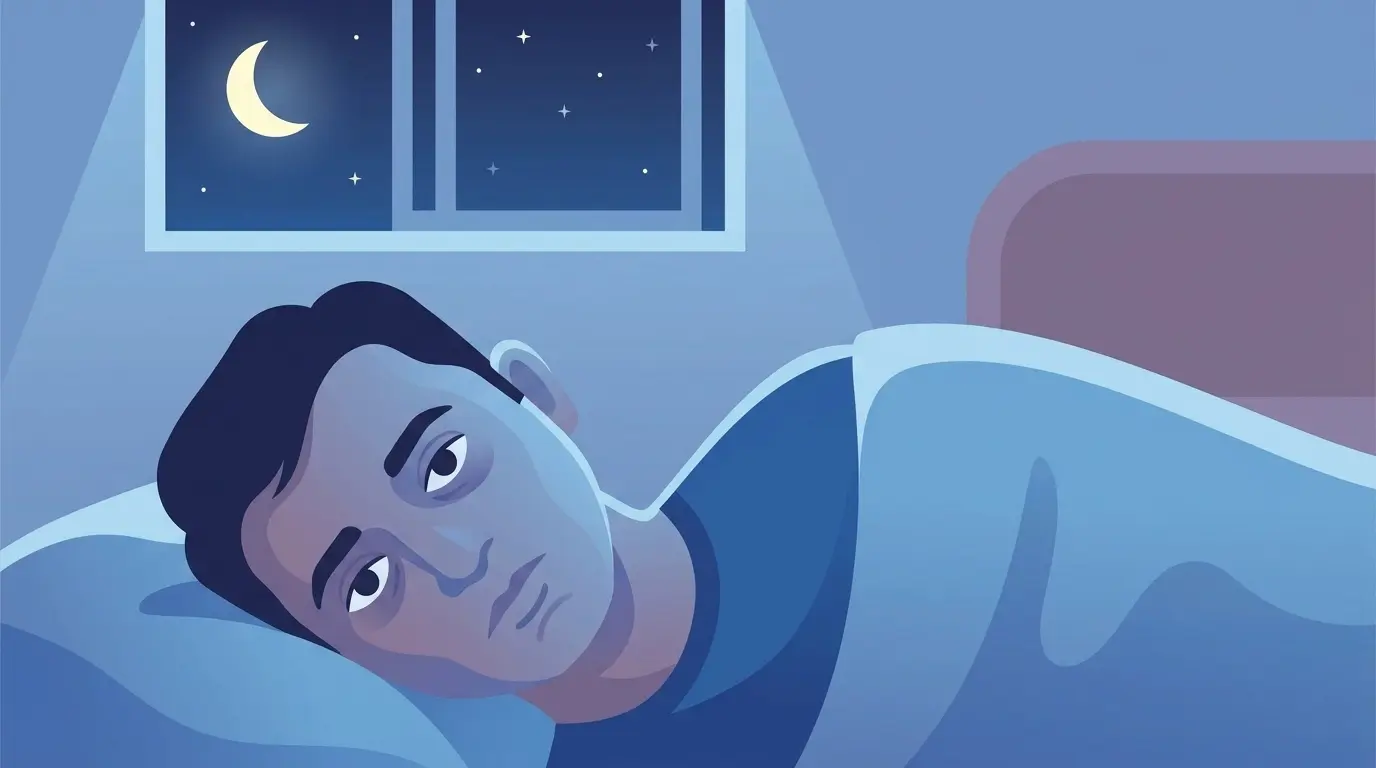
According to global estimates, up to 51% of adults suffer from at least one sleep disorder. Among children, sleep disorders affect roughly 20% to 30%, impacting physical health, mental well-being, productivity and quality of life. Understanding how sleep disorders are classified can help identify symptoms early, improve diagnosis and guide appropriate treatment strategies.
Sleep disorders interfere with the quantity, quality, timing, or behaviour associated with sleep. They can affect how easily a person falls asleep, how long they stay asleep, how they breathe during sleep, or how they behave while sleeping.
What Are the Main Categories of Sleep Disorders?
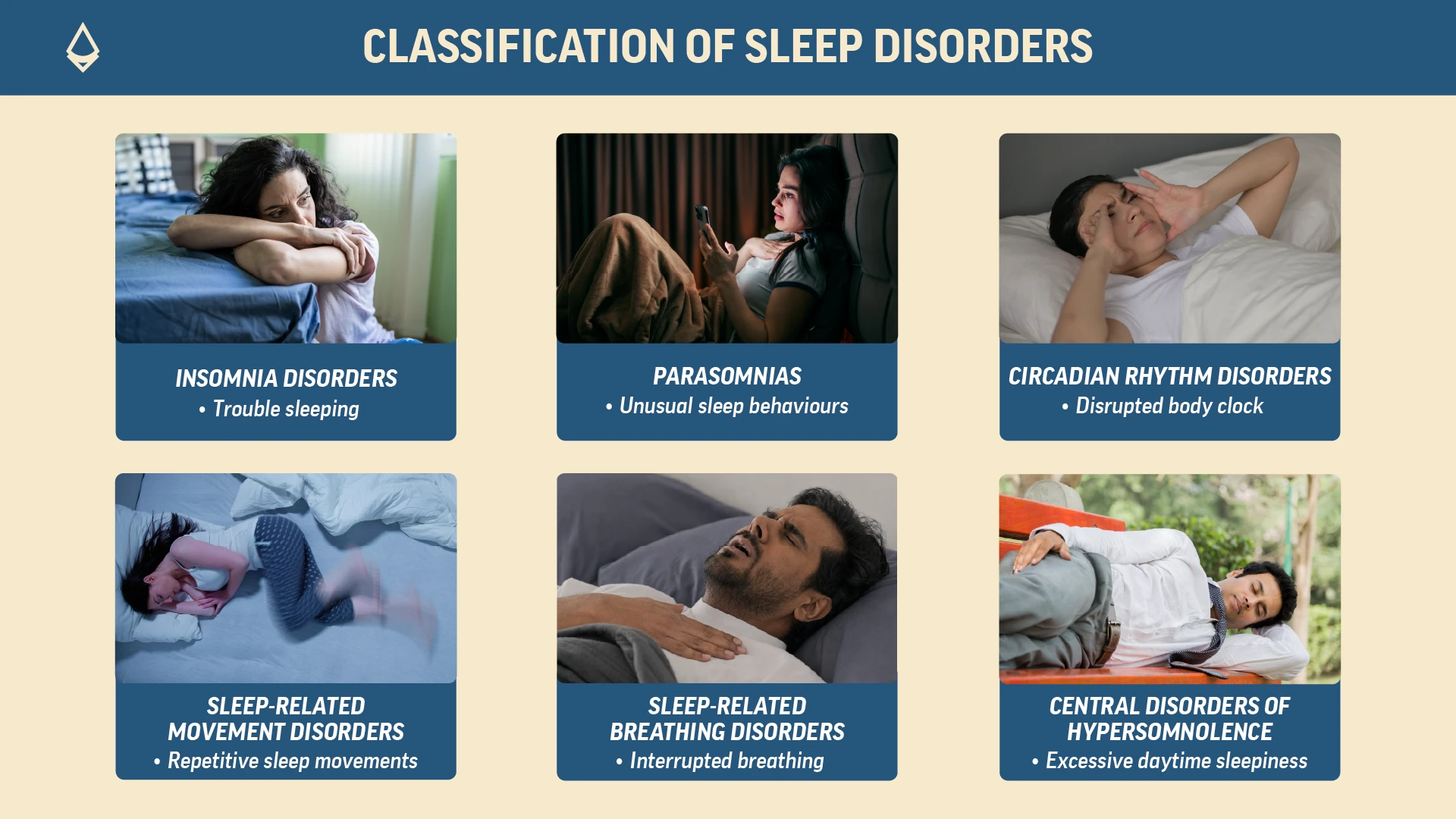
Sleep specialists commonly classify these disorders based on their primary symptoms and underlying mechanisms. The International Classification of Sleep Disorders (ICSD) categorises sleep disorders into several major groups.
The major classifications of sleep disorders include:
Insomnia disorders
Sleep-related breathing disorders
Central disorders of hypersomnolence
Circadian rhythm sleep-wake disorders
Parasomnias
Sleep-related movement disorders
Each category affects sleep differently and requires distinct diagnostic and management approaches.
Can someone have more than one sleep disorder?
Yes. A person can have multiple sleep disorders, such as insomnia with sleep apnea or restless legs syndrome.
What Are Insomnia Disorders?
Insomnia is one of the most common sleep disorders worldwide. It involves difficulty falling asleep, staying asleep, or waking up too early despite having adequate opportunity to sleep.
Common symptoms include:
Difficulty initiating sleep
Frequent nighttime awakenings
Early morning awakening
Daytime fatigue
Poor concentration and irritability
Is daytime sleepiness the same as fatigue?
No. Daytime sleepiness is the urge to sleep, while fatigue is a feeling of physical or mental exhaustion.
Insomnia may be short-term, triggered by stress or life events, or chronic, lasting for three months or longer.
What Are Sleep-Related Breathing Disorders?
These disorders occur when breathing becomes abnormal during sleep. The most common type is obstructive sleep apnea (OSA), where the airway repeatedly collapses during sleep.
Warning signs may include:
Loud snoring
Pauses in breathing during sleep
Gasping or choking episodes
Morning headaches
Excessive daytime sleepiness
Untreated sleep apnea has been linked to cardiovascular disease, hypertension, diabetes and cognitive impairment.
What Are Central Disorders of Hypersomnolence?
These conditions are characterised by excessive daytime sleepiness despite obtaining sufficient sleep.
Examples include:
Narcolepsy: A neurological disorder affecting the brain's ability to regulate sleep-wake cycles.
Idiopathic hypersomnia: Persistent excessive sleepiness without a clearly identifiable cause.
Individuals may experience overwhelming daytime sleep episodes, difficulty staying awake and impaired daily functioning.
What Are Circadian Rhythm Sleep-Wake Disorders?
Our body follows an internal biological clock known as the circadian rhythm. When this timing system becomes disrupted, sleep disorders can develop.
Common types include:
Delayed sleep-wake phase disorder
Advanced sleep-wake phase disorder
Shift work disorder
Jet lag disorder
People with circadian rhythm disorders often struggle to align their sleep schedules with work, school, or social obligations.
What Are Parasomnias?
Parasomnias involve unusual behaviours, movements, emotions, or experiences that occur during sleep or while transitioning between sleep and wakefulness.
Examples include:
Sleepwalking
Sleep talking
Night terrors
Nightmare disorder
REM sleep behaviour disorder
While some parasomnias are harmless, others may increase the risk of injury and require medical evaluation.
What Are Sleep-Related Movement Disorders?
These disorders involve repetitive movements that interfere with sleep quality.
Common examples include:
Restless Legs Syndrome (RLS): An uncomfortable sensation in the legs accompanied by an urge to move them.
Periodic Limb Movement Disorder (PLMD): Repetitive limb movements during sleep.
These conditions often result in fragmented sleep and daytime fatigue.
How Are Sleep Disorders Diagnosed?
Healthcare professionals may use several approaches to diagnose sleep disorders, including:
Detailed sleep history
Sleep diaries
Physical examination
Questionnaires and screening tools
Polysomnography (sleep study)
Actigraphy monitoring
What is a sleep study (polysomnography)?
A sleep study is an overnight test that monitors brain activity, breathing, heart rate and body movements during sleep.
An accurate diagnosis is essential because many sleep disorders share similar symptoms.
What Are the Treatment Options for Sleep Disorders?
Treatment depends on the specific disorder and its severity. Common management strategies include:
Improving sleep hygiene
Cognitive behavioural therapy
Stress management techniques
Regular exercise
Dietary modifications
Medical devices such as CPAP for sleep apnea
Addressing underlying medical conditions
When should one see a doctor for sleep problems?
If sleep issues persist for weeks, affect daily life, or involve symptoms like loud snoring or breathing pauses, seek medical advice.
In addition, cannabinoid-based medications are an alternative and natural therapeutic approach for certain sleep-related conditions. Emerging research suggests that specific cannabinoids may help support sleep regulation, reduce anxiety-related sleep disturbances and improve sleep quality in some individuals when taken under appropriate medical guidance.
Understanding the classification of sleep disorders is the first step toward recognising symptoms early and seeking the right support.
Key Takeaways
- - Sleep disorders are classified into six major categories based on how they affect sleep and their underlying causes.
- - Early identification of symptoms can improve diagnosis, treatment outcomes and overall quality of life.
- - Different sleep disorders require different management strategies, making an accurate diagnosis essential.
- - Lifestyle changes, behavioural therapies and medical treatments can significantly improve sleep in many individuals.
- - Not all sleep problems are the same, identifying the specific disorder is key to effective management.