

What Are Common Pain Conditions & Musculoskeletal Disorders?



Pain is one of the body's natural warning signals, but when it persists for weeks or months, it may indicate an underlying musculoskeletal disorder rather than a temporary injury. These conditions affect the muscles, bones, joints, tendons, ligaments and connective tissues, often limiting mobility, reducing productivity and making everyday activities increasingly difficult.
Can musculoskeletal pain occur without an obvious injury?
Yes. Many conditions develop gradually due to ageing, inflammation, poor posture, repetitive strain or underlying medical conditions.
Musculoskeletal disorders (MSDs) are among the most common health conditions worldwide. According to the World Health Organisation (WHO), around 1.71 billion people globally live with a musculoskeletal condition, making them the leading contributor to disability worldwide. Low back pain alone affects an estimated 619 million people and is the single largest cause of disability globally, with cases projected to rise to 843 million by 2050 due to population growth and ageing. Beyond their physical impact, musculoskeletal disorders are a major cause of reduced work productivity, long-term rehabilitation and healthcare costs.
What Are Musculoskeletal Disorders?
Musculoskeletal disorders are conditions that affect the body's muscles, bones, joints, cartilage, tendons, ligaments and other connective tissues responsible for movement, support and stability. They may develop suddenly following an injury or gradually due to ageing, inflammation, repetitive strain or autoimmune diseases.
Depending on the underlying cause, these conditions may be temporary or become chronic. Common symptoms include pain, stiffness, swelling, muscle weakness, reduced flexibility and difficulty performing routine activities such as walking, climbing stairs or lifting objects.
How Does Musculoskeletal Pain Develop?
Musculoskeletal pain develops when muscles, bones, joints, tendons, ligaments or nerves become damaged, inflamed or irritated. It can be acute, occurring suddenly after an injury and improving as healing takes place, or chronic, lasting for more than three months and sometimes persisting even after the original injury has healed.
What's the difference between acute and chronic musculoskeletal pain?
Acute pain usually lasts less than three months and is linked to an injury, while chronic pain persists for longer and may continue even after tissues have healed.
The type of pain often provides important clues about its underlying cause, making it easier for healthcare professionals to identify the condition and recommend appropriate treatment.
What Are the Common Types of Musculoskeletal Pain?
The location and nature of pain often indicate which part of the musculoskeletal system is affected.
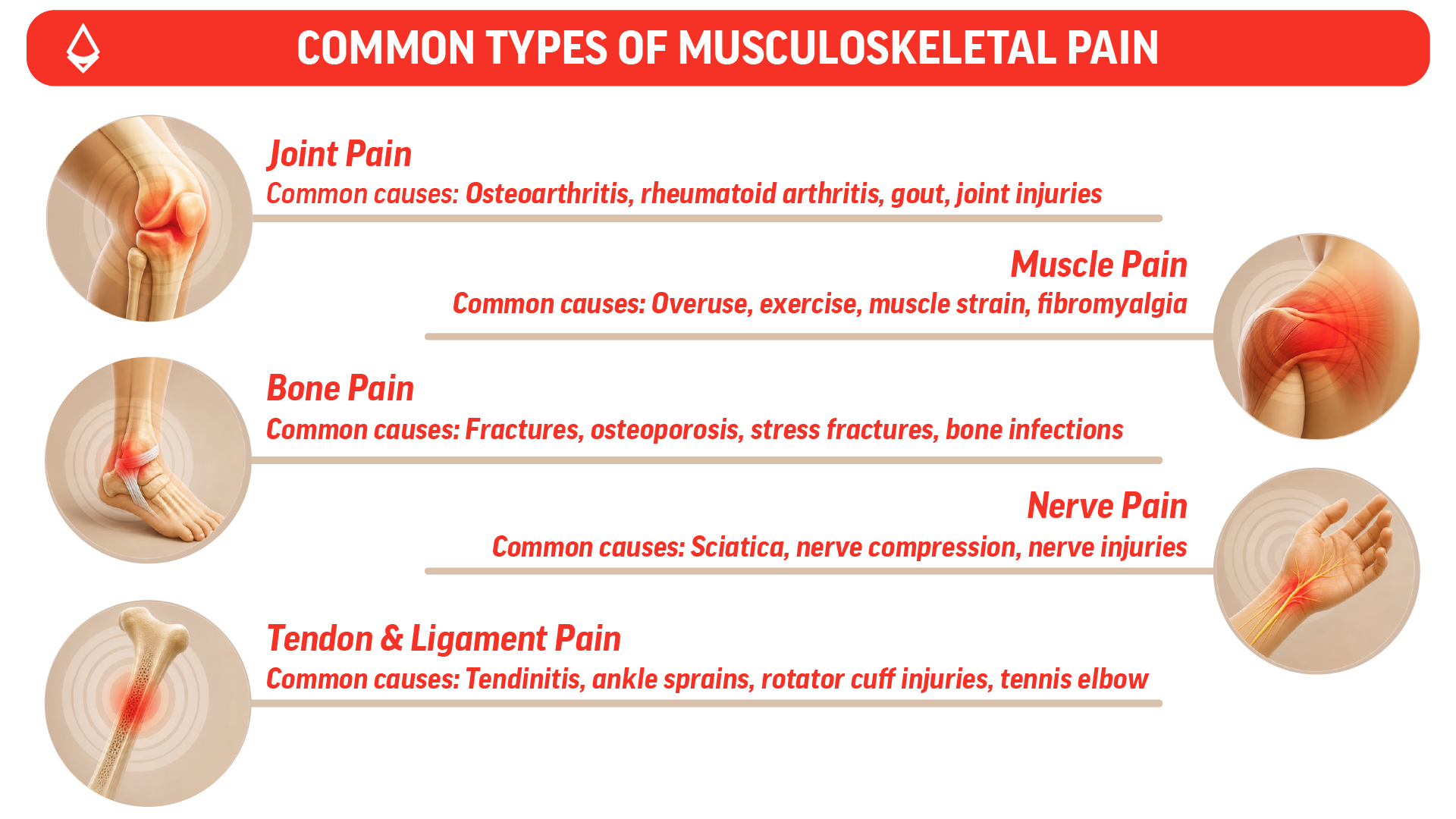
Common Types of Musculoskeletal Pain:
Joint Pain (Arthralgia) - Joint pain affects the areas where two bones meet. It is often accompanied by stiffness, swelling and reduced range of motion.
Muscle Pain (Myalgia) - Muscle pain commonly results from overuse, strenuous exercise, infections, or muscle injuries. Persistent muscle pain may also be linked to conditions such as fibromyalgia or chronic muscle strain.
Bone Pain - Bone pain is typically more intense than muscle pain and persistent bone pain should always be medically evaluated.
Tendon and Ligament Pain - Pain involving tendons or ligaments is usually caused by inflammation or injury and often worsens during movement.
Nerve Pain (Neuropathic Pain) - Neuropathic pain occurs when nerves become damaged or compressed. It is often described as burning, shooting or electric shock-like pain and may be accompanied by numbness, tingling or muscle weakness.
In many musculoskeletal disorders, multiple types of pain may occur simultaneously, underscoring the importance of an accurate diagnosis.
What Are the Common Types of Musculoskeletal Injuries?
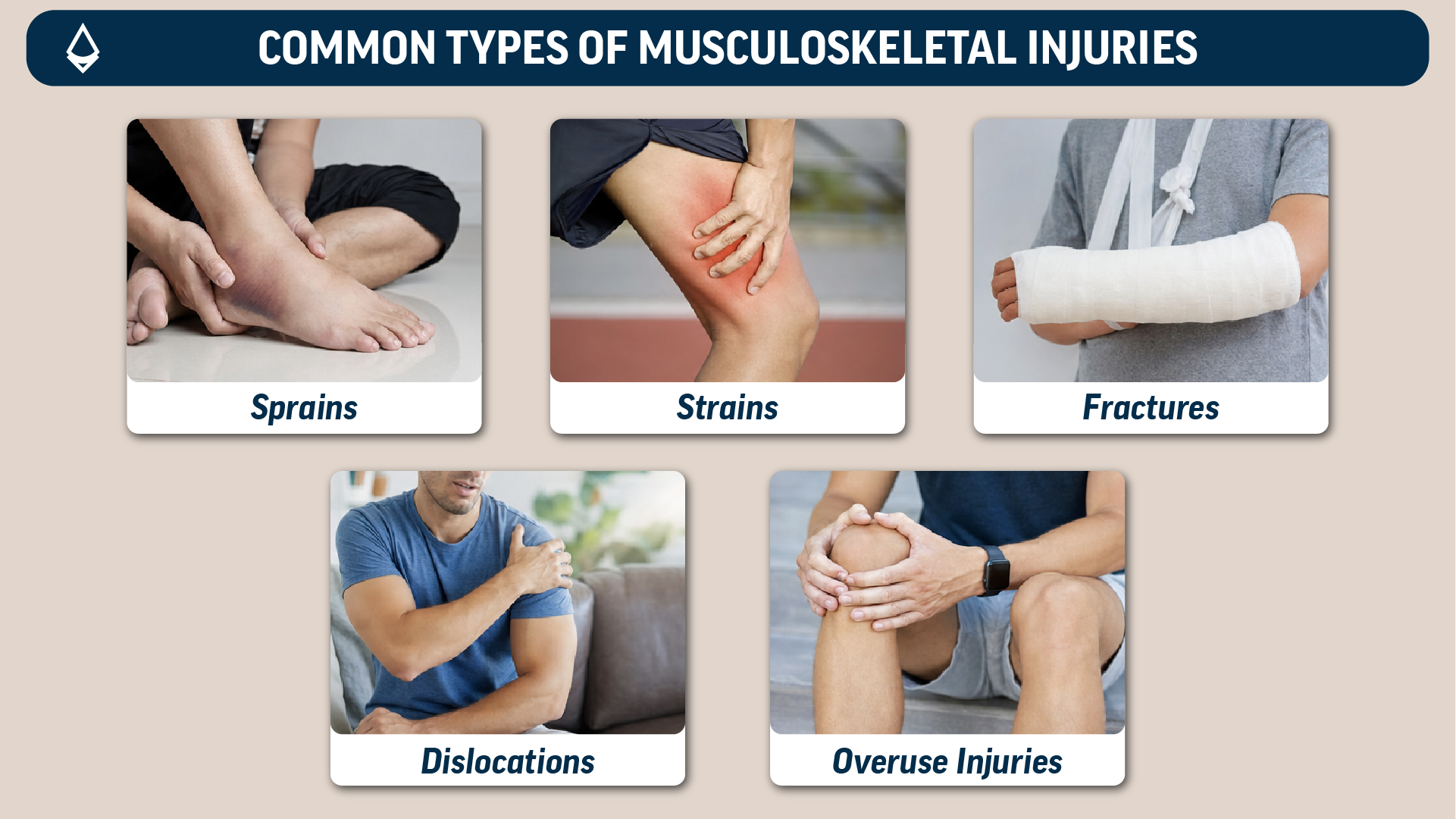
Musculoskeletal injuries can occur suddenly due to trauma or develop gradually from repetitive movements and overuse. The most common types include:
Sprains: Stretching or tearing of ligaments, usually affecting the ankles, knees or wrists.
Strains: Injury to muscles or tendons, commonly affecting the back, hamstrings or calf muscles.
Fractures: Breaks or cracks in a bone caused by trauma or repetitive stress. Stress fractures are particularly common among athletes and runners.
Dislocations: Injuries in which the bones of a joint are forced out of their normal position, most often affecting the shoulder, fingers or kneecap.
Overuse injuries: Conditions such as tendinitis, bursitis, plantar fasciitis and rotator cuff injuries that develop gradually due to repetitive movements and inadequate recovery.
Are musculoskeletal disorders only a concern for older adults?
No. Athletes, office workers, manual labourers and even young adults can develop musculoskeletal disorders due to repetitive strain, injuries or lifestyle factors.
Prompt diagnosis and treatment can help reduce pain, restore function and lower the risk of long-term complications.
What Are the Most Common Pain Conditions and Musculoskeletal Disorders?
Musculoskeletal disorders include a wide range of conditions that affect the muscles, bones, joints, tendons, ligaments and nerves. Some develop gradually due to ageing or repetitive strain, while others result from inflammation, injury or autoimmune diseases.
Osteoarthritis: Osteoarthritis is the most common form of arthritis and occurs when the protective cartilage cushioning the joints gradually wears away. It most frequently affects the knees, hips, hands and spine, causing pain, stiffness and reduced mobility that often worsens with activity.
Rheumatoid Arthritis: Rheumatoid arthritis is an autoimmune condition in which the immune system mistakenly attacks the lining of the joints. This leads to chronic inflammation, pain, swelling and prolonged morning stiffness. Without timely treatment, it can cause permanent joint damage and loss of function.
Chronic Back Pain: Lower back pain is one of the leading causes of disability worldwide. It may result from muscle strain, herniated discs, spinal degeneration, arthritis, poor posture or prolonged sitting. Persistent back pain can significantly affect mobility, work productivity and daily activities.
Can poor posture really lead to chronic pain?
Yes. Maintaining poor posture over time can place excessive stress on muscles, joints and ligaments, contributing to chronic neck, back and shoulder pain.
Neck Pain and Cervical Spondylosis: Neck pain is increasingly common due to prolonged computer and smartphone use. Age-related wear and tear of the cervical spine, known as cervical spondylosis, can also cause stiffness, headaches and pain that radiates to the shoulders or arms.
Shoulder Disorders: Conditions such as frozen shoulder, rotator cuff injuries and shoulder bursitis can restrict movement and make routine activities such as reaching overhead, lifting objects or getting dressed painful and difficult.
Fibromyalgia: Fibromyalgia is a chronic pain disorder characterised by widespread musculoskeletal pain, fatigue, sleep disturbances and increased sensitivity to pain. Although its exact cause remains unclear, researchers believe changes in the way the brain and nervous system process pain contribute to the condition.
Sciatica: Sciatica occurs when the sciatic nerve becomes compressed or irritated, most commonly due to a herniated disc or spinal degeneration. It typically causes pain that radiates from the lower back through the buttock and down one leg, often accompanied by numbness or tingling.
Tendinitis and Bursitis: These conditions involve inflammation of the tendons or bursae surrounding the joints, usually due to repetitive movements or overuse. They commonly affect the shoulders, elbows, hips and knees, causing pain, tenderness and restricted movement.
What Causes Musculoskeletal Disorders?
Musculoskeletal disorders rarely have a single cause. Instead, they usually develop from a combination of age-related changes, lifestyle factors, occupation, injuries and underlying medical conditions.
Common risk factors include:
Lifestyle factors: Poor posture, prolonged sitting, physical inactivity, obesity, chronic stress, poor-quality sleep
Physical strain: Repetitive movements, heavy lifting, physically demanding occupations
Medical conditions: Autoimmune diseases, osteoporosis, diabetes, other metabolic disorders
Other factors: Ageing, previous injuries, nutritional deficiencies (especially calcium and vitamin D)
While some risk factors cannot be changed, many can be reduced through regular physical activity, maintaining a healthy weight and adopting good posture and ergonomic practices.
What Symptoms Should Not Be Ignored?
Musculoskeletal pain that persists or worsens over time should not be ignored. Early evaluation can help identify the underlying cause and prevent long-term complications.
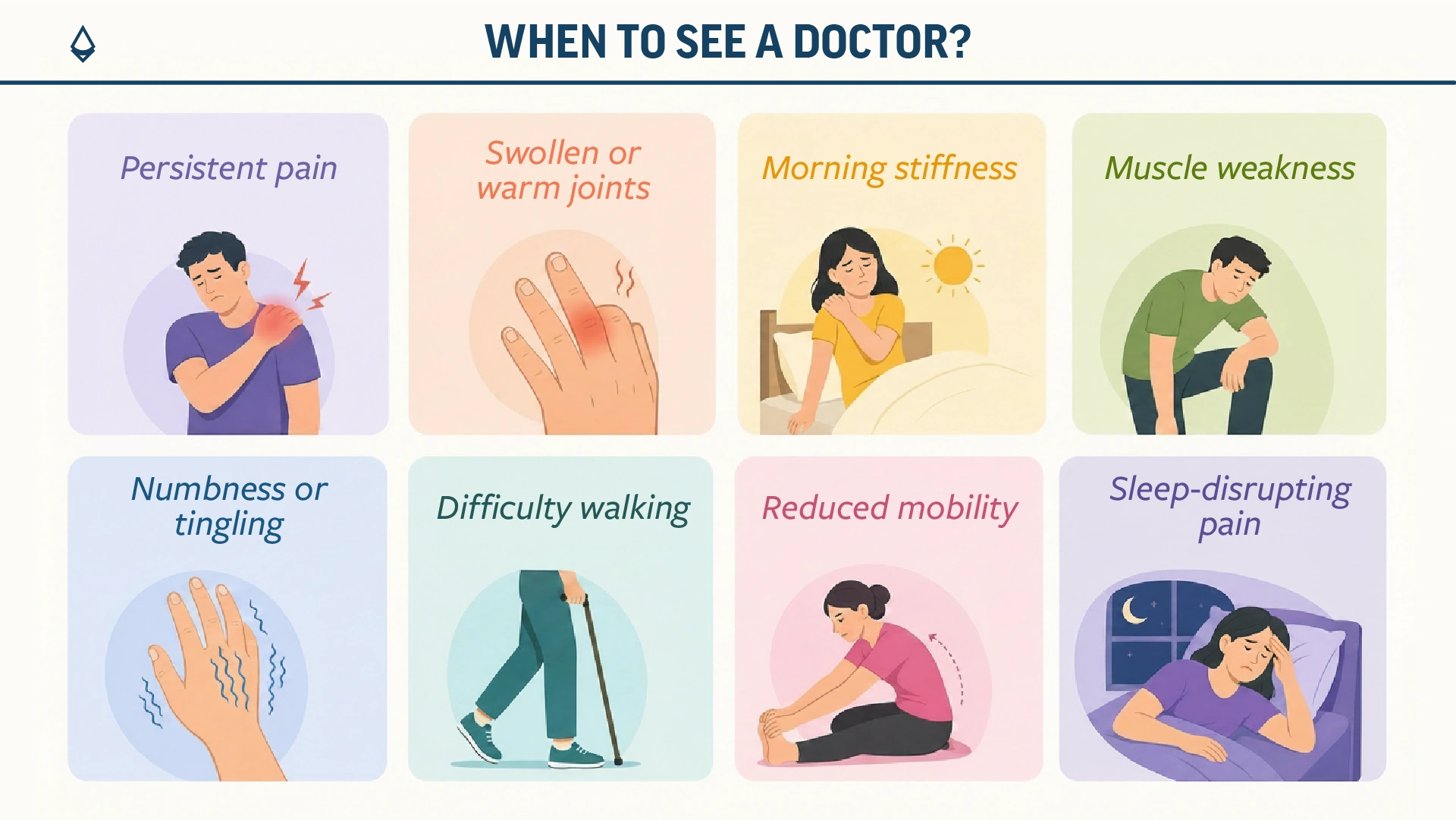
Prompt medical attention is especially important if symptoms develop after a significant injury or progressively worsen despite rest.
How Are Musculoskeletal Disorders Diagnosed?
Diagnosis begins with a detailed medical history and physical examination to assess pain, movement, muscle strength, flexibility and joint function.
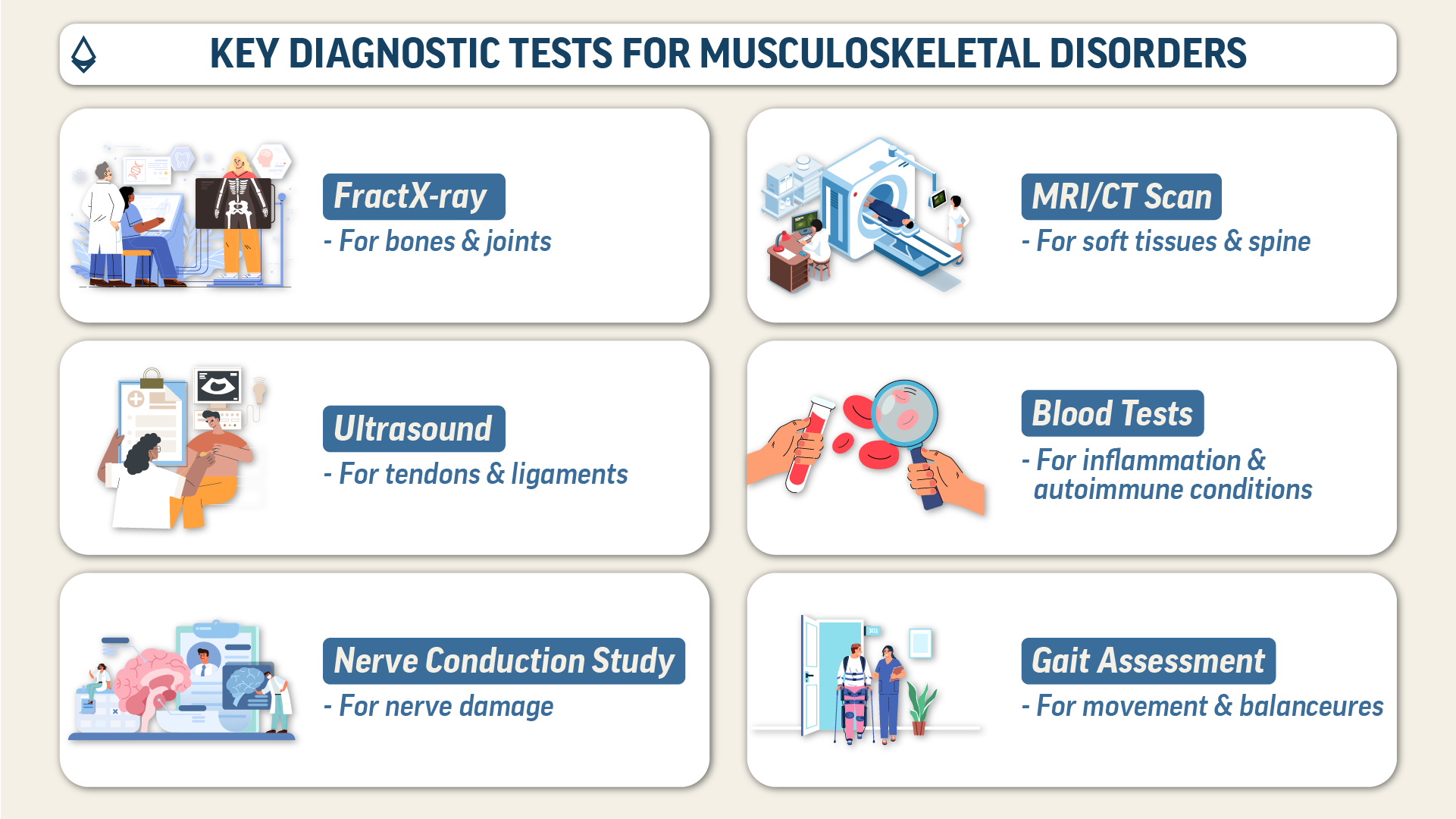
Depending on the suspected condition, the healthcare provider may recommend:
X-rays to assess bones, joints and fractures
MRI or CT scans to evaluate muscles, ligaments, tendons, discs and other soft tissues
Ultrasound to detect tendon or ligament injuries
Blood tests to identify inflammatory or autoimmune conditions such as rheumatoid arthritis
Nerve conduction studies if nerve damage or compression is suspected
Functional or gait assessments to evaluate posture, movement patterns and balance
An accurate diagnosis helps determine the underlying cause of pain and ensures the most appropriate treatment plan is selected.
How Are Musculoskeletal Disorders Treated?
Treatment aims to relieve pain, restore movement, improve function and prevent further damage. The most appropriate approach depends on the underlying condition, symptom severity and the individual's overall health.
Lifestyle Changes:
Healthy lifestyle habits form the foundation of treatment for many musculoskeletal disorders. Maintaining a healthy body weight reduces stress on the joints, while regular low-impact activities such as walking, swimming, cycling and yoga help improve flexibility, muscle strength and joint stability.
Can stress make musculoskeletal pain worse?
Yes. Chronic stress can increase muscle tension, amplify pain perception and slow recovery from musculoskeletal injuries.
Physiotherapy and Rehabilitation:
Physiotherapy is a key part of recovery. It helps improve posture, restore joint mobility, strengthen supporting muscles and reduce the risk of future injuries. Occupational therapy can also help individuals modify daily activities and improve workplace ergonomics to minimise strain on affected joints.
Medications:
Depending on the condition, healthcare professionals may prescribe pain relievers, non-steroidal anti-inflammatory drugs (NSAIDs) and muscle relaxants, etc.
Supportive Therapies:
Additional therapies may provide symptom relief and support recovery, including:
Research has highlighted the role of the endocannabinoid system (ECS), a complex cell-signalling network involved in regulating pain, inflammation and immune function. As scientific evidence continues to grow, cannabinoid-based medicines are being used for managing certain chronic pain conditions, including neuropathic pain, multiple sclerosis-related pain and some persistent musculoskeletal pain syndromes. These medicines may be considered for selected patients but should always be prescribed by healthcare professionals.
Surgery:
Surgery is typically reserved for severe cases where conservative treatments have not provided adequate relief or when significant structural damage requires repair or joint replacement.
What Happens If Musculoskeletal Pain Is Left Untreated?
Ignoring persistent musculoskeletal pain can allow the underlying condition to progress, making treatment more challenging over time. What may begin as mild discomfort can eventually lead to chronic pain, reduced mobility and a decline in overall physical function.
Potential complications include:
Progressive joint damage, particularly in conditions such as osteoarthritis and rheumatoid arthritis
Muscle weakness and joint stiffness due to reduced physical activity
Loss of flexibility and balance, increasing the risk of falls and fractures
Reduced ability to perform daily activities independently
Poor sleep, fatigue and reduced work productivity
Emotional effects, including stress, anxiety and depression associated with chronic pain
Seeking timely medical care can help manage symptoms, slow disease progression and preserve long-term mobility and independence.
How Can Musculoskeletal Pain Be Prevented?
Although not every musculoskeletal disorder can be prevented, adopting healthy lifestyle habits can significantly lower the risk of injury and chronic pain.
Simple preventive measures include:
Stay physically active with regular strength, flexibility and balance exercises.
Maintain a healthy body weight to reduce stress on weight-bearing joints.
Practice good posture while sitting, standing and lifting heavy objects.
Set up an ergonomic workstation if spending long hours at a desk.
Take frequent movement breaks to avoid prolonged sitting.
Warm up before exercise and cool down afterwards.
Eat a balanced diet rich in protein, calcium and vitamin D to support bone and muscle health.
Allow adequate rest and recovery after strenuous physical activity.
Address persistent aches or injuries early instead of ignoring them.
Is it safe to exercise when you have musculoskeletal pain?
In many cases, gentle, guided exercise is beneficial, but the type and intensity should be tailored to the underlying condition and advised by a healthcare professional.
Small, consistent lifestyle changes can go a long way in maintaining healthy muscles, bones and joints throughout life.
Conclusion
Musculoskeletal disorders are among the most common causes of pain and disability, affecting millions of people worldwide. The good news is that many musculoskeletal conditions can be effectively managed through early diagnosis, appropriate medical care, physiotherapy, regular exercise and healthy lifestyle habits. Recognising symptoms early, seeking timely medical advice and adopting preventive measures can help reduce pain, preserve mobility and support long-term musculoskeletal health.
Key Takeaways
- - Musculoskeletal disorders affect muscles, bones, joints, tendons and nerves, making them a leading cause of pain and disability worldwide.
- - Persistent pain, stiffness, swelling or reduced mobility should be evaluated early to prevent long-term complications.
- - Identifying the type and location of pain helps healthcare professionals diagnose the underlying condition more accurately.
- - Most musculoskeletal disorders can be managed with a combination of lifestyle changes, physiotherapy, medications and timely medical care.
- - Regular exercise, good posture, healthy nutrition and injury prevention habits play a major role in protecting long-term musculoskeletal health.