

Osteopenia: What Are the Symptoms, Causes and Early Signs of Bone Loss?


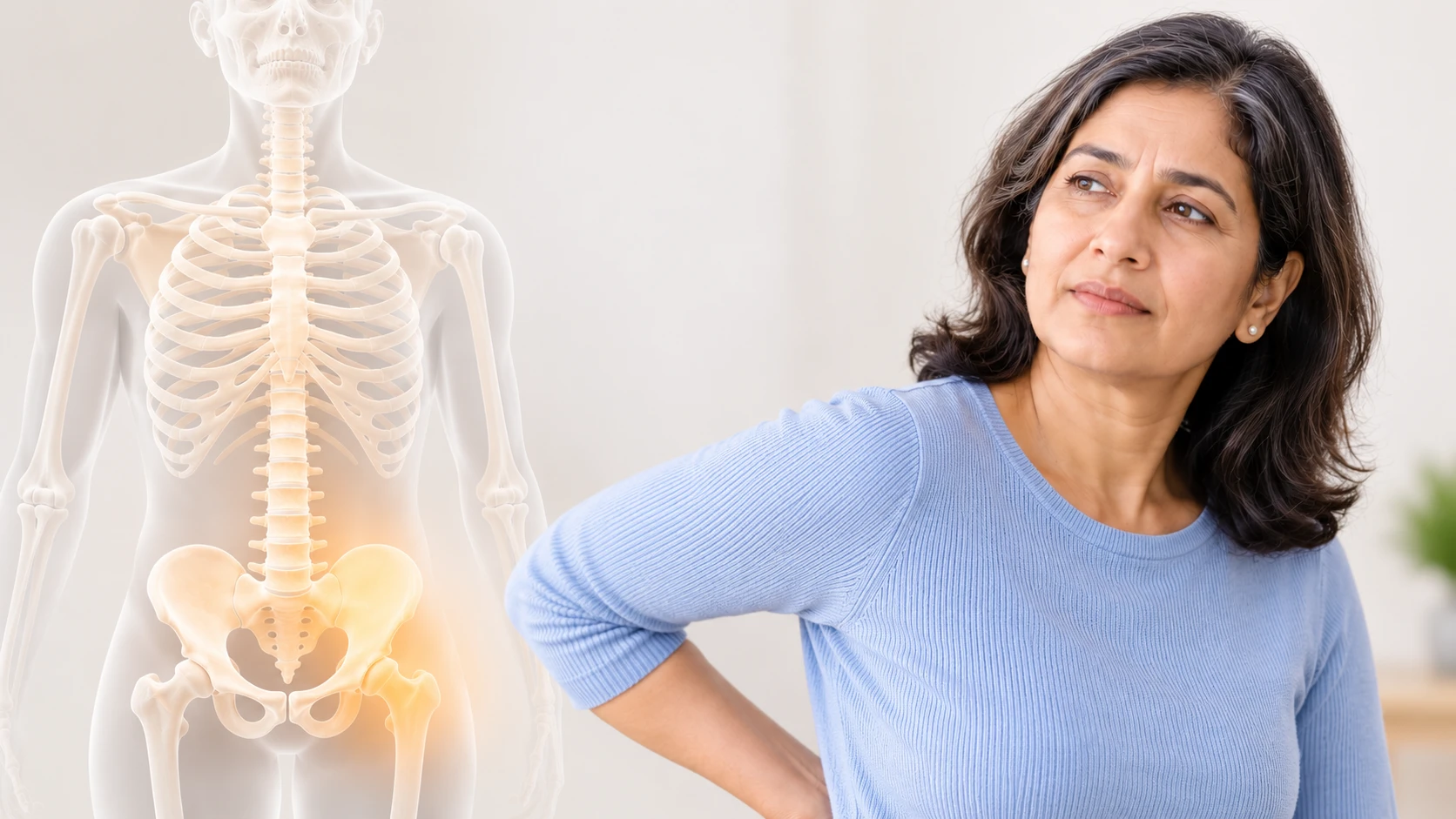
Bone health often receives attention only after a fracture or persistent bone-related concerns. However, changes in bone density can begin much earlier, without causing noticeable discomfort.
Osteopenia is one such condition. It refers to lower-than-normal bone mineral density (BMD), which can make bones weaker than expected. Although it is not as advanced as osteoporosis, it can increase the risk of fractures and may progress to osteoporosis in some individuals.
Understanding osteopenia symptoms, causes and risk factors can help identify changes in bone health early and determine when a bone density test may be needed.
What Is Osteopenia and How Is It Different from Osteoporosis?
Bones are constantly undergoing renewal, with old bone tissue being broken down and replaced by new tissue. When bone loss occurs faster than bone formation, bone mineral density gradually decreases.
Osteopenia develops when bone density is lower than normal but does not fall into the range classified as osteoporosis.
Can osteopenia cause bone pain?
Osteopenia usually does not cause pain. Back pain may occur if bone loss progresses to osteoporosis and results in a spinal fracture.
A bone density test measures this using a T-score:
Normal bone density: -1.0 or above
Osteopenia: Between -1.0 and -2.5
Osteoporosis: -2.5 or below
Osteopenia does not automatically progress to osteoporosis. The likelihood depends on age, bone density, medical history and other risk factors.
Does osteopenia always lead to osteoporosis?
No. Osteopenia does not always progress to osteoporosis. Lifestyle changes, monitoring and appropriate medical care can help manage bone health and reduce fracture risk.
Are Osteopenia and Bone Loss the Same Thing?
Osteopenia is a condition characterised by lower-than-normal bone mineral density, meaning the bones have lost some of their density and strength. Bone loss is the gradual process through which bone density decreases, while osteopenia describes a specific stage of this loss. It is not the same as osteoporosis, which involves more significant bone loss and a higher risk of fractures.
What Are the Common Osteopenia Symptoms and Early Signs of Bone Loss?
One of the challenges with osteopenia is that it usually has no noticeable symptoms. Bone density can decrease gradually without causing pain, stiffness or changes in mobility.
Unlike conditions affecting joints or muscles, osteopenia typically doesn't cause physical discomfort that helps identify it.
However, as bone loss progresses, some signs associated with fractures and advanced bone weakness may include:
Fractures after minor falls: A fracture following a relatively minor fall or impact may indicate reduced bone strength.
Loss of height: Compression fractures in the spine can gradually reduce height.
Changes in posture: Spinal fractures may contribute to a stooped or hunched posture.
Back pain: Vertebral compression fractures can cause sudden or persistent back pain.
These are not specific early symptoms of osteopenia. A person can have reduced bone density without experiencing any of these changes.
What Are the Main Causes of Osteopenia?
Several factors can contribute to declining bone density, including:
Age-related bone loss: Bone formation gradually slows with age, making it harder to replace bone tissue at the same rate it is lost.
Hormonal changes: Lower oestrogen levels after menopause can accelerate bone loss. Reduced testosterone levels can also affect bone health in men.
Inadequate calcium and vitamin D: Calcium supports bone structure, while vitamin D helps the body absorb calcium.
Physical inactivity: Limited weight-bearing and muscle-strengthening activity can contribute to reduced bone density.
Certain medications: Long-term use of corticosteroids, such as prednisolone, can increase bone loss.
Medical conditions such as thyroid disorders, coeliac disease and conditions affecting nutrient absorption may also contribute to osteopenia.
Who Is at a Higher Risk of Developing Osteopenia?
Although osteopenia can affect adults of different ages, certain factors increase the likelihood of developing low bone density.
These include:
Being over the age of 50
Menopause, particularly early menopause
A family history of osteoporosis or hip fractures
Low body weight or a smaller body frame
Smoking and excessive alcohol consumption
A diet consistently low in calcium and vitamin D
Limited physical activity
Long-term corticosteroid use
Medical conditions affecting hormones or nutrient absorption
Having one or more risk factors does not necessarily mean osteopenia is present. A healthcare professional can assess individual risk and recommend testing when appropriate.
How Is Osteopenia Diagnosed? When Is a DEXA Scan Recommended?
Since osteopenia rarely causes noticeable symptoms, a bone density test is the primary way to identify it.
A DEXA scan for osteopenia, also called a dual-energy X-ray absorptiometry (DXA) scan, measures bone mineral density, usually at the hip and spine. It is a non-invasive test that uses low-dose X-rays to assess bone density.
What Does a DEXA Scan Show?
A DEXA scan measures bone density, usually at the hip and spine, to check for osteopenia or osteoporosis. It uses low-dose X-rays and is quick and non-invasive.
Testing may be recommended for:
Women aged 65 and older
Men aged 70 and older
Postmenopausal women below 65 with additional risk factors
Men below 70 with risk factors for low bone density
Adults who have experienced a fracture after a minor fall or impact
People taking long-term corticosteroids or living with conditions that affect bone health
The appropriate timing depends on individual risk and medical history. A doctor may recommend testing earlier when there are specific concerns about bone loss.
How Can Osteopenia Be Managed?
Osteopenia management focuses on supporting bone health and reducing the risk of further bone loss.
Include calcium-rich foods: Milk, curd, paneer, ragi, sesame seeds and certain green leafy vegetables can help meet daily calcium requirements.
Maintain adequate vitamin D: Safe sunlight exposure and vitamin D-rich foods support calcium absorption. Supplements may be recommended when needed.
Stay physically active: Walking, resistance training and weight-bearing exercises help support bone strength.
Avoid smoking and limit alcohol: Both can negatively affect bone health.
Review medications and health conditions: Medical guidance can help identify factors contributing to bone loss.
Cannabinoid-based medicines are also in some cases used for their role in certain pain-related conditions. However, they require medical supervision.
Can osteopenia be reversed?
Bone density may improve in some people with appropriate nutrition, exercise and treatment of underlying causes. However, results vary depending on individual health and the extent of bone loss.
Not everyone with osteopenia requires medication. Treatment decisions depend on overall fracture risk, bone density results and other health factors.
Conclusion
Osteopenia can develop gradually without obvious symptoms, making bone health assessments important, particularly for people with risk factors. While a diagnosis does not mean osteoporosis is inevitable, it offers an opportunity to understand bone health and take appropriate steps to protect it.
Adequate nutrition, regular physical activity, addressing underlying medical conditions and timely bone density testing can all contribute to better long-term bone health. Medical guidance can help determine the right approach based on individual needs.
Also Watch:
Key Takeaways
- - Osteopenia involves lower-than-normal bone density and can increase the risk of developing osteoporosis.
- - Osteopenia rarely causes noticeable symptoms, making bone loss difficult to detect without testing.
- - Ageing, early menopause, family history and poor nutrition can increase the risk of osteopenia.
- - A DEXA scan measures bone mineral density and helps identify osteopenia before more advanced bone loss develops.
- - Adequate calcium and vitamin D, regular exercise and medical guidance can help maintain bone health and reduce further bone loss.