

Caregiver Burnout & Emotional Support in Palliative Care



Caring for a loved one can be one of the most meaningful roles a person takes on. Whether it's supporting an ageing parent, a spouse with a chronic illness, a child with special needs, or someone receiving palliative care, caregiving often comes from a place of love and responsibility. But when the demands become constant and overwhelming, many caregivers find themselves physically exhausted, emotionally drained and struggling to cope. This is known as caregiver burnout.
What Is Caregiver Burnout?
Caregiver Burnout is more than simply feeling tired after a difficult day. It is a state of emotional, mental and physical exhaustion that develops when caregiving responsibilities begin to outweigh a person's available resources, support and energy. Unfortunately, many caregivers do not recognise the signs until their own health and well-being have already been affected.
What are the earliest signs of caregiver burnout?
Persistent fatigue, irritability, sleep disturbances and feeling overwhelmed are often among the first warning signs.
What is the Hidden Emotional Burden of a Caregiver?
While much attention is given to the person receiving care, the emotional experiences of caregivers often go unnoticed. Many caregivers feel pressure to remain strong, positive and available at all times. Over time, this can create feelings of isolation and emotional fatigue.
Why do caregivers often feel isolated?
Caregiving responsibilities can leave little time for social activities, relationships and personal interests.
Common emotional challenges caregivers face include:
Persistent stress and anxiety
Feelings of guilt when taking time for themselves
Frustration, anger, or irritability
Sadness, grief and anticipatory loss
Loneliness and social withdrawal
Difficulty concentrating or making decisions
Many caregivers also experience "ambiguous grief" - the emotional pain of watching a loved one's health, independence, or personality gradually change while they are still physically present.
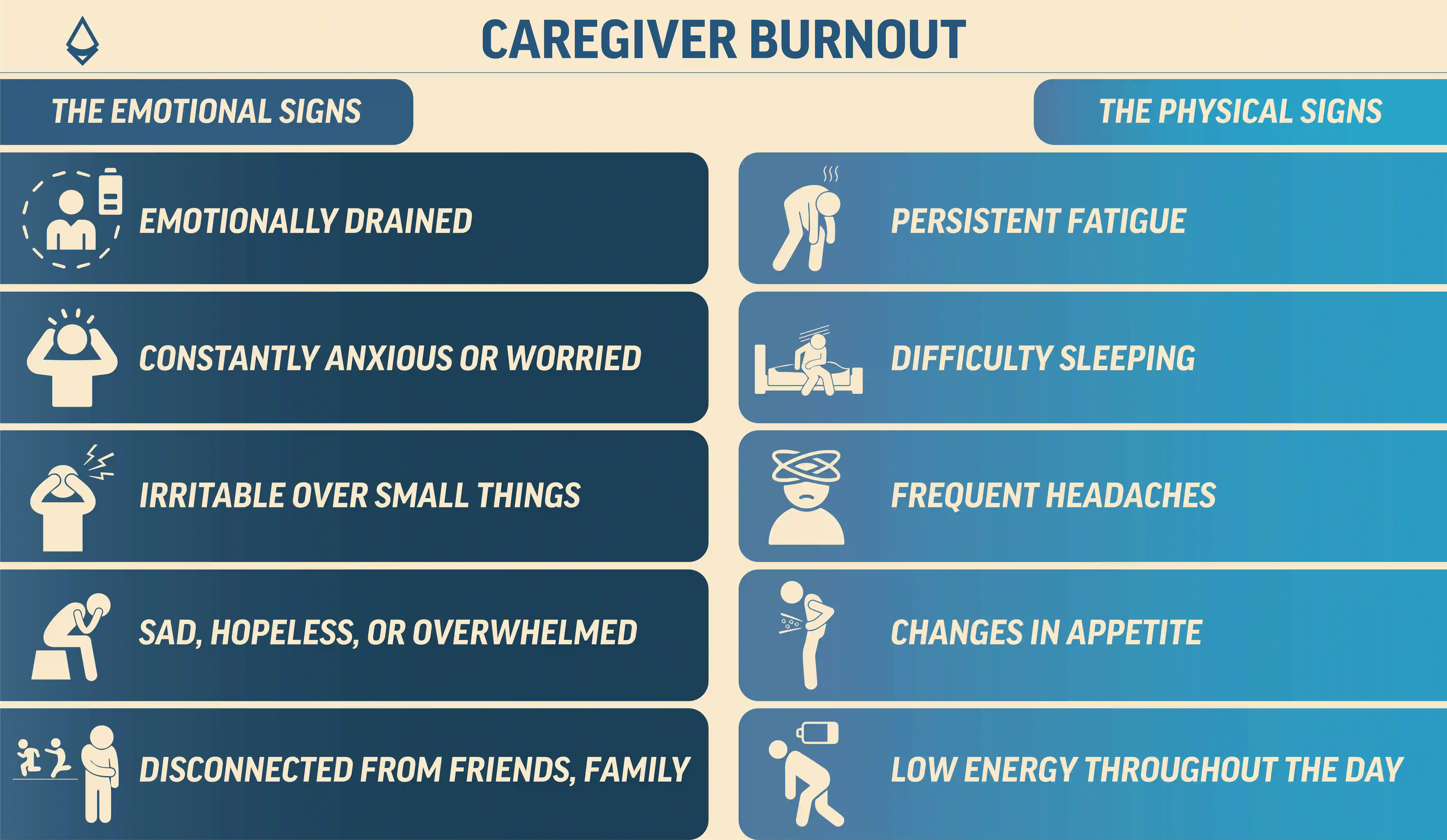
What Are The Signs That Caregiver Burnout May Be Developing?
Burnout often develops gradually, making it easy to overlook. Some warning signs include:
Constant fatigue, even after rest
Frequent headaches, body aches
Sleep disturbances
Loss of interest in activities once enjoyed
Feeling overwhelmed by everyday tasks
Increased emotional sensitivity or frequent crying
Changes in appetite or weight
Feeling hopeless, trapped, or emotionally numb
Ignoring these signs can increase the risk of anxiety, depression, weakened immunity and chronic health issues.
Why Emotional Support For a Caregiver is Important?
Many caregivers believe that asking for help is a sign of weakness or failure. In reality, emotional support is one of the most important protective factors against burnout.
Having someone to talk to can help caregivers process difficult emotions, reduce feelings of isolation and gain perspective during challenging situations. Emotional support may come from family members, friends, support groups, healthcare professionals, counsellors, or others who share similar caregiving experiences.
How can family and friends support a caregiver?
Offering practical help with daily tasks can significantly reduce a caregiver's stress and workload.
Research consistently shows that caregivers with stronger support networks report lower stress levels and better overall well-being. In some cases, cannabinoid-based medications are being explored as part of comprehensive care plans to help manage symptoms such as chronic pain, sleep disturbances and anxiety in patients. By improving symptom control, they may also help reduce some of the day-to-day caregiving burden experienced by families.
What Are Some Ways to Prevent and Manage Burnout?
While caregiving responsibilities may not disappear, there are ways to protect your emotional health and build resilience.
What is emotional resilience?
Emotional resilience is the ability to adapt to stress, recover from challenges and maintain psychological well-being.
Prioritise Small Moments of Self-Care
Self-care does not have to involve lengthy breaks or expensive wellness programs. Even small daily habits can make a difference.
Try to:
Take short walks outdoors
Practice deep breathing or mindfulness exercises
Maintain regular meals and hydration
Protect your sleep whenever possible
Spend a few minutes each day doing something you enjoy
Accept Help When It Is Offered
Friends and family often want to help but may not know how. Instead of declining assistance, consider delegating specific tasks such as grocery shopping, transportation, meal preparation, or household chores.
Stay Connected
Caregiving can unintentionally shrink a person's social world. Regular conversations with friends, support groups, or community members can provide emotional relief and remind caregivers that they are not alone.
Set Realistic Expectations
No caregiver can do everything perfectly. Accepting limitations and focusing on what can realistically be achieved helps reduce unnecessary guilt and self-criticism.
Seek Professional Support
If feelings of anxiety, depression, hopelessness, or chronic stress persist, speaking with a mental health professional can be incredibly beneficial. Professional guidance can provide coping tools, emotional validation and practical strategies for managing stress.
Can caregiver burnout happen even after only a few months of caregiving?
Yes, burnout can develop quickly when caregiving demands are intense and support is limited.
Caring for the Caregiver
One of the most overlooked truths about caregiving is that the well-being of the caregiver directly affects the quality of care they can provide. A caregiver who is emotionally supported, rested and healthy is better equipped to navigate challenges and provide compassionate care over the long term.
Caregiving is not a journey that should be carried alone. Seeking support, setting boundaries and prioritising your own well-being are not selfish acts - they are essential components of sustainable caregiving.
Key Takeaways
- - Caregiver burnout is a state of physical, emotional and mental exhaustion caused by prolonged caregiving stress.
- - Early signs include chronic fatigue, irritability, sleep problems and feelings of overwhelm.
- - Emotional support from family, friends, support groups, or professionals can significantly reduce burnout risk.
- - Small, consistent self-care practices are essential for maintaining long-term caregiving capacity.
- - Supporting caregivers is just as important as supporting the person receiving care, as caregiver well-being directly influences care quality.